Five Signs It’s Time to Buy CMMS Software

Have you reached that point where you know your maintenance department needs to do something different? Every maintenance manager does sooner or later. So, how do you know when to update CMMS software programs? To help, we’ve collected the top five signs it’s time to buy CMMS maintenance software. Whether you’re experiencing just one, or (like most of us) more than one, CMMS maintenance software is the answer. Your Needs Have Changed Many new CMMS maintenance customers start here. Whether they’ve used paper, a home-grown database, or Excel spreadsheets, it’s just not working. They need more. Typically work order management and preventive maintenance scheduling are the two biggest areas where your needs change. But it could be a combination of anything—vendor management, service request tracking, reporting capability, inventory control, software integration, etc. You need the right tool for the right job. And in today’s maintenance environment, the right tool is CMMS maintenance software. You Need More Data Maintenance used to fly under the radar, but not anymore. Expectations are changing, and now you’re getting requests for detailed information about your maintenance operations. To answer those questions, you need data—and you need it quickly. Pulling together reports from spreadsheets or (ugh) paperwork orders is time consuming, tedious, and inaccurate. With CMMS software, you’re collecting maintenance data with every work order. So, when it’s time to answer those questions about asset management or repair/replace decisions, you have what you need at your fingertips. You’re Ready to Go Mobile Whether it’s your younger employees who live with their devices or the availability of better Internet access on the road, it’s time to think about mobile CMMS software. Mobile technology allows your team to access information and record data on the spot—where maintenance happens, instead of in a plant or office. That means they have quick and easy access to critical information, making it easier to get the job done and capture historical data. You Need to Integrate with Other Software You need more maintenance data, but so do other departments. Wasting time re-entering and maintaining information in multiple systems is not only inefficient, it’s prone to problems and errors. Integrating your CMMS software and your financial application or accounting system is easier than ever. Data sharing technology (like MPulse DataLink) simplifies the process of sharing information, so everyone gets the data they need quickly and easily. You’re Growing What worked for a maintenance team of two or three techs doesn’t work as that organization grows to 5, 10, 20 or more maintenance employees. Communication is harder, and the old systems just aren’t efficient. Plus, as your organization grows, you’re likely maintaining larger numbers of assets with the same—or even fewer—resources. Older systems aren’t always scalable to adapt to the increase of the operation. But modern CMMS software can. Scalable CMMS software grows with you, so you can adapt quickly. What’s motivating you to buy CMMS software? Leave a comment or contact us.
How to Create Paperless Maintenance Without Errors
Maintenance teams have relied on paper work orders for decades. But times are changing, so you should learn the benefits of using a web based work order system. It’s already happened in other departments as more organizations have adopted software designed for financial and sales tasks. There’s less paperwork around the office because it’s stored—and shared—digitally. Now, the benefits of going paperless are becoming more common in the maintenance world, thanks to CMMS software and its ability to make digital storage easy and more convenient. It’s safe to say paperless maintenance without errors is the future of work orders. New Work Flows Going paperless wasn’t the main goal of Nancy’s maintenance department. But after integrating MPulse Software, Inc two years ago, she realized it was possible… and she was well on her way. Nancy’s CMMS software kept track of all the things that used to be stored on paper somewhere, like a filing cabinet or a bookshelf. This information included work orders, repair history, user manuals, reports, vendor documents, and other key data. “Our service requests are all submitted electronically now via MPulse,” she explained. “The approval process is done in the software. Our techs keep notes and links to manuals and repair guides in MPulse. That’s just the beginning.” Nancy’s team is also working towards mobile integration, something that’s within reality for other maintenance teams, too. “We’re getting closer,” she explained. “I think we’ll be fully mobile within the next year. It’s so much easier for our techs to access work order information, repair history, vendor details, and other information while they’re in the field. It’s been a natural progression.” New Technology One thing that has made this transition possible is the lower costs of digital storage. “We host our MPulse Software, Inc in the cloud,” Nancy said. “That makes it possible for our techs to access it in the field. Plus, our backups and system updates are automated, thanks to MPulse’s Application Hosting Services. I don’t have to worry about it.” Nancy see the benefits of moving towards a paperless maintenance department, including… Reduced need for storage space Less chance of lost or missing documents Lower printing and admin costs Better sharing capability Quicker access to important information Less time spent searching for documents “It was a very natural process after we implement MPulse,” Nancy explained. “We were able to gradually make changes in our workflows because it was more efficient. And a lot of that increased productivity was the result of storing data in one place—our CMMS software.” Are you thinking of going paperless, or moving in that direction? Have you already done it? Leave a comment below or contact us.
How to Build a Solid Working Relationship with Your Purchasing Department
Building strong relationships with the purchasing department is essential for streamlining procurement processes and improving collaboration across teams. Most maintenance managers have their purchasing department on speed dial. Your maintenance crew is constantly ordering parts and supplies—not to mention working on large asset acquisitions. This close contact means these two departments can make each other’s lives easier… or much more complicated. So how can you help your team with relationship building with purchasing department? CMMS software can help you—making maintenance teams and companies more efficient while also following purchasing rules. Let’s see how. First, let’s talk about what each department needs—and wants—from the other. Follow the Rules Purchasing has rules. It’s your purchasing team’s job to make sure those rules are followed. The maintenance team needs to understand those rules, so they can follow them correctly. Let’s look at a typical scenario, courtesy of MPulse customer Anne. Anne’s organization follows the following purchasing rules… Purchases under $200 can be made with petty cash or submitted for employee reimbursement. Purchases over $200 require a purchase order or a company credit card via an authorized employee. Major asset repairs via vendors or purchases over $10,000 require an RFP or competitive solicitation process, unless a cooperative contract has already been established. If a contract is established, the terms of that contract should be followed. Knowing—and following—these rules makes your purchasing folks happier because it makes their job easier. And it makes your maintenance team’s job easier too. Because any delay in the purchasing process means there’s a delay in something getting repaired. And let’s face it—when the pressure’s on, the maintenance department feels the heat. Let Your CMMS Software Help with Relationship Building with Purchasing Department Anne uses her MPulse Software, Inc to make her maintenance team more efficient while also following the rules. CMMS software enables Anne’s team to… Identify supplies and parts that need to be restocked Issue purchase requests Identify parts that have long lead times and reorder as necessary Create custom reports Customize work orders to include purchasing department codes Using MPulse DataLink, Anne’s company integrated MPulse with the purchasing department’s financial software. This extra investment automates the exchange of important information, making both departments more efficient. MPulse DataLink enables Anne’s maintenance department to share data with the purchasing department on… Inventory items (parts, supply items, and/or tools) Purchase requisitioning Purchase receiving Vendor management With MPulse DataLink, both software applications contain the most current and accurate data, making it easier for everyone in CMMS companies to do their jobs. Maintenance and finance are mission-critical business functions for organizations of all sizes, from small business to enterprise. Have questions about how CMMS software can help your maintenance team? Contact us or get a free trial of MPulse Software.
What You Need to Know about Total Productive Maintenance
If you haven’t heard about total productive maintenance (TPM maintenance), the definition probably sounds familiar… “A system of maintaining and improving the integrity of production and quality systems through the machines, equipment, processes, and employees that add business value to an organization.” The long-term goals of TPM are to reduce breakdowns, slowdowns, and defects while improving safety. It’s not a coincidence that those are also the benefits of CMMS software. So how does TPM work? The Eight Pillars of Total Productive Maintenance TPM focuses on proactive and preventative techniques for improving equipment reliability. The eight pillars of TPM are… Focused improvement Autonomous maintenance Planned maintenance Quality maintenance Cost deployment Early equipment management Training and education Safety, health, environment The overall goal of TPM maintenance is, of course, to increase productivity. Sound familiar? That’s the biggest benefit of CMMS software too. CMMS Software and the Industrial Internet of Things (IIoT) Facilitate TPM If you’ve been using CMMS software, you’re likely already on the road to TPM (whether you call it that or not). CMMS software facilitates TPM. One of the biggest pushes in this direction is the Industrial Internet of Things (IIoT). IIoT devices gather information directly from multiple sources—including computers, vehicles, smartphones, appliances, building automation systems, and production equipment. With the combination of the IIoT and CMMS software, maintenance teams can monitor multiple meters (e.g., revolutions, psi, hours) on a single asset; specify multiple conditions, triggers, and responses; and automate work order generation based on specified triggers. The benefits include faster response times with automated alerts, reduced staffing and overtime, fewer errors due to manual data entry, time-series charting to spot trends, and the ability to grow with changing technologies. All of those benefits fit nicely in the TPM maintenance tenets above. It’s likely your team is already working on similar goals, if not all of them. That’s the biggest reason so many maintenance teams implement CMMS software in the first place. Plus, once you focus on one or two of these goals—like planned maintenance (aka preventive maintenance or predictive maintenance)—the others come easier. TPM may sound familiar because it shares elements of other management philosophies like total productive manufacturing or lean manufacturing. It’s also closely related to one of our favorites around here—data-driven decision making. You’ve likely already experienced TPM in one way or another because modern maintenance organizations are employing the same philosophies in their maintenance strategies. What’s your experience with TPM? How is your organization changing the way it does maintenance? Leave a comment or contact us. We’re all in this together.
Avoid Risky MRO Processes with CMMS
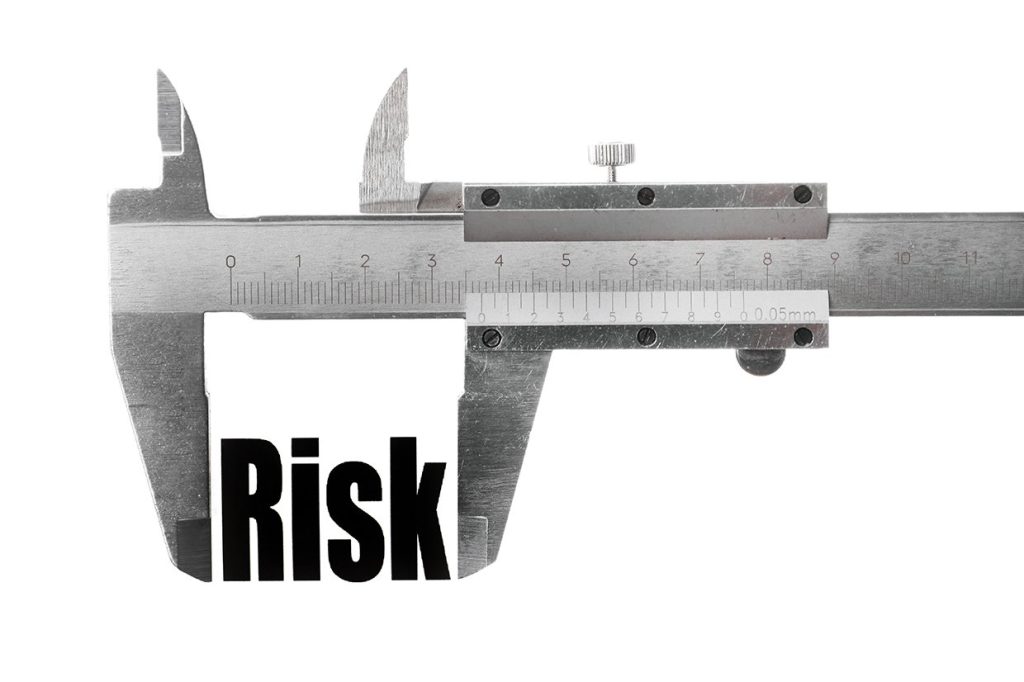
Every business decision involves risks. And while risk is part of change, in today’s global economy, not taking risks is… well, risky. Many companies may not even be aware of how risky MRO maintenance repair and operations processes can be. That’s Han’s story. A brand-new MPulse customer, Han convinced his management team that not using software for work order management or CMMS software was simply a risk they couldn’t afford to take. “Managers want to reduce risk,” Han explained. “And they see risk when you want to change things. But there’s risk in not doing anything as well. When I showed them how we could reduce risk with CMMS software, they could see what was really at stake.” What’s at Risk? Just a few months ago, Han’s company used Excel spreadsheets and an Outlook calendar to manage maintenance tasks. “It wasn’t a reliable system,” he said. “And it put our operations at risk.” These risks included… More breakdowns because of inconsistent or nonexistent preventive maintenance scheduling processes Miscommunication and missing information among team members and internal departments Supply interruptions or delays for parts and inventory Greater potential for losses from theft or vandalism Lack of documentation for regulatory inspections and audits Inability to foresee problems and find ways to prevent them Lost opportunity to find cost savings and other financial benefits to improve productivity and efficiency Increased chance of injuries or accidents for employees and customers (not to mention the related legal issues) How Can CMMS Software Reduce Risk? Here’s a simple example. Han’s company owns heavy construction equipment. Some of these assets are used a lot. Some, not so much. And some assets can make or break a project—because if the mobile crane is down, nothing else can take its place. That means expensive delays happen. CMMS software, including software for work order management, helps maintenance teams prioritize high-use assets so the chance of failure is reduced. And that reduces the risk of failure that affects operations. With their MPulse Software, Han and his managers now have information that reduces risk because they can find trends and see their operations more clearly. By streamlining MRO maintenance repair and operations, MPulse Software helps companies eliminate inefficiencies, improve workflows, and strengthen preventive maintenance programs, all while reducing risks. When you consider what you risk by not doing anything, suddenly the risk of investing in new CMMS software is put into perspective. Ready to see how CMMS software, including software for work order management, can optimize your MRO maintenance repair and operations? Contact us.
Maintenance Strategy: Invest in Your People

During my years in the maintenance management field, I’ve learn a lot from watching the management strategies of our MPulse customers. Nick is one of those customers. He has a knack for finding—and keeping—good maintenance employees. Recently I asked him about his secret. “It’s hard to find good people these days,” Nick said. “So when you do, you want to make sure you don’t give them a reason to leave you.” Nick’s strategy for keeping good maintenance techs once he finds them? “My maintenance strategy? Invest in your people” he said. Invest in Maintenance Employees, Invest in Your Bottom Line Nick admits he doesn’t hire based on skill level. Instead, he looks for aptitude and a willingness to learn. “You can teach skills,” he said. “But it’s hard to work with someone who’s not interested in learning.” Once he hires the right people, however, his job has just begun. “Over the years, I’ve learned employees don’t leave jobs, they leave managers,” he said. “It’s my job to help them understand the value of their contributions. I share our big picture goals. I ask for their opinions and their concerns. Cultivating a connection to our company and its mission creates a sense of pride that makes it much more than a job.” Position Your Employees for Success with the Right Tools Part of investing in your maintenance team is making sure they have the right tools to do their jobs. And CMMS software is the best tool you’ve got to keep your maintenance team productive and efficient. Over the years, Nick has watched as CMMS software shifted from a “nice to have” to a “must have” in their maintenance department. “Our younger employees come in assuming this type of technology is part of the job,” he said. “We’ve moved away from technology resistance in the older generations to the expectation that we’ll keep our technology updated.” Nick also believes training is a tool. When he sends team members to off-site trainings, he has them share their experience with other team members, like an in-house apprentice program. “It takes time,” Nick said. “But it pays big dividends in the long run.” Nick is very aware of his team’s ability to affect the financial performance of his organization. He sees professional development as an investment in the future of the entire organization. “Our organization’s success depends on our people,” he said. “Investing in our employees is a strategy to improve everyone’s future.” What’s your strategy for finding and keeping good maintenance employees? Leave a comment below or contact me.
Prioritize Maintenance Tasks & Get Stuff Done

In this series, I’ve been sharing my tips for prioritizing maintenance tasks so you can get stuff done! Once, you probably kept a written list on your desk, or maybe a spreadsheet on your computer. I sure did. But those old methods take up a lot of time and certainly don’t help you or your team work efficiently, much less keep everyone on the same page. And that’s where CMMS software can help. What Do You Have to Gain? Let me use a very simple example from my own experience. I used to keep detailed maintenance schedules written down on paper. It was a complicated, but thorough system. But it took a lot of time to keep it updated. It took even more time to share it with my colleagues who needed to know what was going on. CMMS software freed up my time and my mind. Reminders popped up when I needed them. Continuous schedules were easy to create. And if I had questions, my maintenance data had answers—answers for questions like… How much am I spending to repair that asset? Is it more cost effective to repair or replace it? Is my team behind on scheduled tasks? Should I hire another staff member? Where is the money going? Best of all, my CMMS software created a repository of maintenance information. That means I can ask different questions in the future—ones I didn’t think about earlier. Again, getting stuff done! You Don’t Know What You Don’t Know Maintenance reporting software makes asset information, historical data, vendor information, media files, and other details easily accessible by the people who need it. (Even better, if you’ve made the move to mobile, your team can easily find this information while they’re in the field or on the shop floor.) With good data to work from, my crew could make good decisions. And I know it improved my company’s ability to compete. Maintenance software helps you stay on top of your growing to do list. Because the less time you spend making lists, the more time you can dedicate to more important things, like getting those tasks done. What’s your experience using CMMS software to prioritize maintenance tasks? Any suggestions for other maintenance managers? Leave a comment or contact us.
Maintenance Management: What You Don’t Know Will Hurt You

Here at MPulse, we often talk about how maintenance management software helps with data-driven management and how CMMS data reveals where your operations are working well… and where they aren’t. But sometimes we don’t acknowledge that doing nothing is also a choice… and it has consequences. Because in the maintenance field, what you don’t know will hurt you. It’s likely you’ve experienced this issue too. The folks in my business group work in different industries—manufacturing, technology, retail, utility, government, and more. Almost everyone had a story about a time where what they didn’t know became a big problem. Ignorance is Not Bliss A few of the stories I heard… Ignoring inventory management resulted in a problem with an employee who took company parts for personal use Not tracking key and lock use caused security issues that put people in danger Overlooking rising labor costs put the maintenance department in the red and the financial viability of the organization in jeopardy Not following a preventive maintenance plan meant a vehicle that should have lasted 10 years had to be replaced in less than five Not upgrading software caused a shutdown that cost three days of productivity for 50 workers Sloppy documentation resulted in a OSHA investigation “We used to manage based on our perceptions of what was working and what needed to change,” said Jacob, a member of my group who works for a local utility. “Everyone did. Moving towards data-driven management wasn’t simple. But when we got there, we saw how much time and money we had wasted by concentrating on the wrong things.” The Value of Maintenance Data In all the cases above, the decision not to do something (track inventory, monitor costs, schedule preventive maintenance, etc.) ended up costing the organization time and money. But they learned from their mistakes. Jacob shared his company’s four-part process for data-driven management… Measure Analyze Plan Improve Each part builds on the previous one. So, Jacob’s team takes measurements (via work orders), and then analyzes that data to understand their performance (via reports). That understanding helps them plan, and hopefully improve. That’s what maintenance software does in a nutshell. When you measure the productivity of your operations, you get a deeper understanding of your maintenance processes and how to improve them where necessary. Contact us for more information.
Train New Staff Quickly

A long-time MPulse customer, Ken, stopped by the office this week. Ken is the maintenance manager for a government agency, and he’s got an increasingly common problem. Ken needs a solution to train new staff quickly and avoid disruptions in production. “Steve, a third of our maintenance staff have retired in the past two years,” he said. “Plus, we’ve added a new parts person and project administrator. Training our new staff quickly on our CMMS has been a real challenge.”I’ve heard similar stories before, so I wasn’t surprised when Ken continued, “We’re already short staffed, and taking key personnel away from their normal work to provide system training isn’t very efficient. I need to get these new folks up to speed faster. I’m also concerned there are gaps in our training as people try to multitask.” Ken’s story is becoming more common in the maintenance profession as our aging workforce retires. It’s always tough to lose the knowledge and experience of long-time personnel. It’s also an opportunity. Ken has hired some talented people who are ready to go. But he needs to get his new team trained quickly to keep the momentum he’s achieved with his MPulse CMMS software. Ken knows the facility maintenance management system is only as powerful as the person using it. When Is It Time to Invest in More In-Depth Training? Ken’s agency invested in onsite training when his MPulse Software, Inc was first implemented several years ago. “It worked well and provided a great foundation for our success,” he said. “Worth every penny.” But with more than a third of his team in transition, Ken needs to make sure his new employees have the same chance to pick up the skills they need to keep his agency on the right path. However, like most public entities, Ken has budget restrictions. Until now, he’s relied on hands-on training with his internal MPulse users. It’s pretty cost effective on the front end as it reduces capital outlay. However, the operational cost of reduced efficiency during the training period is significant. With this many new folks, Ken needs to invest in formal training to get his new team working at the same level of production. I asked Ken about his goals for training. He listed off six things he wanted his employees to learn… Benefits of CMMS software Software features and capabilities New skills New methods for old skills Safety documentation Regulatory compliance record keeping Pick the Right Training Option for Your Team Ken has several expert training options within his budget. Recorded video training is inexpensive and easy for employees who have complicated or conflicting schedules. Instructor-led webinars offer a combination of online and classroom training that provides a chance to customize the content without requiring travel. Instructor-led classroom training works well when presenting a lot of information to groups of employees in an environment that is free from other distractions. Onsite training provides personal, customized face-to-face training in your work environment. After going through his options, Ken decided on classroom training. “Everyone will get the same information at the same time,” he said. “Plus our shop is busy. Fewer distractions will help the team concentrate.” A successful maintenance management program requires more than just great software. You need well-trained people who know how to use it, and you need a solution set up right to work with your company’s asset and business processes. Ken found a good solution that works for his organization. But he’s not done yet. I’ll continue with Ken’s story next time. What’s your experience with training new employees? What’s worked? What hasn’t? Leave a comment or contact us.
Customize Your Maintenance Software

The ability to customize your maintenance software ensures that it aligns perfectly with your unique operational needs, enhancing efficiency and flexibility in managing maintenance tasks. Customization means different things to different people. Here at MPulse, we offer an advanced customization feature so you can modify your CMMS software in a way that matches your organization’s needs. Typically, our customers are interested in customization because they want to change or add layouts, fields, nested fields, and custom prompts. So, we designed our maintenance software to make these types of changes on the fly with just a few clicks. The Right Information Where You Want It The advanced customization feature of MPulse was a big plus for Amanda. When her state government organization first implemented CMMS software, she needed to modify certain things, such as field names and the work order layout, to make sure the techs could find pertinent information right where they thought it should be. “It sounds like a minor detail,” Amanda explained. “But those little things made a big difference to our users. It also made the implementation process easier because our new CMMS work orders looked very similar to our old paper work orders, so the technicians had an easier transition.” Customize Your Maintenance Software When Circumstances Change It’s very common for organizations to use special codes to track internal data, so the MPulse advanced customization feature includes the ability to easily create new tabs and fields. It’s a feature that comes in handy long after CMMS implementation. Even today, long after their first maintenance software purchase, Amanda continues to tweak her MPulse database—adding information as necessary. “We often get requests to track different data from upper administrators,” she explained. “We’ve added fields for internal accounting codes, warranty information, employee time, and more. It helps us stay flexible.” That flexibility has helped Amanda’s organization during several big changes. “We’ve had a lot of changes in management, and different people want different information,” she said. “The ability to customize our MPulse CMMS software meant these types of changes were a lot easier for everyone.” Faster Implementation and More Accurate Data The ability to customize your maintenance software when circumstances change also makes implementation faster with less resistance from users. “Our maintenance team is the key to collecting CMMS data, so it’s important they record accurate information,” Amanda said. “If your data isn’t accurate, neither are your reports. And in our organization, accuracy is a part of our greater goal—to spend taxpayer money wisely.” Every organization has its own unique processes and requirements, which is why advanced customization is key to getting the most out of your maintenance management software. With MPulse CMMS software, you can tailor features to fit your specific workflows, making maintenance operations more efficient and aligned with your business needs. Whether it’s adjusting dashboards, automating reports, or configuring asset tracking, the advanced customization options help you streamline tasks and improve productivity. Want to see how MPulse can be customized for your organization? Contact us today to learn more.