Oil and Gas Maintenance Software That Works Where the Assets Are
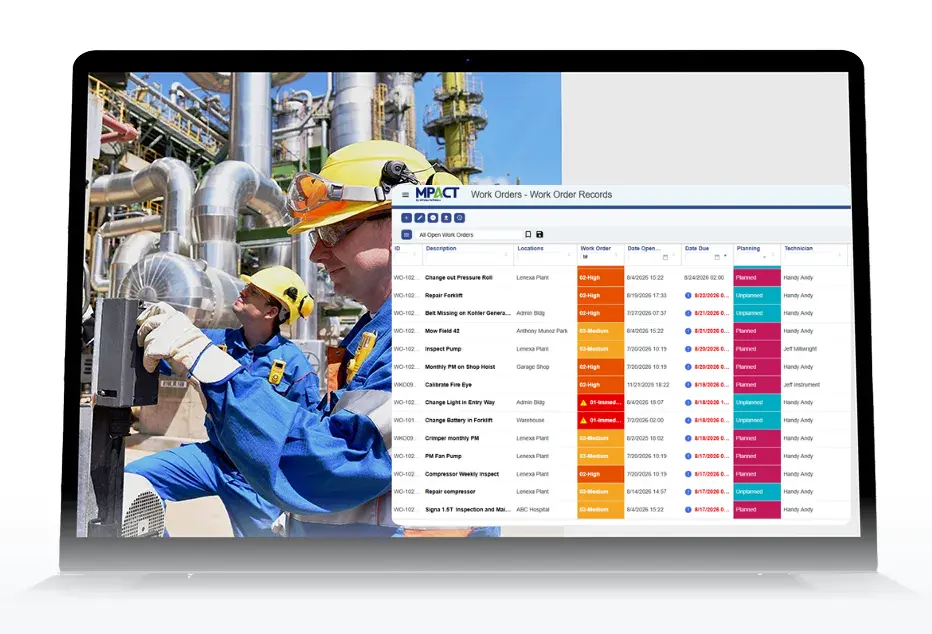
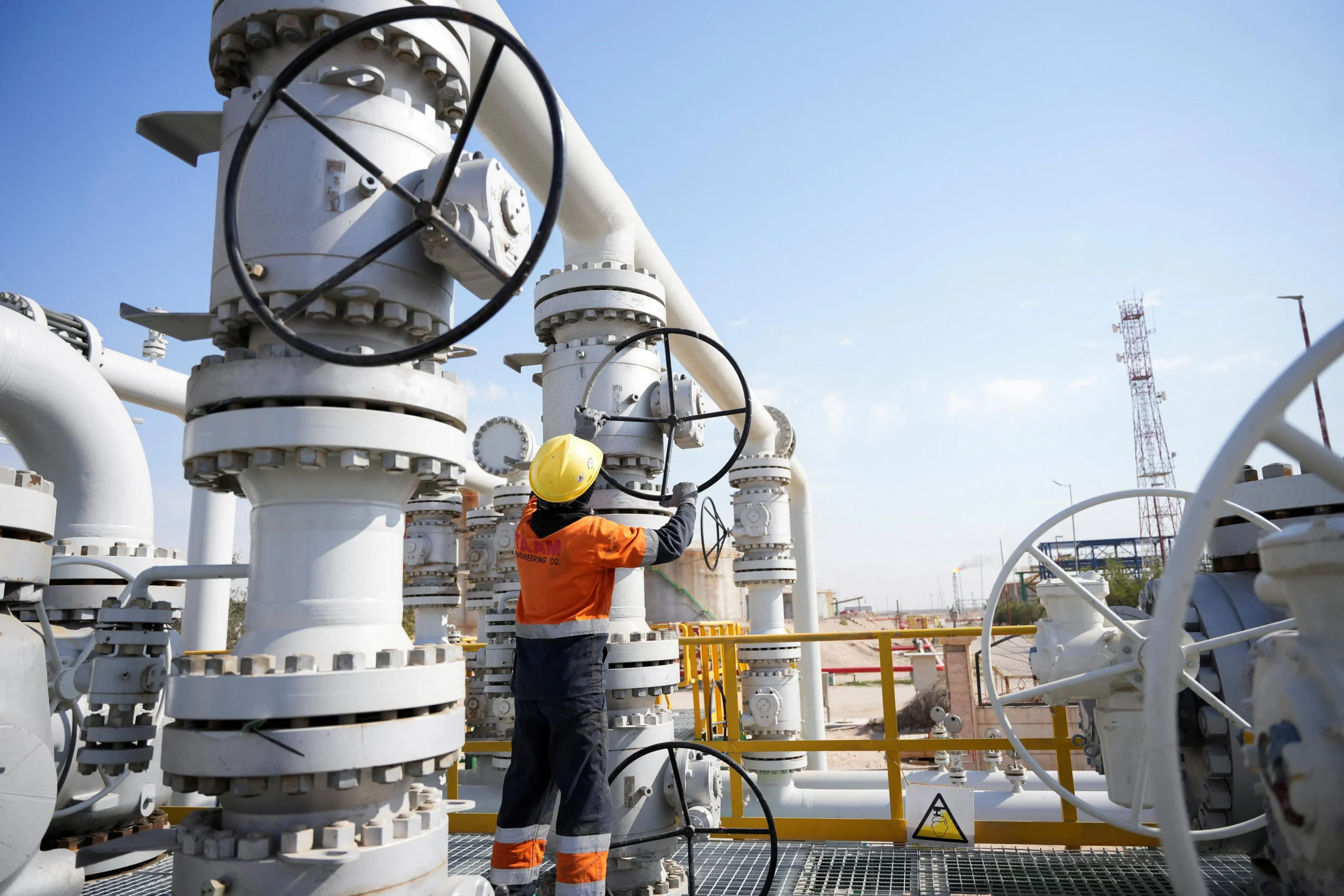
Oil and gas assets live where connectivity does not: well sites, pipelines, compressor stations, and processing facilities hours from the office. MPACT CMMS by MPulse Software runs maintenance there anyway, with an offline technician app for the field and audit-grade records for everyone who will eventually ask.
Oil and gas maintenance carries three burdens at once: equipment that runs continuously and fails expensively, sites the maintenance system has to reach without a signal, and a regulatory environment where the inspection record matters as much as the inspection. A CMMS that needs a connection or forgives thin documentation fails this industry twice.
Oil and Gas Asset Management, from Wellhead to Refinery
Effective oil and gas asset management starts with a registry that matches the operation: drilling rigs, wellheads, pipelines, compressors, pumps, separators, tanks, and processing equipment, each with its own record, hierarchy, and criticality. MPACT tracks every asset’s documents, meters, downtime, and complete work history, whether it sits in a refinery or forty miles up a lease road.
That registry is what the rest of maintenance runs on. Criticality settings keep safety-critical equipment first in every queue. MTTF and MTTR calculate from real work records. And when a six-figure compressor reaches the repair-or-replace question, the answer comes from its own cost history, not a debate.
Built for the Field
Your Source for CMMS Knowledge & Industry Expertise
Offline work orders at the well site
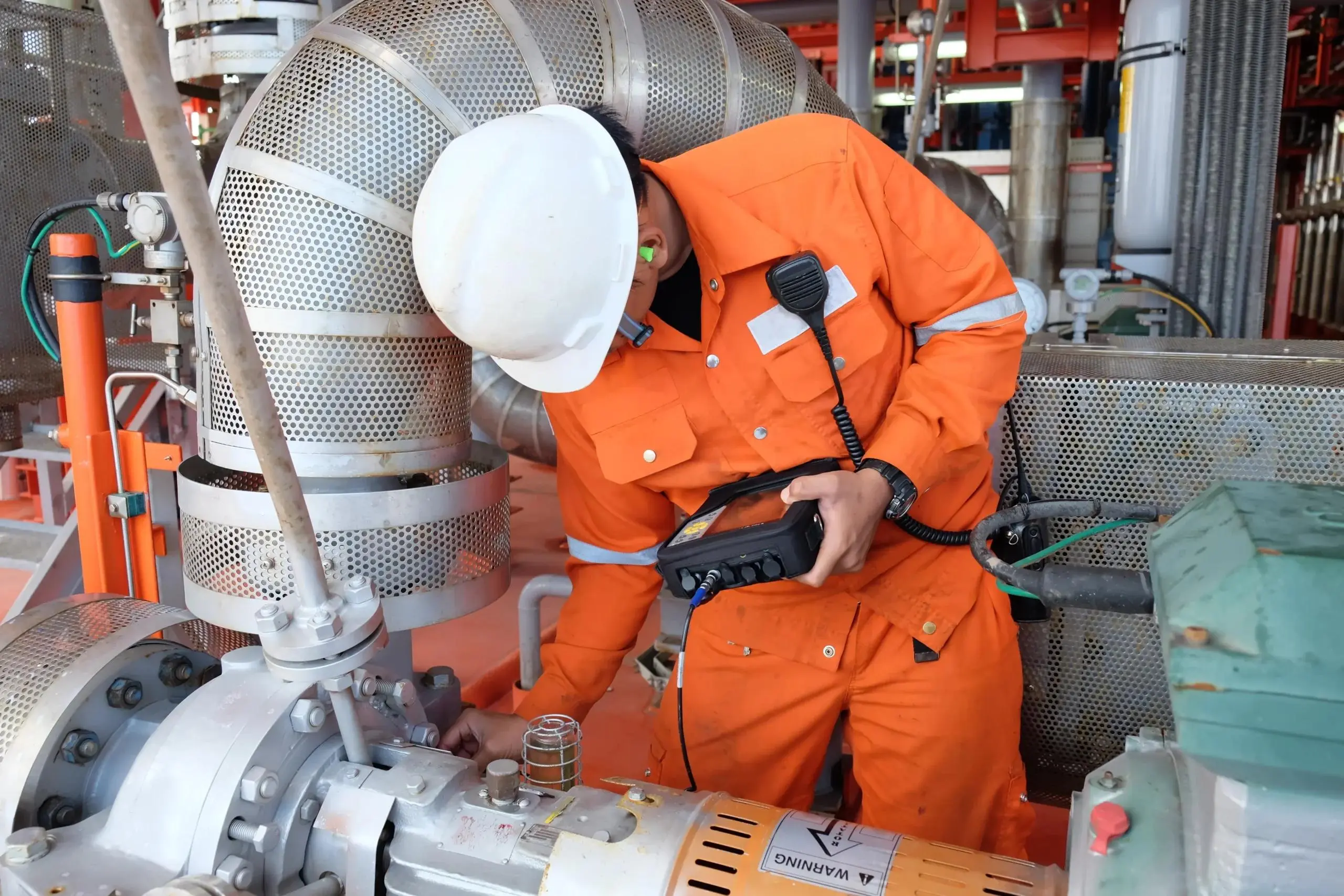
The offline technician mobile app (available as an add-on) completes work orders, logs readings, and captures photos without a connection, syncing when the truck gets back in range. Oilfield maintenance produces the same complete records as work in the shop, because the record quality does not depend on the coverage map.
Meter-based maintenance on run hours and readings
Run hours, pressures, temperatures, and cycles drive maintenance schedules. Thresholds on those meters generate work orders and alerts the moment values cross them, which is how rotating equipment gets serviced on its own condition instead of the calendar’s guess.
Pipeline and facility inspection programs
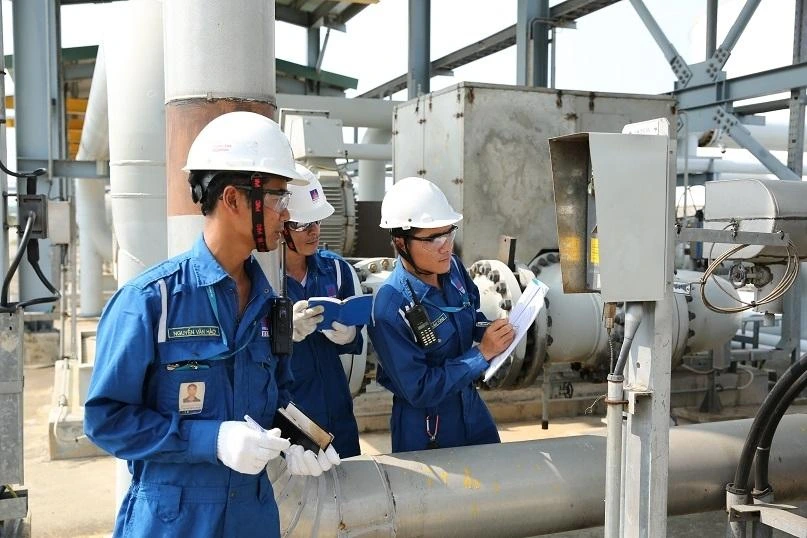
Recurring inspection schedules cover pipeline runs, tank farms, and facility equipment on the cycles your integrity program requires, with escalations when anything goes overdue. Required fields make inspection documentation a condition of closeout, not a favor.
Parts across yards and sites
Multi-location inventory with transfers keeps critical spares positioned near the assets that need them, and part-to-asset tracking attributes every component to the equipment that consumed it.
From Preventive to Predictive, Without Skipping Steps
Predictive maintenance gets the headlines in oil and gas, and the strategy is sound: use condition data to catch failures before they happen. The unglamorous truth is that prediction is built on a foundation, and the foundation is what most operations are missing: reliable preventive schedules, meters capturing real readings, and thresholds that trigger work.
MPACT builds that foundation. Time and meter-based preventive maintenance runs the recurring work, conditional meters watch the values that precede failure, and sensor and machine-data integrations (available as Enterprise Add-Ons) feed readings in automatically. Operations that mature through those stages arrive at condition-based maintenance with the data history that predictive approaches actually require.
The Record Is the Compliance
Inspection programs, integrity management, and incident reviews all reduce to the same question: show the records. Required fields make documentation a closeout condition, histories keep every inspection and repair on the asset permanently, and exports produce what the auditor or regulator asks for in the format they ask for it.
Frequently Asked Questions
Does MPACT work without connectivity at remote sites?
Yes. The offline technician app (an add-on) runs disconnected and syncs on reconnection, so remote oilfield work produces the same complete records as work in the shop.
Can MPACT manage pipelines and fixed facilities together?
Yes. Pipelines, wellheads, compressor stations, and processing facilities are all assets in one registry, each with its own inspection schedules, meters, and history, organized by site and system.
Does MPACT support predictive maintenance for oil and gas?
MPACT provides the foundation predictive maintenance is built on: meter and condition-based triggers, threshold alerts, and sensor integrations that feed equipment data in automatically. Teams mature from preventive to condition-based maintenance on that data, which is the prerequisite for any predictive program.
How does MPACT support regulatory inspections?
Recurring inspection schedules that cannot slip, required documentation at closeout, permanent per-asset histories with attachments, and reporting that exports to PDF, XLS, or CSV on request.
Bring the System to the Site
Bring your most remote site’s asset list to a demo and see the offline workflow end to end.