Stay on Top of Building Maintenance with Mobile CMMS

building maintenance with mobile cmms

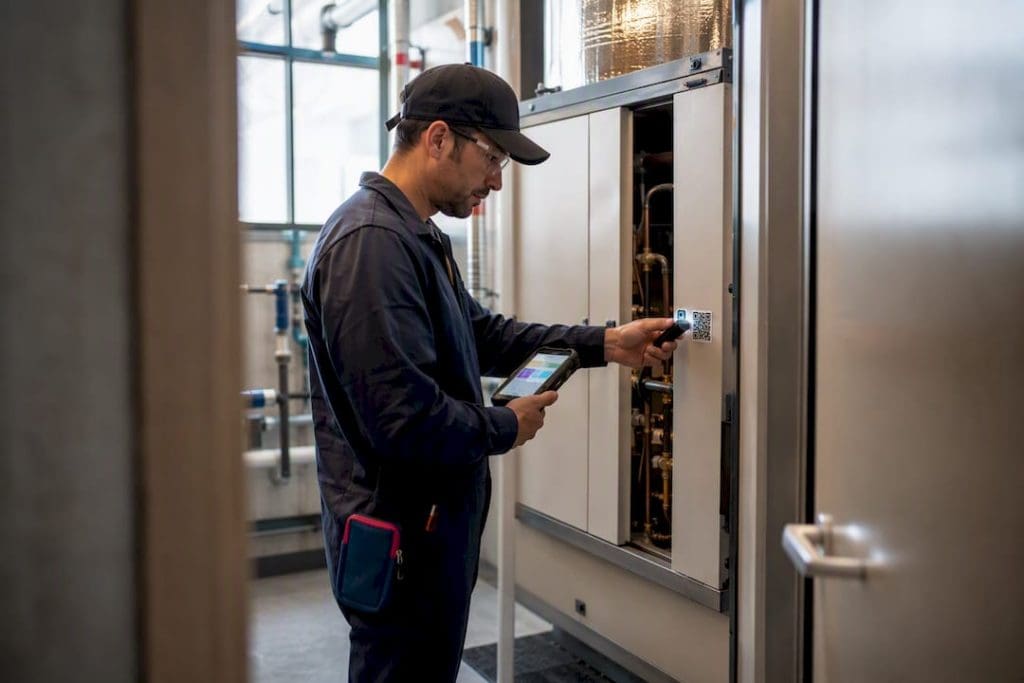
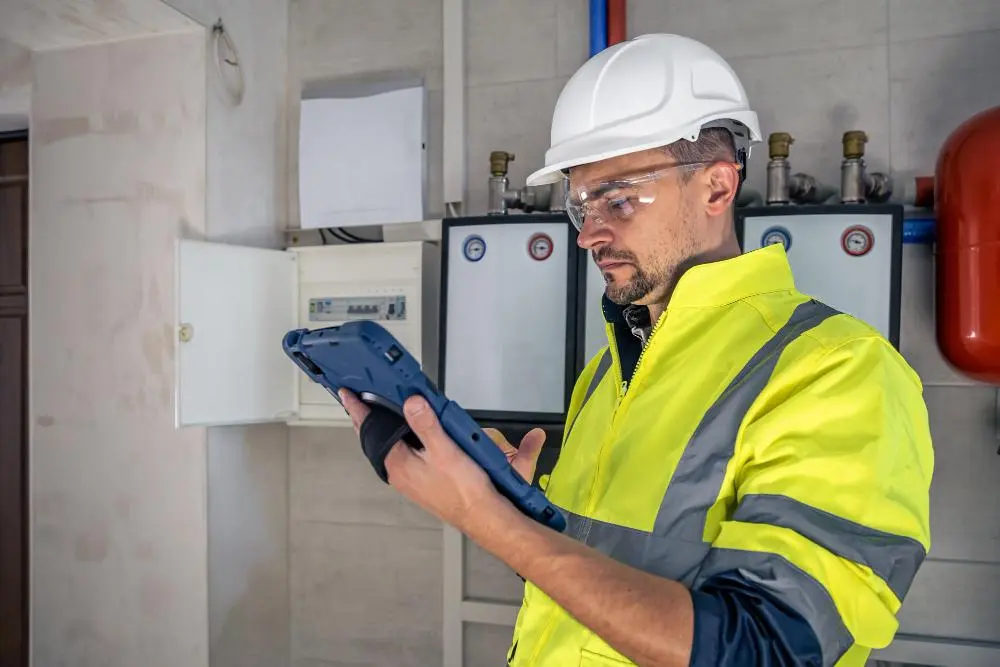
Mobile CMMS tools are changing the game for building maintenance. With mobile access to maintenance data, work orders, and asset histories, facility managers and technicians can respond faster, stay organized, and keep operations running smoothly, no matter where they are. Staying on top of building maintenance is no small task—especially when you’re juggling multiple properties, teams, and unexpected repairs. That’s where mobile CMMS helps, one tap at a time. Goodbye Clipboards, Hello Smartphones Let’s face it—paper checklists and scribbled notes don’t cut it anymore. With a mobile CMMS, your maintenance team trades clipboards for smartphones or tablets, giving them everything they need in the palm of their hands. Work orders, asset histories, photos, manuals—it’s all just a few taps away. Real-Time Updates, Right Where You Are Got a leak on the fifth floor? Your technician can receive an alert, head to the site, log the issue, take a photo, and then update the work order in real time. No detours to the office. No paperwork left behind. Everyone stays in the loop—from facilities managers to technicians to tenants—without playing phone tag. Offline Access Keeps the Work Flowing No Wi-Fi? No problem. Many mobile CMMS platforms let users work offline and sync updates once they’re back online. So whether your team is in the boiler room, a basement, or a far corner of a sprawling campus, maintenance doesn’t have to stop just because the internet did. Smart Scheduling and Smarter Workflows A mobile CMMS isn’t just about emergency fixes—it shines when it comes to preventive maintenance. Teams get scheduled task reminders right on their devices, along with step-by-step instructions and safety checklists. It cuts down on missed inspections and makes sure things are done right the first time. Track, Report, and Use Your Data Every job logged on the app adds to a growing pool of data that helps your team spot patterns, plan budgets, and make informed decisions. Plus, those before-and-after photos and timestamps? Great for showing clients, tenants, or upper management that your team’s on top of it. Stay Top of Building Maintenance with Mobile CMMS In the world of building maintenance, timing is everything. Whether it’s a busted pipe, a finicky HVAC unit, or an elevator acting up right before a big event, delays can cost you—both in dollars and reputation. Mobile CMMS isn’t just a trend—it’s quickly becoming the standard for efficient, effective building maintenance. It keeps your team connected, your tasks on track, and your building running like a well-oiled machine. Because in maintenance, being mobile doesn’t just mean moving fast—it means staying ready. Give your crew the tools to get the job done. Contact us to get started today.

Why Routine Building Maintenance Matters (and How CMMS Helps)

CMMS Helps with Routine Building Maintenance

Routine property maintenance isn’t just about fixing things when they break. It’s about protecting your investment, maximizing asset life, improving energy efficiency, and ensuring a safe, pleasant environment for occupants. If you own or manage property—whether it’s a commercial building, a shopping center, or an industrial facility—you know that regular upkeep is essential. But maintenance is often reactive, sporadic, and focused on putting out fires instead of preventing them. That short-term mindset can quietly chip away at your property’s long-term value. The solution? A proactive, well-organized maintenance strategy supported by CMMS. CMMS makes it significantly easier to stick to a consistent schedule, reduce costs, and make smarter, data-driven decisions about your property’s future. Why Routine Building Maintenance Matters Properties are like cars: if you wait until the check engine light is on, you’ve waited too long. Small issues—leaky faucets, dirty filters, cracked seals, or poor drainage—can snowball into major repairs or even structural damage when ignored. Routine maintenance allows you to: But knowing why routine building maintenance matters and doing it consistently are two different things. That’s where many facilities struggle—especially without a system in place to track maintenance tasks, asset conditions, and historical costs. CMMS, however, becomes a game-changer. CMMS and a Long-Term Routine Building Maintenance Plan CMMS manages all aspects of maintenance operations—assets, work orders, inspections, service history, parts, vendors, and more. It creates structure, visibility, and accountability, making it much easier to plan, schedule, and complete routine property maintenance. Here’s how a CMMS helps protect your property’s long-term value. 1. Create and Automate Preventive Maintenance Schedules With CMMS, you can build a comprehensive preventive maintenance plan tailored to each building system. Whether it’s quarterly HVAC inspections, monthly fire extinguisher checks, or annual roofing assessments, you can automate reminders and assign tasks to the right people. No more relying on sticky notes, memory, or last-minute scrambles. Automated PM schedules mean critical systems are serviced on time—keeping them running efficiently and helping you avoid premature breakdowns or replacements. 2. Centralize Maintenance Records and Asset History Imagine trying to sell a property or justify capital upgrades without records of past maintenance. CMMS keeps everything in one place—service dates, vendor details, repair costs, warranty info, equipment manuals, and inspection reports. This organized history boosts property valuation and provides crucial documentation for lenders, insurers, or potential buyers. It also empowers you to make informed decisions. You’ll know exactly when that boiler was last serviced or how much you’ve spent on elevator repairs in the last five years—valuable data when evaluating whether to repair or replace. 3. Track Condition and Plan for Capital Improvements Routine building maintenance often reveals signs of aging or inefficiency in your building systems. CMMS platforms can log these observations and even prompt condition assessments or follow-up inspections. Over time, you build a clear picture of your property’s physical condition, which helps you plan for major repairs or capital improvements before they become urgent. Instead of being surprised by a failing HVAC system, you’ll have a record of declining performance, allowing you to budget and schedule a replacement proactively. 4. Improve Response Times and Accountability Even with the best routine building maintenance plan, issues will arise. CMMS streamlines the process of responding to maintenance requests, prioritizing work orders, and assigning technicians. Most systems include mobile access, so teams can update work status and upload photos in real-time. That level of responsiveness is not just efficient—it also builds trust with tenants and stakeholders, showing that you’re committed to the care and condition of the property. 5. Reduce Operating Costs Through Efficiency Let’s not forget the financial angle. Proactive maintenance often uncovers inefficiencies like clogged air filters, leaking valves, or outdated lighting. Fixing these small issues as part of routine building maintenance reduces energy consumption, lowers utility bills, and prevents costly damage. Your CMMS can also track parts inventory and vendor pricing, helping you avoid rush orders and identify cost-saving opportunities through bulk purchasing or vendor negotiations. Long-Term Value is Built One Work Order at a Time There’s no magic formula for routine building maintenance. It’s a process—a daily commitment to doing the small things right. Replacing air filters on schedule, tightening loose railings, flushing water heaters, sealing cracks, cleaning gutters. These tasks add up. They protect your infrastructure, reduce wear and tear, and send a clear message: this property is well cared for. When you back that commitment with CMMS, you’re no longer guessing. You have a structured, trackable system that ensures nothing slips through the cracks. You can plan better, respond faster, and demonstrate a consistent maintenance record that adds real value to your property over time. Routine Building Maintenance Matters Whether you’re maintaining a single building or a multi-property portfolio, routine building maintenance is the foundation of long-term property value. It’s not glamorous, but it pays off in higher asset performance, fewer emergencies, better tenant satisfaction, and stronger resale potential. CMMS takes the guesswork and hassle out of the equation. With a centralized platform for scheduling, tracking, and analyzing your maintenance efforts, you can finally move from a reactive approach to a proactive strategy that truly protects your investment for the long haul. Have questions? MPulse Software has answers. Contact us to get started.

How to Plan for Unexpected Facility Maintenance Costs with CMMS

How to Plan for Unexpected Facility Maintenance Costs

Unexpected facility maintenance costs tend to be more expensive than scheduled ones, often requiring after-hours labor, rush delivery of parts, or even temporary shutdowns. While you can’t predict every issue, you can use CMMS to significantly reduce both the frequency and impact of those unexpected hits. Facility maintenance budgeting isn’t just about forecasting routine expenses—it’s also about preparing for the surprises. An aging HVAC system might decide to quit on the hottest day of summer, or a water line could burst over a holiday weekend. These problems aren’t just inconveniences—they’re potential financial sinkholes if you’re not prepared. That’s where a smart budgeting strategy and CMMS come into play. The Real Cost of Unexpected Facility Maintenance Costs Many facilities don’t have a clear view of their maintenance history. If you’re managing data in spreadsheets, scattered paper records, or not at all, it’s tough to build a solid case for budget requests—especially when justifying extra funds for “what if” scenarios. That’s where CMMS becomes invaluable. CMMS for Facility Maintanence Budgeting CMMS is a powerful tool for tracking maintenance operations, costs, asset performance, and more—all in one centralized system. When it comes to budgeting, it gives you hard numbers and trends instead of best guesses and gut feelings. Here’s how a CMMS can help you plan for unexpected facility maintenance costs: 1. Track Historical Data One of the biggest advantages of CMMS is the ability to look backward in order to plan forward. With just a few clicks, you can see how often a particular asset has failed, what it cost to repair, how long it was down, and whether it was worth fixing or replacing. You can even identify recurring seasonal issues—like that finicky rooftop unit that seems to go down every July. By reviewing trends in reactive work orders, you can forecast which assets are most likely to generate surprise expenses and budget accordingly. For example, if your cooling tower needed emergency service two summers in a row, you can plan preventive work or set aside contingency funds in anticipation of a third round. 2. Automate Preventive Maintenance CMMS helps shift your facility from reactive maintenance to preventive maintenance. The more proactive your program, the fewer “surprise” expenses you’ll have to deal with. You can schedule PM tasks based on usage, time intervals, or even condition-monitoring data. PM schedules not only extend the life of your assets but also allow you to spread costs more evenly across the year—rather than blowing your budget on emergency repairs in Q3. 3. Predict Costs with Greater Accuracy Budgeting with CMMS lets you factor in more than just labor and materials. You can include warranty information, vendor pricing, expected part lifespans, and service contract details. As a result, you have more precise cost modeling, which is especially useful when requesting capital for asset replacement or major overhauls. Some CMMS platforms also offer predictive analytics, giving insight into failure probabilities or identifying maintenance patterns that signal a looming issue. These features help prioritize which assets need attention (and funds) sooner rather than later. 4. Justify Emergency Reserves Let’s face it—when money is tight, emergency reserves are often the first line item to get slashed. But with detailed reports from your CMMS, you can build a stronger case for why those reserves matter. Instead of saying, “We might need this in case something breaks,” you can point to three years of data showing how much you’ve spent on unplanned downtime for your critical assets. That level of clarity not only helps secure budget approval but also earns trust from upper management. 5. Improve Communication Across Departments CMMS isn’t just for the maintenance team—it also improves collaboration with finance, procurement, and operations. When everyone has access to the same real-time data, it’s easier to align on budget goals and make smarter spending decisions. For example, if operations is planning to scale production next quarter, your team can use CMMS insights to anticipate the additional strain on machinery—and budget accordingly for increased maintenance needs. Budget for Unexpected Facility Maintenance Costs with CMMS So how do you get started? Here’s a basic outline for using your CMMS to budget for both planned and unexpected costs: Don’t Let Unexpected Facility Maintenance Costs Derail Your Budget Unexpected facility maintenance costs will always happen—but they don’t have to derail your entire budget. With the right CMMS, you can prepare, predict, and plan for the unpredictable. And when the inevitable does happen, you’ll be ready—with the data to back your decisions and the strategy to keep operations running smoothly. Contact MPulse to get started today.

Save More with Concurrent Licenses for CMMS

Save More with Concurrent Licensing for CMMS

Choosing the right type of CMMS software licenses can save your team big bucks. Generally, you’ll see two kinds of licensing models: named user and concurrent. Named user licenses are like VIP passes—each person gets their own. Doesn’t matter if they use it daily or once in a blue moon; you’re paying for a seat with their name on it. Concurrent licensing, on the other hand, is more like a coffee shop. There are only so many seats, but anyone can use them—as long as there’s space. You’re only paying for the number of people who are likely to be logged in at the same time. And that’s where the savings happens. Here’s Why Concurrent CMMS Licensing Wins 1. Ideal for Occasional Users With a named user license, you’re covering everyone—even if half your team only logs in to check a dashboard once a week. Concurrent licensing lets you stretch your budget by paying for usage, not headcount. 2. Perfect for Rotating Teams Got shift work? Seasonal contractors? Field techs who pop in and out of the system? Concurrent licensing handles all of that with grace. As long as you don’t go over your simultaneous user cap, you’re good. 3. Fewer Admin Headaches Managing a hundred named users can feel like herding cats. Who needs access? Who left the company? With concurrent licensing, you manage fewer seats overall, which means fewer headaches. Concurrent Sofware Licenses Are More Cost Effective If your CMMS needs to support a lot of users—but not all at once—concurrent licensing is like finding the happy hour menu of software pricing. Same great features, but you’re not paying full price for every single person to have their own private entrance. So before you lock in another round of named user licenses, take a breath, crunch the numbers, and consider whether concurrent is the more cost-effective option. Your budget will thank you. Want to see how concurrent licenses and MPulse CMMS software can work for your team? Sign up for a free trial.

How to Create a Maintenance Schedule Using CMMS

How to Create a Maintenance Schedule with CMMS

Manually creating a maintenance schedule can feel like a mix of logistics, timing, and crossed fingers. If you’ve ever tried to keep track of every oil change, filter replacement, and equipment inspection with a spreadsheet and a dream, you know it can get messy—fast. That’s where a CMMS comes in. It’s like your maintenance team’s personal assistant—one that never sleeps, never forgets, and doesn’t spill coffee on your work orders. How to Create a Maintenance Schedule Ready to get your maintenance schedule up and running? Here’s how to get started. Step 1: Create a Maintenance Schedule List Start by gathering a complete list of your assets. Think HVAC systems, production equipment, lighting, plumbing—you name it. If it needs attention to keep running smoothly, it goes on the list. Bonus points if you also note model numbers, serials, and manufacturer recommendations. That info will come in handy when setting up service intervals later. Step 2: Set the Rules of Engagement Now that you know what needs maintaining, figure out how often it needs love. This might be every 3 months, 500 miles, 100 hours of use—or whatever works for your equipment and industry. Not sure? Start with manufacturer guidelines, then fine-tune over time based on wear-and-tear, usage, or past issues. Your CMMS will let you tweak it as you go. Step 3: Let CMMS Do Its Thing Once your assets and schedules are ready, then plug everything into your CMMS. Most systems let you create recurring tasks with triggers based on time (like every 30 days), usage (like every 200 hours), or events (like after a breakdown). Then sit back and watch the magic. Your CMMS will automatically generate work orders when it’s time, assign them to the right people, and send reminders to keep everyone in the loop. Step 4: Track It Like a Pro As your team completes tasks, make sure they’re logging what they did, when they did it, and any parts or notes involved. Your CMMS turns all that into a goldmine of data you can use to plan budgets, spot trends, and impress the boss. Step 5: Adjust as You Go Things change. Equipment gets older. Schedules shift. Maybe a quarterly inspection becomes monthly. No problem—your CMMS can adapt. Just tweak the task, adjust the frequency, and move on. No reprinting binders or rewriting the whiteboard. Creating a Maintenance Schedule Setting up a maintenance schedule with a CMMS isn’t rocket science. It’s more like setting your GPS before a road trip—do it once, and it helps you stay on track the whole way. So if you’re still playing calendar roulette with your maintenance tasks, it might be time to switch gears. With CMMS, you can spend less time chasing problems and more time preventing them. Your equipment—and your future self—will thank you Get started today with a free trial.

Scheduled Maintenance Tasks Every Building Team Should Know

Building Maintenance Tasks Every Team Should Know

Scheduled maintenance tasks help prevent costly breakdowns, improve safety, and keep facilities running smoothly day in and day out. Building maintenance can quickly feel overwhelming. One minute you’re fixing a dripping faucet, and the next you’re fielding complaints about a jammed door, a flickering light, or a suspiciously warm “cold” room. Sound familiar? But here’s the thing: most of those daily annoyances? Totally avoidable with a little planning and the right tools. With CMMS and scheduled maintenance, it becomes practically effortless. Schedule Maintenance Tasks You Should Know Not sure what should be on your list? No worries—we’ve got you. Here are the scheduled maintenance tasks every building team should have on lock. HVAC Checkups Let’s start with the one everyone notices when it’s not working: heating and cooling. Scheduled HVAC maintenance tasks are a lifesaver. Think filter changes, coil cleanings, duct inspections, and thermostat calibrations. Keeping the system running smoothly means happier tenants, fewer complaints, and way less strain on your equipment. Pro tip: seasonal checkups are key—before summer heat waves or winter chills hit. Lighting Inspections Good lighting does more than brighten a space—it keeps people safe and reduces energy costs. Burned-out bulbs, flickering fluorescents, or faulty fixtures should never be a surprise. With regular lighting inspections, you can stay ahead of outages and even upgrade to more energy-efficient solutions while you’re at it. Your electric bill will thank you. Plumbing Scheduled Maintenance Leaky pipes, clogged drains, temperamental toilets—plumbing issues are small until they suddenly… aren’t. Scheduled checks help you spot wear and tear before it becomes a flood (literally). Don’t forget to include water heaters, restrooms, and backflow preventers on the list. A five-minute fix now can save you thousands later. Safety Equipment Checks This one’s non-negotiable. Fire extinguishers, exit signs, emergency lighting, smoke detectors, and carbon monoxide alarms all need to be checked on a routine basis. These aren’t just checkboxes—they’re lifesavers. Regular inspections and scheduled maintenance tasks keep your building code-compliant and your people protected. It’s peace of mind you can schedule. Door and Window Inspections Loose hinges, sticky locks, cracked seals—these little issues often go unnoticed until they become a security or energy efficiency problem. Walkthrough inspections every quarter (or even monthly) can catch these early. Bonus: properly sealed windows and doors can seriously cut down on heating and cooling costs. Elevator and Escalator Servicing If your building goes up (or down), you definitely want those elevators and escalators running reliably. Scheduled maintenance isn’t just about avoiding breakdowns—it’s also about safety and compliance. Nobody wants the call that someone’s stuck between floors. Keep it moving (literally) with routine servicing from certified pros. Grounds and Exterior Upkeep The outside of your building says a lot about what happens inside. Regular landscaping, sidewalk inspections, gutter cleanings, and exterior wall checks keep things looking sharp and structurally sound. Plus, spotting damage from weather or wear before it spreads can save you major repair bills down the line. Scheduled Maintenance Tasks with CMMS Now here’s where things get really smart: plug all these tasks into a CMMS and let it do the heavy lifting. Schedule maintenance tasks in advance, assign them to the right team members, track completions, and get reminders before things fall through the cracks. It’s like turning your building into a self-checking system—minus the robots. When you’ve got a proactive maintenance plan in place, the benefits add up fast. Fewer breakdowns. Happier tenants. Lower repair costs. And a whole lot less stress. So go ahead—set it, schedule it, and don’t sweat it. Because a little planning today keeps the emergencies away. Get started today. Contact us.

Tips & Tricks for Preventive Maintenance with CMMS

Tips and Tricks for Preventive Maintenance Tasks

Combining preventive maintenance with CMMS transforms reactive chaos into calm, confident control. If you’ve ever dealt with a surprise equipment breakdown in the middle of a busy day, you know it’s better to schedule a little maintenance than scramble for a last-minute repair. That’s where CMMS can help. Whether you’re new to CMMS or just want to sharpen your routine, these tips and tricks can keep your preventive maintenance program purring like a well-oiled machine. Tips & Tricks for Preventive Maintenance with CMMS 1. Start Small, Think Smart Start with your most critical assets and build from there. Use your CMMS to create simple, recurring PM tasks. Over time, you can layer in more complexity, like seasonal checks or compliance-based inspections. 2. Set It and (Kind of) Forget It CMMS software is built to take the guesswork out of scheduling. Set up time- or usage-based triggers so that your system automatically assigns work orders. That means fewer sticky notes, spreadsheets, or “Did I remember to…?” moments. 3. Make It Mobile If your team is always on the go, make sure your CMMS works on phones or tablets. That way, techs can log work orders on the fly, snap photos, and check off tasks without running back to a desk—or deciphering their handwriting later. 4. Standardize Your Checklists Make life easy for your techs. Create reusable checklists for common preventive maintenance tasks with CMMS. When everyone’s following the same steps, you cut down on confusion and help ensure nothing important slips through the cracks. 5. Watch the Data, Not Just the Calendar A CMMS isn’t just a fancy calendar. Use it to track failure trends, cost histories, and asset lifecycles. Over time, you’ll start to see patterns—and opportunities to replace before it breaks, not after. 6. Review and Refine Once a quarter, check your CMMS reports. Are PMs being done on time? Are breakdowns going down? Make little tweaks as needed, and don’t be afraid to retire tasks that aren’t pulling their weight. 7. Get the Team Involved Preventive maintenance works best when everyone’s on board. Involve your technicians in setting up schedules and reviewing results. The more invested they are, the smoother things will run—and the fewer “surprise” issues you’ll face. Preventive Maintenance with CMMS Gives You Control Preventive maintenance isn’t about perfection—it’s about progress. A CMMS helps you move from reactive chaos to calm, confident control. And the best part? Once it’s humming along, it practically runs itself. Want more tips and tricks to make your preventive maintenance easier with CMMS? Start with a free trial of MPulse. We make it easy

How CMMS Keeps Facilities in Tip-Top Shape

How CMMS Keeps Facilities in Tip-Top Shape

Maintenance can sneak up on you. That’s why many facilities rely on CMMS to manage and streamline their maintenance operations efficiently. One day, everything’s running smoothly—floors are shiny, lights are steady, systems are humming. The next? There’s a mysterious leak in the ceiling, the elevator is making disturbing noises, and half the lights on the third floor are flickering like you’re in a horror movie. But it doesn’t have to be that way. CMMS for Facility Maintenance CMMS gives you the go-to tools for keeping facilities running like a well-oiled machine. This smart, reliable software works tirelessly in the background to keep the wheels turning. So what exactly does CMMS do for facility maintenance? First, it brings order to the madness. CMMS stores every work order, repair log, and preventive maintenance schedule in one central, easy-to-use system. That means no more scrambling through inboxes, deciphering scribbled sticky notes, or playing a round of “Who told Bob to fix the boiler?” Reduce Confusion and Delays Let’s say it’s the hottest day of the year, and—of course—the A/C in Conference Room B decides to take a break. With CMMS, anyone on your team can submit a service request in seconds. It’s instantly routed to the right technician, who gets notified, handles the issue, and logs the fix. No confusion. No delay. Just cool air, back on schedule. But CMMS isn’t just about reacting—it’s a powerhouse for prevention. Want to make sure the HVAC service happens every quarter? Fire extinguishers inspected annually? Plumbing checked before it becomes a problem? You can set up automated maintenance reminders so those tasks never fall through the cracks. It’s like giving your facility a built-in memory—and a very reliable one at that. Better yet, every maintenance task—big or small—gets tracked and time-stamped. That running history doesn’t just make you look like a genius when someone asks, “When did we last service the generator?” It helps you spot patterns, budget more accurately, and make smarter decisions about when to repair, replace, or upgrade. The result? Facility and building maintenance stops being a fire drill and starts running like a finely tuned operation. You solve problems faster. Emergencies happen less often. And your team spends less time putting out fires and more time keeping everything in top form. In short, CMMS turns facility maintenance into a well-choreographed performance. Smooth. Predictable. Professional. Keeps Facilities in Tip-Top Shape So if your current system involves whiteboards, gut instincts, and hoping for the best, it might be time to give CMMS a try. Your building will run better. Your team will work smarter. And your sanity? It’ll stick around for the long haul. Get started today. Contact us.

How Scheduling Maintenance Calms the Chaos

How Scheduling Maintenance Tasks Calms the Chaos

Ever tried to juggle maintenance schedules using a mix of spreadsheets, sticky notes, and sheer willpower? If so, you know the chaos all too well. It feels like wild ride—filled with forgotten tasks, last-minute scrambles, and the occasional system failure that seems to hit at the worst possible time. Spoiler alert: there’s a better way. CMMS for Scheduling Maintenance Enter CMMS. It’s like the partner your maintenance team didn’t know it needed. CMMS never forgets a maintenance task, never misplaces a sticky note, and never takes a day off. When it comes to scheduled maintenance, it removes the guesswork, the paperwork, and the “oops, we missed that” moments from your day-to-day. Picture this: You’ve got critical equipment that needs regular attention—maybe it’s an oil change every 1,000 hours, a filter swap every month, or a full inspection every quarter. Instead of relying on someone’s memory, an outdated whiteboard, or a faded calendar tacked to the break room wall, a CMMS automatically schedules maintenance tasks based on real data. And it doesn’t just log them. It sends reminders and alerts so the job actually gets done before things start breaking down. Scheduling maintenance with CMMS is like having a digital assistant who never sleeps, tapping you on the shoulder with a friendly “Hey, time to check the HVAC filters” or “Don’t forget the forklift inspection.” And it’s doing this not just for one asset, but for every piece of equipment you manage. Maintenance Becomes Manageable And the benefits don’t stop at scheduling. A good CMMS tracks work orders from start to finish. It assigns tasks to the right team members, and keeps a full digital history of every maintenance activity—what was done, when, by whom, and with what parts or tools. So next time your supervisor asks whether the generator got its quarterly tune-up, you won’t need to dig through filing cabinets or play detective. It’s all right there, in real time. The result? Scheduled maintenance actually becomes… manageable. Predictable. Efficient. No more frantic phone calls, no more mystery malfunctions, and no more crossed fingers that “someone took care of it.” Just a streamlined, professional approach to keeping your assets in top condition. Scheduling Maintenance Calms the Chaos If your maintenance strategy still looks like a game of Whac-A-Mole, it might be time to level up. A CMMS turns reactive chaos into proactive control—and your team (and your equipment) will thank you for it. MPulse Software can help you get started today. Contact us.

Real-Time Monitoring with CMMS

MPulse CMMS Real-Time Monitoring

In today’s fast-paced working environments, you need to keep your equipment and facilities in top working condition. Implementing real-time monitoring with CMMS can help. Unexpected failures can lead to costly repairs, lost productivity, and even safety hazards. CMMS with real-time monitoring capabilities changes the game for maintenance in every industry. Here’s how. What is Real-Time Monitoring? Real-time monitoring in CMMS involves the continuous tracking of equipment performance, condition, and maintenance needs using sensors, IoT technology, and automated alerts. Instead of relying solely on scheduled maintenance or reactive repairs, real-time monitoring enables organizations to predict and prevent failures before they happen. Benefits 1. Proactive Maintenance: With real-time data, maintenance teams can identify early signs of equipment wear and address issues before they escalate, reducing unplanned downtime and costly emergency repairs. 2. Increased Equipment Lifespan: Regularly monitoring equipment conditions helps optimize maintenance schedules, ensuring assets operate at peak efficiency for longer periods. 3. Improved Workflows: Automated alerts and work order generation streamline maintenance tasks, ensuring that the right technician is assigned at the right time with the necessary resources. 4. Cost Savings: Predictive maintenance strategies powered by real-time monitoring help reduce unnecessary maintenance costs while preventing expensive breakdowns. 5. Enhanced Safety and Compliance: Real-time monitoring provides instant notifications of hazardous conditions, allowing teams to take immediate action to prevent accidents and maintain compliance with industry regulations. How Real-Time Monitoring Works A CMMS integrated with real-time monitoring uses sensors and IoT technology to collect data on parameters such as temperature, pressure, vibration, and energy consumption. This data is then transmitted to the CMMS platform. Your CMMS software analyzes the data, which is used to trigger alerts, generate work orders, and optimize maintenance schedules. For example, if a vibration sensor detects abnormal activity in a motor, the CMMS can automatically generate a work order for inspection, preventing potential failure and costly repairs. Implementing Real-Time Monitoring To successfully implement real-time monitoring in CMMS, organizations should: The Future of Maintenance As technology advances, real-time monitoring with CMMS will continue to evolve, using AI and machine learning to enhance predictive analytics. Businesses that embrace these innovations will gain a competitive edge by reducing downtime, improving operations, and extending the life of their assets. Real-time monitoring is more than just a trend—it’s a necessity for modern maintenance management. With real-time data, organizations can transition from reactive to proactive maintenance, improving reliability, safety, and cost-effectiveness in their operations. Have questions? We have answers. Contact us.