
Integrating Microsoft SQL Server Into MPulse

Sometimes your maintenance team needs data from other departments, which use different software. And, other departments often need your maintenance data in their systems too. One common data source is Microsoft SQL Server, a relational database management system developed by Microsoft. Microsoft SQL Server supports a wide variety of transaction processing, business intelligence and analytics applications in corporate IT environments. Software integration between Microsoft SQL Server and MPulse makes it easier to gather and share data between the different systems. Luckily, using the Microsoft SQL Server with MPulse is easy, with a little help from MPulse DataLink. Connecting Microsoft SQL Server Integration Services and MPulse As a database server, Microsoft SQL Server’s primary function is storing and retrieving data as requested by other software applications. Sometimes those applications run on the same computer, or other times they connect across a network and/or the Internet. Microsoft markets at least a dozen different editions of Microsoft SQL Server aimed at different audiences, and for workloads ranging from small single-machine applications to large Internet-facing applications with many concurrent users. Software integration with your edition of Microsoft SQL Server and your MPulse CMMS software enables you or your IT team to quickly and easily move data in and out, depending on your needs. MPulse connects to a SQL server analysis services database via MPulse’s DataLink Integration Adapter feature. That makes this integration easy, enabling users to do things like… Import data to the CMMS software from files, databases, or other applications Export data from the CMMS software to other applications, files, or databases Schedule imports and exports based on times or file changes Save “mapping profiles” to your data sources and targets Benefits of Integrating with Microsoft SQL Server Tight integration between CMMS software and your other business-critical applications and data stores like Microsoft SQL Server will do more than reduce hassle. You’ll also enjoy these benefits… Fewer errors due to manual data entry Reduced data input redundancy Faster response times to maintenance problems Near real-time monitoring of critical data The ability to grow with your company’s changing technologies Above all, MPulse DataLink Integration tools provide an easy way to connect your MPulse CMMS bi-directionally with Microsoft SQL Server, as well as accounting systems, meters and gauges, or other critical data sources. As a result, data sharing between MPulse CMMS and Microsoft SQL Server goes a long way in keeping your maintenance department running smoothly. Note that data integration is different from one-time import/exports, which commonly occur when the CMMS software is first integrated. Have questions? We’re here to help. Contact us for more information about integrating Microsoft SQL Server and MPulse CMMS software.
Root Cause Analysis Prevents Problems Before They Occur

A reactive maintenance strategy simply means when something breaks, you fix it. Many maintenance departments still use reactive maintenance today. However, maintenance managers know the difference between fixing something and understanding why it broke. Organizations use root cause analysis as a tool to solve, and eventually prevent, underlying issues rather than putting out fires when something breaks. Maintenance personnel use these same principles in their work too, although sometimes more instinctively. Let’s talk about how root cause analysis can streamline your business and help improve your maintenance strategy. Root Cause Analysis Explained Root cause analysis refers to the process of discovering the root causes of problems in order to identify appropriate solutions. This concept likely sounds very familiar to maintenance professionals because of the nature of maintenance work. For example, experienced maintenance techs can repair an asset and also understand the reason it broke in the first place. That firsthand knowledge gained from experience is the basis of root cause analysis in plant maintenance. It’s just a more formal process. How to Perform a Root Cause Analysis Root cause analysis in plant maintenance can show where a failure occurred and why. That requires… Identifying the root cause of the failure Understanding how to fix the problem Applying this knowledge to prevent future failures This type of primary source analysis fits naturally in the maintenance department. Let’s take a simple, yet common issue—changing the fluid or oil in a piece of equipment. You can apply root cause analysis in this situation with this five-step process. Identify the problem. An asset failed. During a principal trigger inspection, you determine the viscosity of a lubricating oil or fluid has degraded. This degradation caused a part to overheat and fail, the equipment became unusable, and production stopped. Collect data. Next, you collect data on the failure. In our simple example, you note that the fluid was not replaced in a timely manner. Using CMMS software, you know exactly what occurred and when—or what didn’t occur and should have. Confirm the cause of the failure. After collecting the data, you confirm the cause of the failure. In this case, you recognize the symptoms of overheating due to a lack of lubrication, and then verify the cause. Identify the solution. It’s possible there’s more than one solution, or a solution requires multiple steps. Additionally, you may have to prioritize solutions. In this case, you decide establishing or adjusting the PM schedule to replace the fluid is the most logical first step. Monitor and verify the solution. Again, you need good data here. CMMS software can help you track maintenance tasks and the results. In this case, you schedule inspections to make sure your solution worked and pull historical reports on the maintenance work at specific time periods. What Are the “5 Whys” of Root Cause Analysis? Root cause analysis requires understanding the “why” of a failure. But, as maintenance professionals know, failures can have multiple causes—and one failure can be the cause of another. Continuing with our simple example, we can dig deeper using the 5 “whys” to get to the heart of the matter. Why #1: Why did the equipment fail? Answer: A part overheated. Why #2: Why did the part overheat? Answer: The fluid or oil deteriorated to the point that the lack of lubrication caused the part to overheat. Why #3: Why did the fluid or oil deteriorate? Answer: It wasn’t changed at the recommended time. Why #4: Why wasn’t it changed? Answer: The PM was missed or not scheduled. Why #5: Why was the PM missed or not scheduled? Answer: The schedule wasn’t set up properly in the CMMS software. Asking “why” eventually leads to the solution—in this case setting up a schedule or improving the notification process. Note that while we went through five “whys,” you could go through more. For example, Why #6: Why wasn’t the schedule set up properly in the CMMS software? Answer: The team wasn’t properly trained and made a mistake. Note that each “why” has a partial solution. Getting to the root of the failure, however, prevents it from happening again. Using Root Cause Analysis to Improve Maintenance Root cause analysis helps the maintenance team move from reactive to proactive maintenance. As a result, you can make better use of your team’s time and resources. CMMS software helps with accurate information on what’s impacting productivity, profitability, and corporate. And with that increased capability comes increased opportunity to improve organizational performance at all levels, including the maintenance department. CMMS software is the best tool you have for gathering, analyzing, and reporting data about your equipment and your team. And by using that data, you can make decisions based on hard evidence, instead of perceptions or assumptions. Best of all, the cumulative nature of CMMS data means you can ask different questions in the future—ones you might not even think about today. Find out how MPulse CMMS software can help your maintenance team use root cause analysis. Leave a comment or contact us.
How to Roll Up Data From Your Multi-Location Business
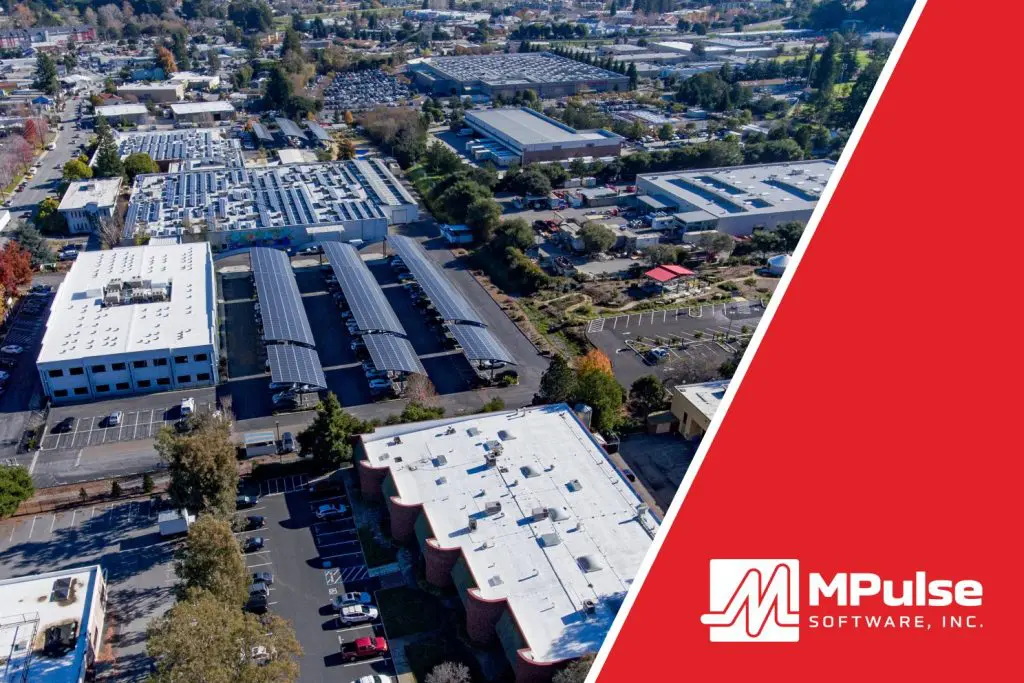
Managing maintenance across multiple locations holds unique challenges. Any organization with more than one location needs multi-site management strategies that actually work. CMMS software can help you standardize your workflow processes and reporting across locations. For example, these locations may include different storerooms, warehouses, offices, buildings, territories, regions, areas, etc. Here’s our how-to guide on how businesses with multiple locations/businesses can roll up their data to get a bird’s eye view of the business. How to Manage Multiple Business Locations The best way for multi-location brands to manage local business data is to connect all the locations across your distributed enterprise with the right software. As a result, you can have truly global settings, global reporting, and enterprise-wide inventory search and transfer. MPulse Multisite Connector provides a universal framework to connect all the locations across your distributed enterprise. Thus, you’ll know what’s going on at every site across the company with just a few clicks. With each work order or purchase request, MPulse collects the data you need for making cost-effective decisions. Data collection and reports are customizable, so you collect the information you need. Most importantly, when an emergency arises, Multisite Connector makes it easy to access this critical data when you need it most. How to Effectively Run a Multi-Location Management Strategy Multisite Connector ensures your maintenance processes, reporting needs, and data are the same at each location. Three major features are vital to any organization managing maintenance data in multiple sites. These features are… Enterprise Asset Status Board: Provides a single-screen graphical view that shows the health of assets across your enterprise. Enterprise Inventory Transfer Manager: Enables you to find inventory in storerooms across your enterprise, so your maintenance team can request, retrieve, and fulfill in a smooth transfer process. Enterprise Reporting: Create roll-up reporting across MPulse instances and across your entire enterprise, helping your organization make decisions based on hard data. Improve Location Management with MPulse’s Multisite Connector Tool Multisite Connector can provide a guide to managing data for multi-location brands. Therefore, you can save time and money at every site (and for the organization as a whole) by using MPulse Multisite Connector to… Track work orders, breakdowns, asset health, and other key metrics Streamline stocking, ordering, and other inventory processes Gather and report data You might think that only large organizations can afford a tool as powerful as Multisite Connector. However, MPulse has customers of all sizes who are reaping the benefits of standardizing maintenance across sites or locations. Learn about MPulse’s full range of available software features and how to reap the rewards of CMMS software across your entire enterprise. Contact us today to find out how MPulse can help with digital brand management strategies for multi-locations.
Integrating Oracle into MPulse CMMS Software

Data sharing goes a long way in keeping your maintenance department running smoothly. While your CMMS software gathers and reports on maintenance data, sometimes you also need data from other departments, which use different software. And, other departments often need your maintenance data in their systems too. Software system integration can help you with both these situations. System Integration and CMMS Software integration brings different types of software together, therefore making it easier to gather and share data between different systems. Common business situations where software integration with CMMS software makes sense include integrating financial data from the finance department, or employee data from human resources. These days, every company relies on an assortment of systems to capture, store, and report on activities and transactions across the enterprise. Oracle is one common system used by many organizations, for instance. CMMS Integration with Oracle Oracle, from Oracle Corporation, is a relational database management system. For example, Oracle’s different product editions include several options like Standard Edition, Enterprise Edition, Express Edition, and Personal Edition, depending on the user’s need. This multi-model relational database management system is mainly designed for enterprise grid computing and data warehousing. Its database is also known as simply Oracle also. Software integration with Oracle and your CMMS software enables you or your IT team to quickly and easily move data in and out, depending on your needs. MPulse’s DataLink Integration Adapter feature easily integrates with Oracle, enabling users to do things like… Import data to the CMMS software from files, databases, or other applications Export data from the CMMS software to other applications, files, or databases Schedule imports and exports based on times or file changes Save “mapping profiles” to your data sources and targets Benefits of Integrating with Oracle Tight integration between CMMS software and your other business-critical applications and data stores like Oracle will do more than reduce hassle. You’ll also enjoy these benefits… Fewer errors due to manual data entry Reduced data input redundancy Faster response times to maintenance problems Near real-time monitoring of critical data The ability to grow with your company’s changing technologies Above all, MPulse DataLink Integration tools provide an easy way to connect your MPulse CMMS bi-directionally with Oracle, as well as accounting systems, meters and gauges, or other critical data sources. Note that data integration is different from one-time import/exports, which commonly occur when the CMMS software is first integrated. Have questions? We’re here to help. Contact us for more information about integrating Oracle and MPulse CMMS software.
How To Use MPulse’s DataLink Integration Adapter

If you’re looking to get the most out of your CMMS investment, software integration tools like MPulse’s DataLink Integration Adapter makes it easy. As a result, you can connect with accounting systems, meters and gauges, or other critical data sources. Best of all, you don’t need a lot of expensive IT help to do it. How to Integrate MPulse with Other Software or Data Sources Our DataLink Integration Adapter enables your MPulse administrator or local IT team to quickly and easily move data in and out of MPulse using a familiar, intuitive interface. You can integrate MPulse with other software in four different ways… Import data to MPulse from files, databases, or other applications Export data from MPulse to other applications, files, or databases Schedule imports and exports based on times or file changes Save unlimited “mapping profiles” to your data sources and targets Step 1: Identify the Type of Data You Need DataLink Integration Adapter can meet virtually any data integration need, because it’s compatible with a wide array of file and data exchange formats. For instance, the most common formats are… Microsoft SQL Server Oracle Microsoft Excel Text files CSV files XML Web Services Step 2: Use MPulse’s Intuitive User Interface to Set Up Your Integrations MPulse’s intuitive user interface makes it easy to set up data integrations between your MPulse CMMS and accounting, ERP, building automation, PLCs, or other electronic systems. Use MPulse DataLink Integration Adapter’s simple, intuitive layout to… Choose and map the data you want Schedule imports and/or exports as desired Step 3: Reap the Benefits of Software Integration Tight integration between MPulse Maintenance Software and your other business-critical applications and data stores will do more than reduce hassle. You’ll also enjoy these benefits… Fewer errors due to manual data entry Reduced data input redundancy Faster response times to maintenance problems Near real-time monitoring of critical data The ability to grow with your company’s changing technologies Additionally, how much time, money, and aggravation could your company save if your CMMS could easily exchange data with any Excel, .txt, .csv, SQL Server, or XML Web Services data store? Take the initiative and follow the three simple steps outlined above. Then, sit back and let your CMMS system work—really work, for you and your company. Need more help? Contact us. We’re here for you.
Maintenance Triggers in University Facilities

University facilities require a great deal of communication between departments and teams, as well as a lot of (literal) ground to cover. As a result, university facility managers often feel constantly pulled in different directions. How are software maintenance tasks triggered at schools and university facilities? Here are five common maintenance issues, and how CMMS can help. Types of Maintenance Triggers Safety University facility maintenance teams are responsible for the safety of students, faculty, staff members, as well as their own safety. Additionally, maintenance professionals must quickly respond in an emergency, such as bad weather; unplanned breakdowns to a major facility asset, like an HVAC system; and smaller unplanned events. Safety requires a comprehensive preventive maintenance plan for schools to ensure manufacturers’ recommended maintenance tasks happen on time. All these safety issues require a lot of documentation, particularly for creating procedures and recording maintenance activities. Our customers use MPulse CMMS software to… Update safety procedures Document safety training Publish safety data as a reminder to employees Standardize checklists for scheduled inspections Create a paper trail showing preventive measures Detail emergency procedures in case of a natural disaster or other incident. Security University maintenance teams often are responsible for the security of the buildings and grounds they manage. MPulse creates a pass-down of information, so people know who has done what, as well as what needs to happen next when they come on shift. For example, MPulse Key and Lock Management helps maintenance teams manage and track keys as well as authorized users, reducing the problem of lost or misplaced keys. Additionally, you know who has which keys out and when they are scheduled to be returned, so your team spends less time searching for keys or following up with staff members. Vendors Facility teams often work with multiple vendors on maintaining school facilities. One of the biggest challenges is booking vendors to visit the site and complete PM tasks or repairs. MPulse’s scheduling capabilities give managers the ability to see which maintenance tasks are due and when, as well as keep track of the right vendor to call when the time comes. Additionally, MPulse’s work order management features made it easier to approve, assign, schedule, and manage maintenance done by both vendors and internal teams. Your team can also access maintenance manuals, internal documents, vendor websites, and more. All the information is stored within the asset record, so it’s easily accessible the next time around. Inventory University assets require parts and supplies to keep them operating in prime condition. MPulse’s asset management and tracking features keep tabs on everything from computers to security cameras to biometric readers and HVAC systems—and many of those assets require inventory. MPulse makes it easier to create an inventory control program. That includes monitoring inventory consumption by simply linking part usage to work orders. Your team also can easily check stock levels of any part or supply, as well as track and store vendor information. With MPulse, you know which parts are more beneficial to order on an as-needed basis, which ones you should keep on hand, and which ones need longer lead times. COVID-19 Preventive maintenance in schools has changed under COVID-19. Now maintenance teams must document completed tasks and inspections to prevent legal action, as well as support changing requirements for insurance companies. Preventing just one lawsuit more than makes up for the price of CMMS software. More than one university had its paper records become inaccessible during the pandemic as facilities closed. That’s why MPulse customers turned to their CMMS software to… Backup all data to a secure, off-site location Set up secure methods to access data off-site as necessary Maintain a list of equipment and assets Record information about manufacturers, warranties, and insurance policies Keep track of contact information for employees, vendors, emergency response personnel, etc. Support employees on shift during an event Access to this information is vital when you’re suddenly faced with a pressing need to assess what’s needed to reopen buildings and structures. Additionally, identifying which work orders are related to reopening in your CMMS software will help you quickly create the documentation you need when time is of the essence. Have questions? Contact us. We’re here for you.
Six Ways to Level Up Your CMMS Implementation
Once you’re up and running with MPulse’s basic features, it’s important to keep going to make the most of your CMMS investment. Take these six CMMS implementation steps to level up and streamline your company’s maintenance operations with MPulse. CMMS Implementation Guide 1. Automate Schedules Work order management features in CMMS software can automate schedules for both employees and contract workers. This information also eliminates lost information between shifts, reducing confusion and errors. 2. Employee Records MPulse Labor Resource Management can track all facets of your employee records: status, skill level, billing rate, contact information, and more. You can easily match employees or vendors to the assets they maintain and assign tasks accordingly. 3. Employee Performance Employee performance tracking helps you determine which employees are most efficient at which tasks. As a result, managers can balance the workload. By tracking repair times, you also can create benchmarks for your organization. 4. Labor Costs MPulse can help you accurately estimate labor hours for preventive maintenance (PM) tasks, making sure your staffing levels match the workload, and decreasing overtime costs. This type of labor cost analysis can determine when it’s more efficient to add more staff members, instead of paying more overtime. 5. Purchase Orders CMMS software can determine your current inventory levels and automatically generate purchase orders based on need, reducing purchasing overhead. You also can track parts to stock based on availability. For example, if a part has a three-week lead time, you can adjust stocking levels to make sure it is available when your staff needs it. 6. Equipment Life Cycle and Replacement Forecasting CMMS data helps organizations make effective replace-or-repair decisions. Maintenance software can track not only the age of the equipment, but the miles, hours, life-to-date repair dollars, and many other metrics—helping you decide when it becomes cheaper to replace an asset instead of repairing it. Like most successful investments, CMMS software benefits compound over time. As your data becomes more comprehensive, your organization becomes more efficient and the return on investment climbs. Following our CMMS implementation process helps you to capture key data and turn it into reliable information to help make cost-effective choices about asset management. With our easy-to-use CMMS software, MPulse customers reduce maintenance expenses, minimize downtime, extend equipment life and boost productivity throughout their organizations. Want more information? Contact us and put our experience to work for you.
OSHA Considerations For Auto Manufacturing

Automotive manufacturing companies must follow the U.S. Department of Labor’s Occupational Safety and Health Administration (OSHA) regulations that apply to their facilities and workforce. But OSHA doesn’t just protect your organization in an audit or inspection. It’s also in everyone’s best interest to be proactive about your employees’ health and safety. Here are common OSHA violations and regulations for auto manufacturers, and how MPulse can help. Equipment inspection and repair Automotive manufacturing facilities use a lot of equipment—including both common and industry-specific assets. Safety regulations for all this equipment requires documentation, particularly for creating inspection procedures and recording maintenance activities and repairs. The only way to prepare for OSHA inspections and audits is a proactive safety initiative supported by consistent documentation. That’s where CMMS software can help. For example, OSHA’s Control of Hazardous Energy standard, otherwise known as the “Lockout/Tagout” standard, is a common one for equipment found in auto manufacturing facilities. This standard outlines how to safely depower dangerous machines, including locking the machine in the “off” position and adding a tag with the name of the person who carries the key to the lock. Including these steps in an inspection checklist in MPulse is one way to make sure all procedures are followed correctly. Hazards Auto manufacturing uses a variety of hazardous materials. OSHA requires employers to make information about the identities and hazards of chemicals available and understandable to workers. Chemical manufacturers and importers are required to evaluate the hazards of the chemicals they produce or import, and prepare labels and safety data sheets to convey the hazard information. Additionally, employers must label hazardous chemicals, provide safety data sheets for their exposed workers, and train them to handle the chemicals appropriately. There’s nothing better at documenting those tasks than CMMS software. Documenting the materials, training and proactive steps taken in MPulse helps you avoid OSHA violations related to hazardous materials. Training OSHA requires organizations to record and track safety training for employees—something that requires a lot of administrative support. CMMS software helps you track health and safety data and resolve potential risks before outside auditors do, such as who’s had what training. CMMS software also helps with automated alerts that notify managers when certifications will expire. MPulse Labor Resource Management can track all facets of your employee records: training records, status, skill level, billing rate, contact information, and more. Plus, you can easily match employees or vendors to the assets they maintain, and determine the right training accordingly. Ergonomics Many tasks in auto manufacturing require training or proper equipment to avoid injuries related to ergonomics. Employees use power tools, bend and lift boxes or products, push carts or dollies, turn or bend hand tools, and reach overhead. If done incorrectly, serious injuries can result. CMMS software can help with checklists that detail safety codes. Plus, reminders to use extra equipment—like back braces or safety goggles—can help workers prevent mistakes and any related injuries. CMMS data from MPulse provides both the big picture and the little details, so your maintenance tasks are both visible and verifiable. And best of all, you can access the information in minutes, instead of spending hours or even days sorting through a paper filing system. Have questions? We have answers. Contact us.
Top OSHA Violations You Should Avoid

The U.S. Department of Labor’s Occupational Safety and Health Administration (OSHA) doesn’t just protect your organization in an audit or inspection. It’s in everyone’s best interest to be proactive about your employees’ health and safety. Maintenance workers are usually very familiar with OSHA regulations because maintenance work affects the entire organization—whether it’s on a production line, a construction site, or in a building. Maintenance techs are responsible for their own safety on the job, but they also contribute to the safety of building occupants and visitors. CMMS software helps improve workplace safety and implement worker protections to reduce and eliminate hazards, thereby preventing future workplace injuries and illnesses. MPulse customers use CMMS software to comply with OSHA standards by… Documenting safety training Publishing safety data as a reminder to employees Standardizing checklists for scheduled inspections Creating a paper trail showing preventive measures Updating safety procedures Detailing emergency procedures in case of a natural disaster or other incident OSHA Violations to Avoid Proactive action provides long-term benefits when it comes to OSHA. Here are the top OSHA violations and how to avoid them. Safety Training OSHA requires organizations to record and track safety training for employees. CMMS software helps you track health and safety data and resolve potential risks before outside auditors do, such as who’s had what training. Additionally, automated alerts notify maintenance managers when certifications will expire. Documentation Inconsistent record-keeping procedures can cause OSHA citations and fines. CMMS data provides both the big picture and the little details, so your maintenance tasks are both visible and verifiable. Much of that documentation is also automated. And best of all, you can access the information in minutes, instead of spending hours or even days sorting through a paper filing system. Failure to Report OSHA requires most employers with more than 10 employees to keep a record of serious work-related injuries and illnesses. (Certain low-risk industries are exempt, and minor injuries requiring first aid only do not need to be recorded.) Employers must report any worker fatality within 8 hours and any amputation, loss of an eye, or hospitalization of a worker within 24 hours. Failure to report serious injuries is a significant OSHA violation. COVID-19 OSHA has issued temporary enforcement guidance related to the COVID-19 pandemic. COVID-19 can be a recordable illness if a worker is infected as a result of performing their work-related duties. Using CMMS software to log employee incidents properly and to maintain records in accordance with OSHA’s current standards allows you to present the solid documentation that OSHA demands. Hazards Employers must make information about the identities and hazards of chemicals available and understandable to workers. Chemical manufacturers and importers are required to evaluate the hazards of the chemicals they produce or import, and prepare labels and safety data sheets to convey the hazard information. Additionally, employers must label hazardous chemicals, provide safety data sheets for their exposed workers, and train them to handle the chemicals appropriately. Safety in the workplace requires documentation, particularly for creating procedures and recording maintenance activities. And there’s nothing better at documenting those tasks than CMMS software. When you have solid data on your side, it makes it much easier to support your maintenance team and avoid OSHA violations. Have questions? Contact us. We have answers.
Build a Strong Team Using CMMS

Team building strategies in the workplace are overlooked or underemphasized in the maintenance department. But, that’s a mistake. With MPulse Software, it’s much easier to build a strong team using CMMS. Maintenance may look like a solitary job. But your technicians work with other team members, vendors, and almost every department in an organization at one time or another. Building a strong team and encouraging working relationships between maintenance and other personnel benefits everyone. And that includes the organization as a whole. While you can find many team building strategies for the workplace, the maintenance department has some unique issues to consider. Below are the team building tools you need. Team Building Strategies in the Workplace Communication CMMS software makes communication between team members, internal departments, and outside vendors much easier. MPulse tools that promote communication include service requesting, PM scheduling, and automatic notification features. For example, MPulse can quickly route requests to the appropriate people for review and approval, based on predetermined criteria. That enables your team to respond faster. Plus, the requester to get the status of the work order at any time, eliminating tedious emails and/or phone calls. Technology Some “old school” industrial employers are still wary of mobile technology. But mobile devices are an excellent way to improve communication. And that’s the foundation of any maintenance team. Many organizations have discovered mobile technology is a natural fit with maintenance workflows—and mobile CMMS, specifically. It allows maintainers to access information and record data on the spot—where maintenance happens, instead of in a plant or building office. Recognition Improving the relationship between other departments and maintenance starts with mutual respect and communication. You can help by ensuring all parties understand each person’s role and appreciate the benefits they bring to the organization. Make sure the people in positions of power understand what your maintenance program does and the value you bring to the organization. Share your projects, goals, accomplishments, and results for both the department and for your team members. Training Part of investing in your maintenance team is making sure they have the right training to do their jobs. Professional development as an investment in the future of the entire organization. It pays big dividends in the long run. While budget may limit formal training, think outside the box. Create a professional growth/training program for your maintenance staff. Ask them to share their experience with other team members, like an in-house apprentice program. Reward strong work performance with additional opportunities for education. What’s your strategy for building a strong team using CMMS? Leave a comment below or contact us.