When I talk to maintenance managers researching CMMS software, we usually discuss work order management, preventive maintenance scheduling, inventory management, and the many other benefits of streamlining maintenance workflows—all with the goal of production.
But down the line, it also helps when it’s time to dispose of assets.
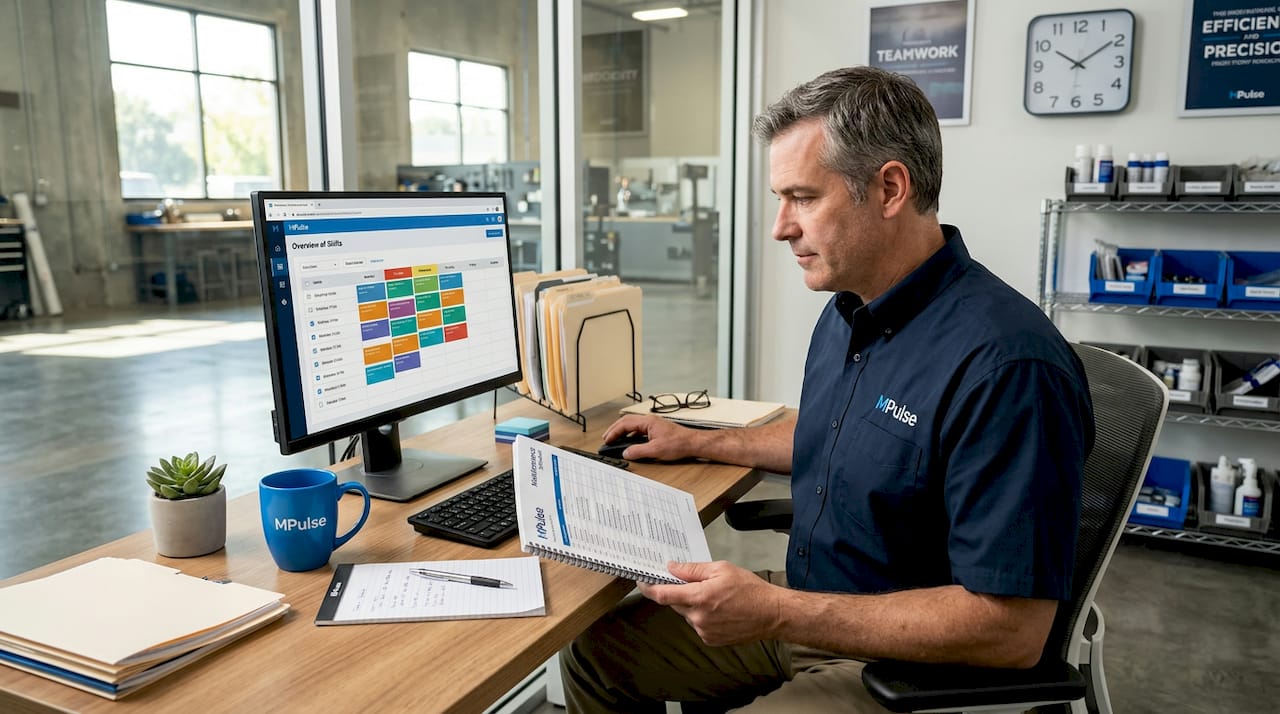
That was the situation facing Nate, a maintenance manager at a medium-sized healthcare facility in the Midwest. While Nate is relatively new to his job, his company was an early adopter of CMMS. So Nate is experiencing the benefits—and the challenges—of decisions made by someone else more than a decade ago.
“We’re upgrading some equipment and reconfiguring our office space,” he told me. “Which means now I have all this equipment that needs to go… well, somewhere.”
Asset Disposal Options
Asset disposal is inevitable. Nate has seven choices for each piece of equipment:
- Redeploying or reusing somewhere else in the organization
- Refurbishing or reconditioning equipment to extend the life cycle
- Participating in the manufacturer’s “buy-back” program, where available
- Selling on the open market or using an auction service (locally or online)
- Reclaiming or recycling
- Trading in the old equipment as part of the purchase of new equipment
- Sending it to a landfill.
The Value of CMMS Data
When it’s time to make the right choice for asset disposal, your CMMS data becomes very valuable. CMMS software can document the purchase price, the total cost of maintenance, and… with a few calculations, it’s value at the time of disposal.
Additionally, there’s the added benefit of providing all the maintenance records to the new owner—potentially increasing the sale price.
Thanks to some foresight on his predecessor’s part, Nate knows a lot about his assets: in-service dates, warranty information, original costs, etc. Additionally, he has years of maintenance data gathered with each work order as well as hazardous materials documentation.
“They did a great job of setting things up,” Nate said. “Plus, now I understand what I really need, so I can start now to make my job easier later on.”
Resale Value
In the future, Nate plans on using his CMMS data to calculate the total cost of ownership (TCO), which will help him forecast when it’s time to repair or replace equipment. His organization will benefit from these data-driven decisions that will minimize disposal costs as well as increase an asset’s potential resale value.
How could your organization benefit from CMMS software to manage the cradle-to-grave costs of your assets? Contact us. We can help.