Why Investing in Facility Maintenance Services Pays Off
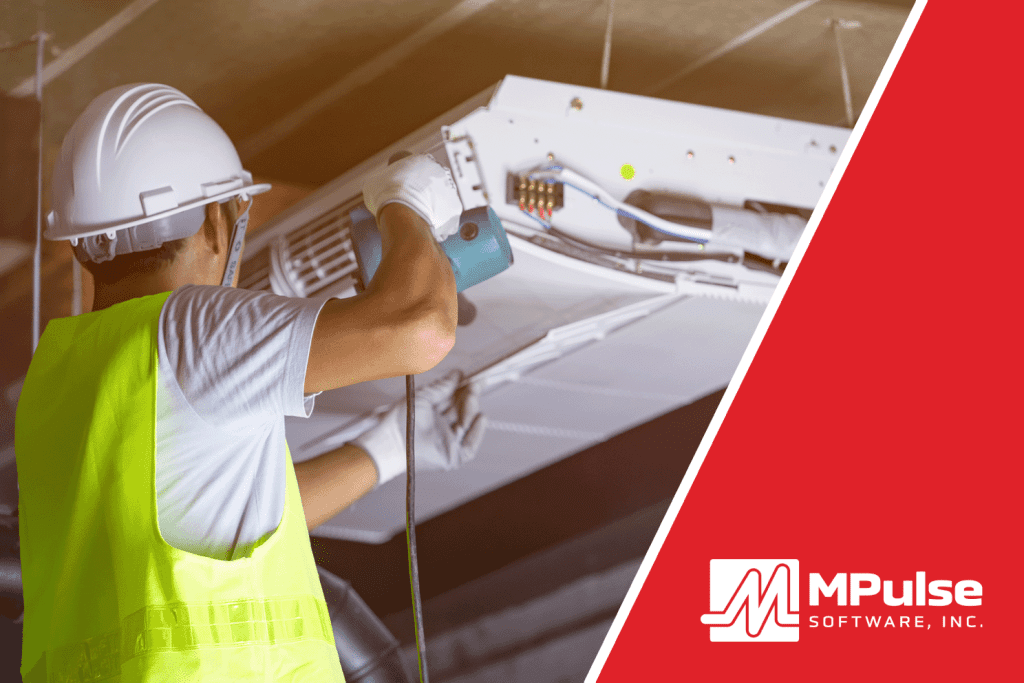
For organizations that own or manage buildings, investing in facility maintenance is often seen as a necessary expense. In reality, however, it’s a powerful long-term investment. When done strategically, maintaining your facilities can significantly reduce costs, extend asset life, and increase overall operational efficiency. The return on investment (ROI) from professional facility maintenance services goes far beyond avoiding breakdowns. It also contributes directly to safety, sustainability, and profitability. In this post, we’ll explore why investing in facility maintenance services pays off, how to measure ROI, and how tools like CMMS software make maintenance operations smarter and more cost effective. How Facility Maintenance Pays Off Facility maintenance keeps a building and its assets in peak working condition. These maintenance tasks include preventive maintenance, routine inspections, equipment repairs, and strategic asset management. The purpose of a facility maintenance program is to ensure safety, compliance, and efficiency while minimizing downtime and extending the life of valuable equipment. Improving facility maintenance services can transform daily operations and strengthen long-term ROI. The True Cost of Neglecting Building Maintenance It’s tempting to delay maintenance to save money in the short term. However, this approach almost always costs more later. Reactive maintenance can result in unplanned downtime, expensive emergency repairs, and even safety issues. Consider an HVAC system that receives no preventive care. A neglected air filter might lead to overworked motors, poor air quality, and higher energy bills. What could have been a simple, low-cost fix becomes a major repair or full system replacement. Studies consistently show that preventive facility maintenance costs far less than emergency repairs. According to industry benchmarks, every dollar spent on preventive maintenance can save up to five dollars in future repair and replacement costs. That’s a substantial ROI that directly impacts an organization’s bottom line. How Facility Maintenance Services Improve ROI Facility maintenance services deliver measurable financial benefits when executed strategically with CMMS software. Here’s how they increase ROI: The Long-Term Benefits of Proactive Facility Maintenance Investing in facility maintenance services is an investment in your organization’s future. By using CMMS software tools, organizations shift from a reactive approach to a proactive, data-driven facility maintenance strategy. As a result, you not only reduce downtime but also get the transparency needed to justify maintenance budgets and demonstrate ROI to stakeholders. A proactive maintenance strategy delivers lasting value by: When maintenance is planned and managed effectively, every dollar spent contributes to long-term performance, safety, and savings. Measuring ROI in Facility Maintenance To measure the ROI of facility maintenance, consider both direct and indirect benefits. Direct ROI includes measurable savings from reduced repair costs, extended equipment life, and lower energy use. Indirect ROI comes from improved uptime, fewer safety incidents, and enhanced tenant or employee satisfaction. By tracking metrics like work order completion times, maintenance costs per asset, and downtime hours, facility managers can clearly demonstrate how their maintenance programs contribute to the organization’s overall financial performance. Investing in Facility Maintenance = Strategic Advantage Too often, facility maintenance is treated as a background function rather than a strategic advantage. But when managed correctly, it becomes a key driver of efficiency, safety, and profitability. The ROI from investing in facility maintenance services is undeniable: fewer breakdowns, lower costs, longer-lasting assets, and improved compliance. Whether you manage a single building or an entire portfolio, prioritizing maintenance today means protecting your assets, your people, and your bottom line for years to come. Get started today. Contact us.
How CMMS in Facility Maintenance Improves Safety and Compliance

Keeping a building safe and up to code is one of the most important jobs for any facility manager. Whether it’s a school, hospital, office, or factory, people rely on these spaces to be safe, clean, and in good working order. But with so many schedules, inspections, and regulations, it can be tough to stay on top of everything. CMMS helps facility maintenance teams plan, track, and manage maintenance work. It doesn’t just save time. It also makes a big difference when it comes to safety and compliance. Let’s break down how. CMMS Helps Make Facility Safety a Priority Accidents often happen when small issues go unnoticed. Using CMMS in facility maintenance helps prevent issues by keeping track of maintenance tasks and scheduling reminders for maintenance teams. For example, if air conditioning unit in a school isn’t cleaned and serviced on time, it could spread dust, mold, or even break down in the middle of a heatwave. With CMMS, the system automatically creates a work order for routine cleaning and alerts the maintenance staff before the problem grows. By keeping equipment in good shape, facilities reduce risks like: When everything functions properly, the whole building becomes a safer place for the people inside. Staying Ahead of Compliance Every building has rules to follow. These regulations and compliance standards come from government agencies, safety boards, and industry groups. They might include fire safety codes, health inspections, or workplace safety standards from the Occupational Safety and Health Administration (OSHA). Failing to meet these standards can lead to big problems, like fines, lawsuits, or even being shut down. More importantly, it can put lives at risk. But CMMS can help. CMMS stores inspection dates and makes sure nothing is missed. Instead of relying on sticky notes, paper calendars, or memory, CMMS keeps all inspection dates in one place. It automatically schedules the next due date so teams don’t forget important tasks like fire alarm tests, elevator inspections, or water quality checks. You can keep records of all maintenance work for proof during audits. When inspectors ask for evidence, a CMMS makes it easy to pull up detailed reports. Every work order includes the date, technician’s name, and notes on the task. This process creates a digital paper trail that shows the facility followed the rules. Maintenance software sends alerts when compliance checks are due. CMMS doesn’t wait for someone to remember. It sends notifications ahead of time. That way, safety checks, certifications, and license renewals are never a surprise. Your team can track safety equipment tests. Items like fire extinguishers, sprinklers, and emergency lighting all have strict testing schedules. CMMS tracks when each test was last done and when it’s due again, making sure nothing slips through the cracks. Your organization can standardize procedures. With CMMS, managers can create step-by-step instructions for compliance tasks. As a result, every technician follows the same process, reducing mistakes and keeping work consistent across the whole team. CMMS provides digital access to regulations. Some CMMS platforms allow teams to upload compliance checklists or manuals directly into the system. That way, staff have the correct guidelines on hand while doing inspections. You can create easy-to-share reports. When leadership or inspectors need updates, CMMS can generate reports with a few clicks. These reports show proof of compliance and highlight areas that need improvement. Better Organization = Fewer Mistakes CMMS keeps everything in one central system. Work orders, inspection results, safety checks, and equipment manuals are all stored digitally. Everyone on the team can see what needs to be done and when. This ability reduces confusion and mistakes. For example, instead of three different people thinking someone else handled a fire extinguisher inspection, the CMMS shows exactly who did it, when it was done, and whether it passed or failed. Quick Response to Emergencies Even with great preventive maintenance, emergencies sometimes happen. When they do, a fast response makes all the difference. CMMS helps teams react quickly by allowing staff to submit emergency work orders from their phones, showing technicians where equipment is located and how to fix it, and tracking response times so managers can see how quickly problems are resolved. For example, if a water pipe bursts in an office, staff can immediately log it in the CMMS. The system alerts the right technician, who can see the repair history and get the job done faster. That prevents bigger damage and keeps the workplace safe. Creating a Culture of Accountability One of the biggest benefits of using a CMMS is accountability. When safety and compliance tasks are logged, tracked, and reported, everyone knows what they are responsible for. Managers can see which tasks are overdue, which ones are complete, and who handled them. Instead of rushing through jobs or skipping steps, technicians know their work matters to the bigger picture. Over time, this creates a culture where safety is not just a checklist, it’s part of daily operations. Long-Term Benefits of CMMS in Facility Maintenance Using a CMMS for safety and compliance isn’t just about avoiding accidents and fines today. It also builds long-term benefits for facilities. Benefit #1: Lower costs from fewer emergency repairs and legal issues. Emergency breakdowns are expensive. Not only do they require urgent labor and parts, but they often cause downtime that disrupts daily operations. On top of that, failing inspections or breaking safety rules can lead to fines or lawsuits. CMMS helps prevent these costs by scheduling preventive maintenance and keeping facilities in compliance, saving money over the long run. Benefit #2: Stronger reputation with staff, customers, and inspectors. People notice when a building is safe, clean, and well-maintained. Employees feel valued when they work in a safe environment, customers trust businesses that care about safety, and inspectors appreciate when a facility is organized and compliant. A good reputation builds confidence and strengthens relationships with everyone who interacts with the facility. Benefit #3: More reliable equipment that lasts longer and works better. Every piece of equipment has a lifespan, but proper
Maintenance Work Order Software: What It Is and Why It Matters

When something breaks in a building, maintenance techs need to figure out what needs fixing, where to find it, and when to repair it. Today, many businesses, schools, hospitals, and property managers use maintenance work order software to make this process easier, faster, and more reliable. Let’s explore what maintenance work order software is, how it works, and why it’s such an important tool. What Is a Work Order? A work order is a job request that explains what needs to be done, like… In the past, people wrote work orders on paper. A manager would write the request, hand it to a technician, and then wait for the job to be finished. The problem? Teams misplace paper, skip details, and find it hard to track completed work. That’s why more organizations now use CMMS to create maintenance work orders. How Maintenance Work Order Software Works Maintenance work order software is a computer program or app that organizes repair and upkeep tasks in one place. Instead of using sticky notes, phone calls, or spreadsheets, everything is logged into the system. Here’s how it works: Maintenance work order software turns a confusing pile of papers into a neat, digital list that everyone can see and use. Why Is Maintenance Work Order Software Helpful? Maintenance work order software saves time, money, and stress. Some of the biggest benefits include: Features to Look for in Maintenance Work Order Software If an organization is thinking about getting maintenance work order software, here are some features that are especially useful: Together, these tools make maintenance smarter, not harder. They also reduce downtime, save money, and extend the life of buildings and equipment. Why Maintenance Matters More Than Ever At the end of the day, maintenance isn’t just about fixing things. It’s also about keeping spaces safe, comfortable, and functional for the people who use them. Whether it’s a student in a classroom, a patient in a hospital, or a family in an apartment, maintenance work order software helps make sure everything runs smoothly behind the scenes. As buildings and machines become more advanced, keeping track of maintenance tasks by hand is almost impossible. However, work order software takes away the guesswork and helps teams stay on top of everything. By moving away from paper and embracing CMMS tools, organizations can stay organized, fix problems faster, and even prevent them before they happen. In today’s world, where time and money matter, that victory means a lot. Have questions? MPulse can help. Contact us.
Smart Ways to Schedule Maintenance with CMMS

When people schedule maintenance, they often imagine a simple calendar alert that tells you it’s time to change a filter or test the fire alarms. But in large buildings and facilities, scheduled maintenance requires a lot more than just a date on a calendar. Scheduling maintenance isn’t just about remembering to do something. It’s a smart way to keep buildings and equipment safe, working well, and running smoothly. Why Calendars Aren’t Enough In large buildings with lots of systems (like heating, cooling, lighting, and machines), a calendar isn’t enough. You can easily miss tasks or forget what happened and when. And if you don’t catch problems early, they can turn into big, expensive repairs. That’s why many building managers use CMMS. Why Scheduled Maintenance Really Matters Maintenance work order software helps teams track everything and make sure nothing is left out. Scheduled maintenance means checking, cleaning, or fixing equipment before it breaks. Here’s why it’s so important: How CMMS Helps You Schedule Maintenance Today, many building managers use CMMS software to plan and manage maintenance. This software does more than just send reminders. It can: Many CMMS tools also work on phones or tablets, so workers can get information and update jobs while they’re out in the field. Scheduled Maintenance Needs More Than a Calendar Reminder Good maintenance isn’t just about tools. It’s about teamwork. Everyone needs to understand why it matters. When building owners, managers, and workers all care about regular maintenance, buildings work better, last longer, and stay safer. Scheduled maintenance isn’t just a date on the calendar. It’s a smart way to keep buildings working properly. It saves money, prevents big problems, and helps everyone stay safe. Using software like a CMMS makes it easier to plan, track, and complete maintenance tasks the right way. Whether you’re running a school, office, or factory, staying ahead with scheduled maintenance is always the best choice. Instead of waiting for things to break, fix them before they do. Your building (and your budget) will thank you. MPulse can help you get started today. Contact us.
What Does CMMS Stand For? Here’s Why It Matters for Your Maintenance Team
If you’ve ever worked in facilities maintenance or manufacturing, chances are you’ve come across the acronym CMMS. But what exactly does it mean? CMMS Stands for Computerized Maintenance Management System In simple terms, CMMS is software that helps organizations keep track of their maintenance operations. That includes everything from scheduling routine tasks to tracking inventory, managing work orders, and analyzing performance metrics. A good CMMS acts like a hub for maintenance teams, centralizing information and streamlining communication. What Does a CMMS Do? CMMS can serve as your team’s digital toolbox. Modern CMMS platforms like MPulse are often cloud-based, mobile-friendly, and integrated with other systems like purchasing or asset management. Instead of relying on spreadsheets, paper checklists, or memory, you can use CMMS to: With everything in one place, your team saves time, avoids costly surprises, and keeps equipment running longer. Who Uses a CMMS? Nearly every industry uses CMMS software: manufacturing plants, hospitals, universities, hotels, property management companies, utilities, and local governments, just to name a few. Each of these sectors depends on complex systems and equipment that require regular maintenance to run efficiently and safely. For example, a hospital uses a CMMS to schedule inspections of life-saving medical devices and HVAC systems that control air quality. A university might rely on it to track maintenance across dozens of academic buildings, dormitories, and athletic facilities. Whether you’re overseeing a single location or managing a portfolio of properties spread across multiple cities, a CMMS brings organization, automation, and visibility to your operations. It helps small teams handle large workloads by streamlining requests, prioritizing tasks, and preventing issues before they turn into costly repairs. As a result, you can do more with fewer resources and less stress. CMMS is a Smarter Way to Manage Maintenance CMMS isn’t just software. It’s a smarter way to manage maintenance. If your team is juggling requests, dealing with frequent breakdowns, or struggling to get ahead of the backlog, implementing a CMMS could be a game-changer. And now that you know what CMMS stands for, you’re one step closer to understanding how it can work for you. Get started today. Contact us.
Best Practices for Scheduled Maintenance
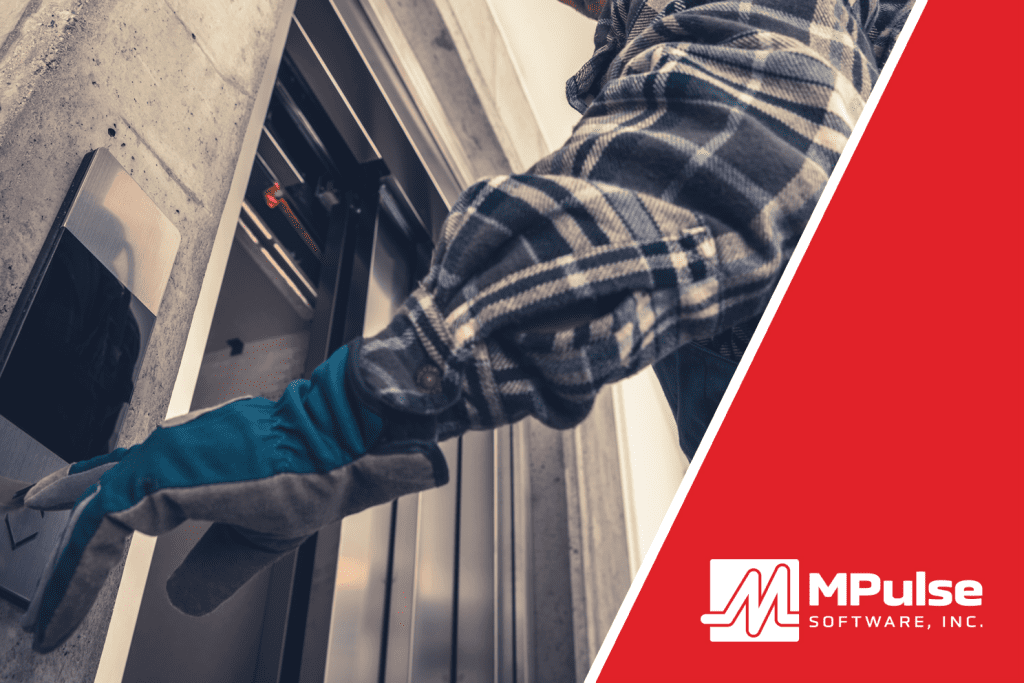
Using best practices for scheduled maintenance can help keep your equipment running efficiently, minimize downtime, and extend the life of your assets. Keeping your operations running smoothly requires more than just reacting to equipment failures. The most efficient organizations implement scheduled maintenance programs that proactively reduce downtime, prevent costly repairs, and extend asset lifespans. But building and managing such a program takes more than a calendar and sticky notes. It requires a robust CMMS. A well-implemented CMMS streamlines, automates, and organizes scheduled maintenance tasks. But to unlock its full potential, you’ll need to follow best practices for scheduled maintenance. These proven strategies will help you create a system that is proactive, consistent, and scalable. Establishing a Solid Scheduled Maintenance Program with CMMS Here are the top best practices for scheduled maintenance that will set your team up for long-term success: Begin with a Comprehensive Asset Inventory Before you can build a schedule, your CMMS must include a complete and accurate asset inventory. Document everything that requires routine maintenance: HVAC systems, production machinery, lighting, vehicles, plumbing, and more. Include essential details like make, model, location, serial number, warranty status, service history, and manufacturer-recommended intervals. This foundational step is one of the core best practices for scheduled maintenance because it ensures your schedule is data-driven and comprehensive. Pro tip: Tag critical or high-risk assets in your CMMS so you can prioritize them in your maintenance planning. Define Maintenance Types and Scheduling Intervals A solid maintenance program includes different types of scheduled tasks: Work with technicians and equipment manuals to determine the right intervals for each asset. One of the best practices for scheduled maintenance is letting your CMMS automate task creation based on these parameters, ensuring timely and consistent service. Automate Work Order Generation Once your maintenance schedules are set, leverage your CMMS to automate work order creation and assignment. This eliminates the risk of forgotten tasks and standardizes operations across your team and locations. Automation is a cornerstone of best practices for scheduled maintenance because it minimizes administrative overhead while increasing reliability and accountability. Include Detailed Procedures and Checklists Consistency is key to effective scheduled maintenance. Attach step-by-step instructions, safety protocols, diagrams, and checklists to each work order in your CMMS. This documentation ensures every technician performs the task correctly, regardless of experience or familiarity with the equipment. Standardizing procedures is one of the most overlooked best practices for scheduled maintenance, but it’s essential for quality control, compliance, and training. Optimize Labor and Resources Proper scheduling isn’t just about timing, it’s about capacity. Use your CMMS to view technician availability, skill sets, certifications, and workload. Avoid overbooking or assigning tasks to unqualified staff. Many CMMS platforms include tools to optimize scheduling based on your team’s availability and current workload, a tactic central to best practices for scheduled maintenance. Track Performance Metrics and KPIs Once your scheduled maintenance program is in place, monitor its performance. Use CMMS reporting tools to track KPIs such as: Analyzing these metrics will help you identify trends, spot weak points, and continuously improve your program. Regular performance reviews are one of the most important best practices for scheduled maintenance. Keep Inventory in Sync with Maintenance Plans Scheduled maintenance can grind to a halt if spare parts aren’t available. Use your CMMS to manage parts inventory—track usage, set minimum stock levels, and automate reorder alerts. Aligning inventory management with your maintenance schedule is a critical best practice for scheduled maintenance that prevents delays and ensures work can proceed as planned. Review and Adjust Schedules Regularly Scheduled maintenance is not static. Equipment ages, workloads shift, and new technologies emerge. Your CMMS should help you evaluate data trends and technician feedback to refine your maintenance intervals and procedures. Adopting a flexible, data-informed approach is one of the best practices for scheduled maintenance that keeps your program relevant and effective over time. Train Your Team on CMMS Use No matter how advanced your CMMS is, its success depends on the people using it. Make sure your team knows how to log work orders, follow checklists, and update asset records. Ongoing training and support are among the most essential best practices for scheduled maintenance, ensuring consistency, compliance, and full utilization of your CMMS investment. Enable Mobile Access for Technicians Modern CMMS platforms often offer mobile apps that allow technicians to view schedules, complete work orders, and access documentation from the field. This mobility reduces delays, improves data entry, and keeps your maintenance team agile and responsive. Mobile functionality isn’t just a convenience. It’s becoming one of the best practices for scheduled maintenance, especially for multisite or large-scale operations. Why Best Practices for Scheduled Maintenance Matter A well-designed scheduled maintenance program doesn’t just cut downtime. It creates a culture of proactive care, structured planning, and continuous improvement. Following these best practices for scheduled maintenance ensures your CMMS delivers measurable value in cost savings, asset longevity, team productivity, and operational efficiency. Whether you’re building a new program or fine-tuning an existing one, CMMS and a smart strategy can transform how you maintain your facilities and equipment. Ready to put these best practices into action? MPulse can help. Contact us to learn how a CMMS can take your scheduled maintenance to the next level.
Five Common Concerns Defense Contractors Have About Switching to a CMMS

Switching to a CMMS can offer numerous benefits in terms of improving maintenance efficiency and reducing costs. However, military and defense contractors often encounter some common concerns with this type of change. Putting a CMMS solution in place can seem like a daunting task. Defense contractors need to carefully plan the process. Understanding common concerns early on can help to minimize disruptions and streamline the transition. Common Concerns about Switching to a CMMS Consider these potential roadblocks when planning your switch to CMMS software. Integration with Existing Systems It’s likely your organization uses an assortment of systems to capture, store, and report on activities and transactions across the enterprise. One major concern is how well the CMMS will integrate with existing software and systems. Defense contractors often have complex IT infrastructures, and seamless integration with other systems, software, and tools is critical. Remember that while CMMS software holds clear advantages for the maintenance team, other departments can benefit as well. New data integration tools make integrating software across departments possible for a CMMS to share and receive data with other applications. Now you can easily link CMMS with other systems, such as ERP and accounting software, predictive maintenance monitors, building automation systems, and more. For example, MPulse DataLink Integration Adapter can meet virtually any data integration need, because it’s compatible with a wide array of file and data exchange formats. For example, you might want to integrate MPulse with spreadsheets, other databases, ERP systems, accounting systems, PLCs, electronic meters, and more. Data Security Security is a paramount concern for defense contractors, given the sensitive nature of their operations. You may worry about the security of data stored in maintenance software, as well as potential vulnerabilities in the software itself that could be exploited by malicious threats. For contractors working on classified projects, the CMMS needs to have the capability to handle and protect classified information appropriately. CMMS data is an organizational asset, and it needs to be protected like any other asset. You don’t hand the keys to your office over to just anyone—and you don’t want unauthorized access to your software either. That’s why MPulse supports SAML SSO, enabling its cloud-based CMMS software to integrate with security directories that determine who gets access to what computers, networks, applications, and services. No other third parties are required. Additionally, MPulse Role-Based Access Control helps you prevent unauthorized users from viewing or editing data, gain tighter control over data access, and eliminate unnecessary information. Compliance and Regulations Defense contractors are subject to strict regulations and compliance requirements. They need to ensure that the CMMS they choose complies with these regulations, including International Traffic in Arms Regulations (ITAR) and Export Administration Regulations (EAR) for export-controlled items. Customization of defense contractor maintenance software is the best way to match your organization’s workflows with your maintenance software. Defense contracts and regulations can change over time. Contractors need a CMMS that can adapt to these changes and stay compliant. The data you gather in your CMMS software should match what your organization wants to know. For example, if your organization uses special codes or tracks internal data, you need the appropriate tabs and fields in your CMMS database to collect that information. Make sure your software can be customized to meet your specific needs. Training and User Adoption Implementing a new CMMS involves training personnel to use the system effectively. A successful maintenance management program requires well-trained people and a solution set up right to work with your organization’s needs. Resistance to change and the time required for training can be concerns, as can ensuring that all employees are comfortable using the new software. CMMS training helps individuals and organizations adapt to change more effectively. Training provides individuals with the opportunity to acquire new skills and improve existing ones, whether that’s technical skills, soft skills, or specialized knowledge relevant to their field or industry. Proper training can enhance an individual’s ability to perform tasks efficiently and effectively, leading to increased productivity. Address any concerns by identifying training options that meet your organization’s goals and budget. Scalability and Customization Defense contractors need a system that can scale as your operations grow or change. Any fluctuations in the number of locations, employees, or service requesters can directly impact your existing systems, which need to scale appropriately. Additionally, military asset management often requires customization of the CMMS to fit specific processes. To address these concerns effectively, conduct a thorough evaluation of potential CMMS solutions. Involve key stakeholders in the decision-making process. Finally, develop a robust implementation plan that takes into account the unique needs and challenges of their operations. Ask questions about what you anticipate they’ll need in the future, as well as what they need today. Anticipating these common concerns can help you accelerate your software implementation and reduce your ramp-up time. Additionally, you can minimize disruptions and achieve a faster return on investment. Additionally, consulting with experts in IT security and compliance can help ensure a smooth transition to a CMMS. Have questions about switching to a CMMS? We have answers. Contact us for more information. Or get your free trial.