
How to Prioritize Maintenance Tasks So You Can Get Stuff Done
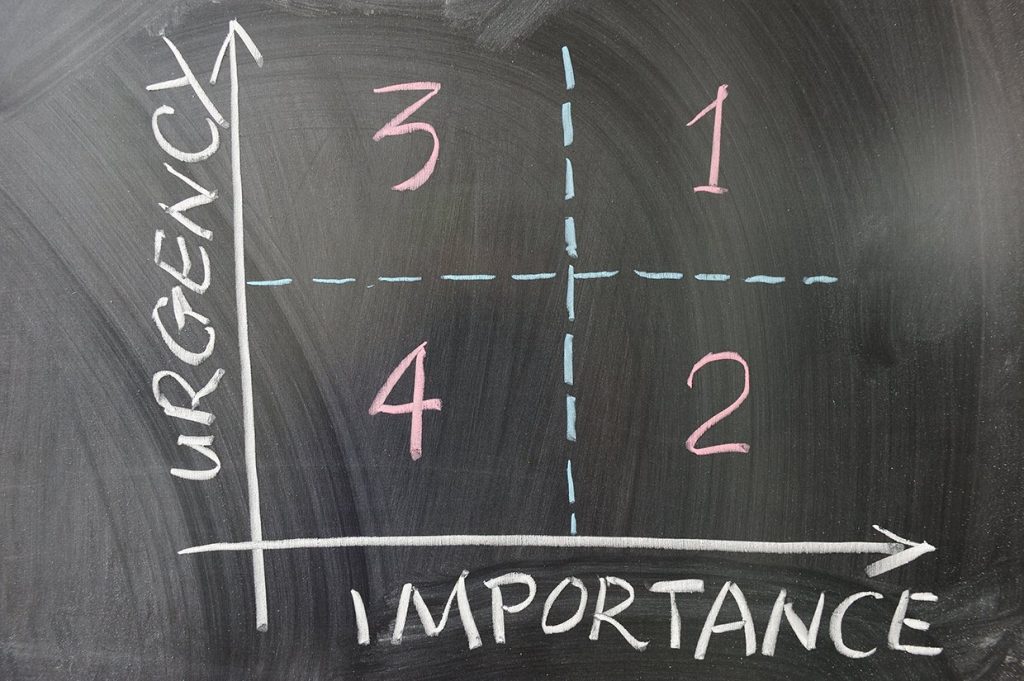
I planned my whole schedule today—a list of tasks and plenty of time to complete them all. Guess how many I finished? Yep. Zero. It wasn’t because I didn’t do anything. It was because my phone started ringing. Maintenance managers know what I’m talking about. Stuff happens. Emergencies come up. And we’ve all re-prioritized tasks based on who’s yelling the loudest. But as more maintenance departments move from a reactive to a proactive maintenance strategy (thanks to CMMS software), there’s less yelling because preventive maintenance means fewer emergencies and breakdowns. However, prioritizing your maintenance tasks becomes even more important. You want to get the important stuff done first, of course. However, you don’t want other things to slip through the cracks. So how do you prioritize your maintenance tasks? The Four Levels of Maintenance Tasks Priorities I start by categorizing maintenance tasks into one of four categories: Emergency tasks are urgent health/safety problems or operational disruptions. Some examples include loss of power or water supplies, HVAC failure, natural disasters, fire, key asset breakdowns, and major security problems. Obviously, those immediately go to the top of the list, no matter how long that list is. Next, you have high-priority tasks that will directly affect operations in the near future. These might include leaking roofs, high-use equipment that is not performing well, repairs to key assets, and safety inspections. Then comes the medium priority tasks, which typically include preventive maintenance schedules. These tasks will affect operations eventually and need to be performed to maintain optimum production. Examples include replacing filters, changing oil, checking belts, scheduling vendor services, etc. Last but not least, maintenance teams always have low-priority requests or tasks that need to be done as fill-in work but are not vital to day-to-day operations. These tasks might include non-critical repairs, furniture installation or replacement, decorative painting, etc. Priority Level Definition Typical Examples When It Should Be Done Priority 1: Emergency / Critical Tasks that pose immediate safety risks, cause production stoppage, or threaten asset failure. Safety hazards, equipment breakdowns, leaks, electrical faults. Immediately on same shift, often before anything else. Priority 2: High Priority Tasks that significantly impact operations or asset health but aren’t emergencies. Overdue PMs, issues that could become failures, compliance-related tasks. Within 24–72 hours, depending on risk and resources. Priority 3: Medium Priority Tasks that improve performance or reliability but have low operational impact. Minor repairs, adjustments, non-urgent PMs, cosmetic issues. Scheduled during normal workload or next available window. Priority 4: Low Priority / Nice-to-Have Tasks that don’t affect safety or operations and can be delayed without consequence. Painting, labeling, minor housekeeping, low-impact upgrades. As time allows, often grouped with other tasks. Calculate the Value of Maintenance Obviously, emergencies and breakdowns take precedence. But what about the rest? It’s not as simple as going down the list in order from high to low. Maintenance operations are far more complicated than that. Maintenance managers can start by understanding the value of each maintenance task. When I prioritize tasks, I’m looking at four things… Value to my organization Time to complete Proximity and/or location Potential loss if not completed. I use these four things as a proportional tool to figure out what needs to happen when. Obviously, value to the organization is a big part of the equation. You want to prioritize tasks on key assets that directly affect your operations. Next, estimate how much time each task will take. CMMS software provides historical information about time and costs, which will give you the information you need to make data-driven decisions. But if you’re new to the CMMS world, make an educated guess. Then, consider the proximity and/or location where the tasks take place. This factor is particularly important for organizations with large facilities, multiple locations, or off-site assets. Finally, consider the potential impact if not done. For example, what happens if you don’t change a component on time and the failure disrupts maintenance operations. You want to keep those lower-priority tasks from becoming high-priority or emergency situations. So how do you decide what to tackle first? I use a prioritization matrix. This simple scoring tool also helps maintenance teams rank work orders using consistent criteria. Instead of relying on gut instinct, the matrix provides a numerical score that shows which tasks should rise to the top. How the Matrix Works I evaluate each task across several factors. For each factor, you assign a: Score (typically 1–5) Weight (how important that factor is relative to the others). You multiply the score by the weight to get a weighted score. Next, add all weighted scores together to get the task’s total priority score. Higher scores indicate higher priority. Common Factors in a Maintenance Prioritization Matrix You also want to consider the following factors when prioritizing maintenance tasks: Asset Criticality: How essential the asset is to safety or operations Risk of Delay: What happens if the task is postponed Time to Complete: Short tasks may be bumped up as quick wins Proximity / Efficiency: Whether the technician is already near the asset Safety or Compliance Impact: Whether the task reduces risk or meets regulatory requirements. Example of a Prioritization Matrix This example shows how a prioritization matrix works. Factor Score (1–5) Weight Weighted Score Asset criticality 5 0.4 2.0 Time to complete 3 0.2 0.6 Proximity 4 0.1 0.4 Risk of delay 5 0.3 1.5 Total — — 4.5 A total score of 4.5 indicates a high-priority task. It’s not an emergency, but it should be scheduled soon to prevent operational or safety issues. This approach reduces arguments about what teams should do first, helps planners justify decisions to leadership, keeps technicians focused on the highest‑value work, and prevents low‑impact tasks from clogging the schedule. It also works effectively inside a CMMS, especially when automated. How Do I Prioritize Maintenance Tasks? Let’s look at some real-world scenarios. Combining Tasks. A key asset needs a major repair. Your tech is working on the same components that have a PM scheduled for next week. The