
How CMMS in Facility Maintenance Improves Safety and Compliance

Keeping a building safe and up to code is one of the most important jobs for any facility manager. Whether it’s a school, hospital, office, or factory, people rely on these spaces to be safe, clean, and in good working order. But with so many schedules, inspections, and regulations, it can be tough to stay on top of everything. CMMS helps facility maintenance teams plan, track, and manage maintenance work. It doesn’t just save time. It also makes a big difference when it comes to safety and compliance. Let’s break down how. CMMS Helps Make Facility Safety a Priority Accidents often happen when small issues go unnoticed. Using CMMS in facility maintenance helps prevent issues by keeping track of maintenance tasks and scheduling reminders for maintenance teams. For example, if air conditioning unit in a school isn’t cleaned and serviced on time, it could spread dust, mold, or even break down in the middle of a heatwave. With CMMS, the system automatically creates a work order for routine cleaning and alerts the maintenance staff before the problem grows. By keeping equipment in good shape, facilities reduce risks like: When everything functions properly, the whole building becomes a safer place for the people inside. Staying Ahead of Compliance Every building has rules to follow. These regulations and compliance standards come from government agencies, safety boards, and industry groups. They might include fire safety codes, health inspections, or workplace safety standards from the Occupational Safety and Health Administration (OSHA). Failing to meet these standards can lead to big problems, like fines, lawsuits, or even being shut down. More importantly, it can put lives at risk. But CMMS can help. CMMS stores inspection dates and makes sure nothing is missed. Instead of relying on sticky notes, paper calendars, or memory, CMMS keeps all inspection dates in one place. It automatically schedules the next due date so teams don’t forget important tasks like fire alarm tests, elevator inspections, or water quality checks. You can keep records of all maintenance work for proof during audits. When inspectors ask for evidence, a CMMS makes it easy to pull up detailed reports. Every work order includes the date, technician’s name, and notes on the task. This process creates a digital paper trail that shows the facility followed the rules. Maintenance software sends alerts when compliance checks are due. CMMS doesn’t wait for someone to remember. It sends notifications ahead of time. That way, safety checks, certifications, and license renewals are never a surprise. Your team can track safety equipment tests. Items like fire extinguishers, sprinklers, and emergency lighting all have strict testing schedules. CMMS tracks when each test was last done and when it’s due again, making sure nothing slips through the cracks. Your organization can standardize procedures. With CMMS, managers can create step-by-step instructions for compliance tasks. As a result, every technician follows the same process, reducing mistakes and keeping work consistent across the whole team. CMMS provides digital access to regulations. Some CMMS platforms allow teams to upload compliance checklists or manuals directly into the system. That way, staff have the correct guidelines on hand while doing inspections. You can create easy-to-share reports. When leadership or inspectors need updates, CMMS can generate reports with a few clicks. These reports show proof of compliance and highlight areas that need improvement. Better Organization = Fewer Mistakes CMMS keeps everything in one central system. Work orders, inspection results, safety checks, and equipment manuals are all stored digitally. Everyone on the team can see what needs to be done and when. This ability reduces confusion and mistakes. For example, instead of three different people thinking someone else handled a fire extinguisher inspection, the CMMS shows exactly who did it, when it was done, and whether it passed or failed. Quick Response to Emergencies Even with great preventive maintenance, emergencies sometimes happen. When they do, a fast response makes all the difference. CMMS helps teams react quickly by allowing staff to submit emergency work orders from their phones, showing technicians where equipment is located and how to fix it, and tracking response times so managers can see how quickly problems are resolved. For example, if a water pipe bursts in an office, staff can immediately log it in the CMMS. The system alerts the right technician, who can see the repair history and get the job done faster. That prevents bigger damage and keeps the workplace safe. Creating a Culture of Accountability One of the biggest benefits of using a CMMS is accountability. When safety and compliance tasks are logged, tracked, and reported, everyone knows what they are responsible for. Managers can see which tasks are overdue, which ones are complete, and who handled them. Instead of rushing through jobs or skipping steps, technicians know their work matters to the bigger picture. Over time, this creates a culture where safety is not just a checklist, it’s part of daily operations. Long-Term Benefits of CMMS in Facility Maintenance Using a CMMS for safety and compliance isn’t just about avoiding accidents and fines today. It also builds long-term benefits for facilities. Benefit #1: Lower costs from fewer emergency repairs and legal issues. Emergency breakdowns are expensive. Not only do they require urgent labor and parts, but they often cause downtime that disrupts daily operations. On top of that, failing inspections or breaking safety rules can lead to fines or lawsuits. CMMS helps prevent these costs by scheduling preventive maintenance and keeping facilities in compliance, saving money over the long run. Benefit #2: Stronger reputation with staff, customers, and inspectors. People notice when a building is safe, clean, and well-maintained. Employees feel valued when they work in a safe environment, customers trust businesses that care about safety, and inspectors appreciate when a facility is organized and compliant. A good reputation builds confidence and strengthens relationships with everyone who interacts with the facility. Benefit #3: More reliable equipment that lasts longer and works better. Every piece of equipment has a lifespan, but proper
Maintenance Work Order Software: What It Is and Why It Matters
When something breaks in a building, maintenance techs need to figure out what needs fixing, where to find it, and when to repair it. Today, many businesses, schools, hospitals, and property managers use maintenance work order software to make this process easier, faster, and more reliable. Let’s explore what maintenance work order software is, how it works, and why it’s such an important tool. What Is a Work Order? A work order is a job request that explains what needs to be done, like… In the past, people wrote work orders on paper. A manager would write the request, hand it to a technician, and then wait for the job to be finished. The problem? Teams misplace paper, skip details, and find it hard to track completed work. That’s why more organizations now use CMMS to create maintenance work orders. How Maintenance Work Order Software Works Maintenance work order software is a computer program or app that organizes repair and upkeep tasks in one place. Instead of using sticky notes, phone calls, or spreadsheets, everything is logged into the system. Here’s how it works: Maintenance work order software turns a confusing pile of papers into a neat, digital list that everyone can see and use. Why Is Maintenance Work Order Software Helpful? Maintenance work order software saves time, money, and stress. Some of the biggest benefits include: Features to Look for in Maintenance Work Order Software If an organization is thinking about getting maintenance work order software, here are some features that are especially useful: Together, these tools make maintenance smarter, not harder. They also reduce downtime, save money, and extend the life of buildings and equipment. Why Maintenance Matters More Than Ever At the end of the day, maintenance isn’t just about fixing things. It’s also about keeping spaces safe, comfortable, and functional for the people who use them. Whether it’s a student in a classroom, a patient in a hospital, or a family in an apartment, maintenance work order software helps make sure everything runs smoothly behind the scenes. As buildings and machines become more advanced, keeping track of maintenance tasks by hand is almost impossible. However, work order software takes away the guesswork and helps teams stay on top of everything. By moving away from paper and embracing CMMS tools, organizations can stay organized, fix problems faster, and even prevent them before they happen. In today’s world, where time and money matter, that victory means a lot. Have questions? MPulse can help. Contact us.
Smart Ways to Schedule Maintenance with CMMS
When people schedule maintenance, they often imagine a simple calendar alert that tells you it’s time to change a filter or test the fire alarms. But in large buildings and facilities, scheduled maintenance requires a lot more than just a date on a calendar. Scheduling maintenance isn’t just about remembering to do something. It’s a smart way to keep buildings and equipment safe, working well, and running smoothly. Why Calendars Aren’t Enough In large buildings with lots of systems (like heating, cooling, lighting, and machines), a calendar isn’t enough. You can easily miss tasks or forget what happened and when. And if you don’t catch problems early, they can turn into big, expensive repairs. That’s why many building managers use CMMS. Why Scheduled Maintenance Really Matters Maintenance work order software helps teams track everything and make sure nothing is left out. Scheduled maintenance means checking, cleaning, or fixing equipment before it breaks. Here’s why it’s so important: How CMMS Helps You Schedule Maintenance Today, many building managers use CMMS software to plan and manage maintenance. This software does more than just send reminders. It can: Many CMMS tools also work on phones or tablets, so workers can get information and update jobs while they’re out in the field. Scheduled Maintenance Needs More Than a Calendar Reminder Good maintenance isn’t just about tools. It’s about teamwork. Everyone needs to understand why it matters. When building owners, managers, and workers all care about regular maintenance, buildings work better, last longer, and stay safer. Scheduled maintenance isn’t just a date on the calendar. It’s a smart way to keep buildings working properly. It saves money, prevents big problems, and helps everyone stay safe. Using software like a CMMS makes it easier to plan, track, and complete maintenance tasks the right way. Whether you’re running a school, office, or factory, staying ahead with scheduled maintenance is always the best choice. Instead of waiting for things to break, fix them before they do. Your building (and your budget) will thank you. MPulse can help you get started today. Contact us.
Building Maintenance Mistakes That Cost You Time and Money
Building maintenance mistakes can cost a lot of time and money. If you don’t take care of systems like heating, air conditioning, plumbing, lights, and elevators, small problems can turn into big ones. And big problems cost a lot of time and money. Let’s look at some common building maintenance mistakes, and how to avoid them so everything runs smoothly and safely. Mistake #1: Waiting Until Something Breaks One of the most common building maintenance mistakes is waiting until something stops working before fixing it. We call this approach reactive maintenance. The problem? Waiting can lead to bigger damage. For example, if you wait to fix a leaking pipe, it could burst and flood a room. That’s a lot more expensive than just replacing a small part early. How to Avoid It:Do preventive maintenance by checking equipment regularly and fixing small problems before they become big ones. Use a schedule to make sure things like filters, belts, and fans get cleaned or replaced on time. Mistake #2: Not Keeping Records If you don’t keep track of when maintenance was done, you might forget important jobs. You could end up fixing the same problem more than once or missing something that needs attention. How to Avoid It:Document maintenance tasks in CMMS software like MPulse to record all work that gets done. Record the date, what was fixed, and who did the job. Keeping records helps you stay organized and gives you a history of each piece of equipment. Mistake #3: Ignoring Small Issues Sometimes, small issues like a strange noise in the air conditioner or a flickering light are ignored. But small problems often turn into bigger ones. A weird sound could mean a motor is wearing out. A flickering light might mean bad wiring. How to Avoid It:Pay attention to the small signs. Have workers or building users to report anything unusual via service requests. Fixing problems early is always cheaper and faster than waiting. Mistake #4: Using the Wrong Tools or Parts Trying to save money by using cheap or incorrect parts can cause damage later. The wrong part might not fit right or could wear out quickly. That leads to more repairs and more downtime. How to Avoid It:Always use the right tools and high-quality parts that match the equipment. It might cost a little more now, but it saves money in the long run by lasting longer and working better. Mistake #5: Skipping Regular Inspections If you don’t check systems regularly, you might miss warning signs. Things like dirty air filters, clogged drains, or loose wires can be spotted during an inspection before they cause trouble. How to Avoid It:Create a checklist and do regular inspections, maybe every week or month. Walk around the building and look at major systems. Check for leaks, odd smells, strange sounds, or signs of wear and tear. Mistake #6: Not Training Maintenance Staff If your maintenance team doesn’t have the right training, they might not know how to fix problems correctly. Not investing in your people could lead to poor repairs, more breakdowns, or even safety hazards. How to Avoid It:Make sure your team gets training on all the systems they’re responsible for. Send them to workshops, give them manuals, or use online videos to help them learn. A skilled team makes all the difference. Mistake #7: Poor Communication If no one knows who’s doing what or when, it can lead to confusion. Tasks get missed, jobs get repeated, or the wrong things get fixed. How to Avoid It:Use a system like CMMS software. Make sure everyone knows their tasks and reports back when they’re done. Why These Mistakes Matter Fixing broken equipment takes time. It can also interrupt daily activities, especially in places like schools or hospitals. Repairs often cost more than regular maintenance, especially if you have to bring in outside help or replace major systems. Even worse, poor maintenance can be dangerous. Broken lights, slippery floors, or faulty wires can cause accidents or fires. That’s why it’s important to avoid these mistakes before they lead to trouble. Avoid Building Maintenance Mistakes By Being Proactive Being proactive means solving problems before they start. Here are a few simple tips: Taking these steps will save you money, protect your building, and help everything run more smoothly. Maintenance might not always be exciting, but it’s super important. When you take care of a building the right way, everything lasts longer, works better, and stays safer. Building maintenance mistakes like waiting too long, skipping inspections, or using the wrong parts can cost time and money. But you can avoid them. By preparing and paying attention, you can keep your building in great shape for years to come. Get started today. Contact us.
How Building Maintenance Lowers Utility Bills
Keeping a building in good shape does more than just make it look nice. It helps your equipment work better, saves energy, and keeps you from wasting water or power. Large buildings (like schools, offices, stores, manufacturing facilities, and apartment complexes) can rack up big utility bills for electricity, water, gas, and trash services. Regular maintenance can play a big role in keeping those costs down. What Is Building Upkeep? Building upkeep means maintaining everything inside and outside the building. Maintenance tasks often include: When maintenance is done regularly, everything works the way it should. And, assets that work better translates into lower utility bills. How Building Maintenance Lowers Utility Bills Let’s look at how building maintenance lowers utility bills, so your organization can save money every month. 1. Fixing HVAC Leaks Saves Heating and Cooling Costs One of the biggest energy expenses in a building is keeping it warm in winter and cool in summer. But your building has leaks around windows, doors, or in the roof, all that heated or cooled air escapes outside. That means the heater or air conditioner has to work harder, using more energy. How building upkeep helps: Regular maintenance includes checking for air leaks and sealing them with caulk or weatherstripping. This preventive maintenance keeps the temperature steady and cuts down on how often the system needs to run. 2. Cleaning Air Filters Improves Efficiency HVAC systems have filters that catch dust and dirt. When these filters get clogged, the system has to work harder to push air through. This uses more electricity and can wear out parts faster. How building upkeep helps: Replacing or cleaning air filters every 1–3 months keeps air moving freely. That means better airflow, cleaner air, and lower energy bills. 3. Regular HVAC Checks Prevent Big Energy Waste HVAC systems are some of the biggest energy users in any building. When parts get old, broken, or out of balance, the system uses more power than it should. How building upkeep helps: A well-maintained HVAC system runs smoothly and uses less energy. Technicians can check for broken fans, low refrigerant, or blocked vents before they cause problems. 4. Upgrading to Energy-Efficient Lights Cuts Costs Old lights, especially fluorescent or incandescent bulbs, use a lot of energy. If lights are left on all day in offices, hallways, or bathrooms, the cost adds up fast. How upkeep helps: Maintenance teams can replace old bulbs with energy-saving LEDs. These lights use up to 80% less energy and last much longer. They can also install motion sensors, so lights turn off when no one is in the room. 5. Fixing Leaky Faucets and Toilets Saves Water A dripping faucet might not seem like a big deal, but it can waste hundreds of gallons of water every year. Leaky toilets can waste even more. And all that wasted water means a higher water bill. How upkeep helps: Regular plumbing checks can find and fix leaks quickly. This type of maintenance stops the waste and keeps your water bills under control. 6. Insulating Pipes and Water Heaters Saves Energy Hot water heaters and the pipes that carry hot water can lose heat if they’re not insulated. So, the water heater has to work harder to keep the water warm. How upkeep helps: Adding insulation to hot water pipes and the water heater tank reduces heat loss. As a result, you use less gas or electricity to heat the same amount of water. 7. Cleaning Vents and Ducts Helps Air Flow When vents and air ducts get dusty or blocked, air can’t move through the building properly. That makes the HVAC system work too hard, which uses more energy. How upkeep helps: By cleaning vents and ducts every year or two, you help the system work better. You also get cleaner air and a more comfortable building. 8. Using a Maintenance Schedule Prevents Surprises One of the best ways to keep your utility bills low is to stop small problems before they become big ones. A simple checklist or calendar can help. How upkeep helps: When building managers or maintenance staff follow a preventive maintenance schedule, everything works better. Plus, you avoid prevents surprise energy spikes on your bills. Real Savings Over Time Good maintenance helps equipment last longer. That means fewer repairs, fewer replacements, and less money spent in the long run. Lower utility bills also mean more money to spend on other important things, like upgrades, safety improvements, or expansions. Building upkeep isn’t just about fixing broken things. It’s about working smarter. When you take care of the heating, lights, plumbing, and air systems, you keep everything running smoothly and save money at the same time. So don’t wait until something breaks. Start a scheduled maintenance routine, and watch your bills shrink month by month. MPulse can help. Contact us.
What Does Preventive Maintenance Mean?
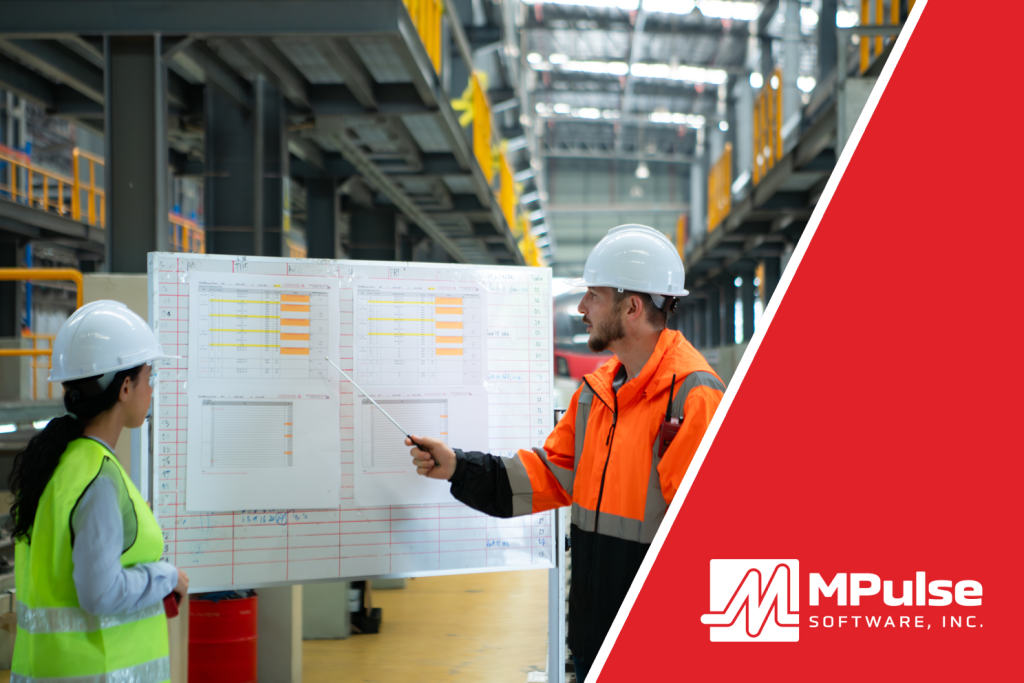
Preventive maintenance means taking care of equipment, systems, and facilities before problems happen. If you’ve ever had something break unexpectedly, you know the stress that comes with reactive repairs. Planned upkeep now helps you avoid big, unplanned expenses later. The Definition of Preventive Maintenance Preventive maintenance (PM) is the practice of performing regular, scheduled inspections and service on assets to keep them running efficiently and to prevent breakdowns. PM could mean lubricating machinery, replacing air filters, checking electrical connections, inspecting safety equipment, or testing alarms. The exact tasks and schedules depend on your organization, its assets, and operating conditions. Why Does Preventive Maintenance Matter? Preventive maintenance offers several benefits: The Role of CMMS For many organizations, the challenge is staying on top of when and how to do PM. That’s where CMMS software comes in. CMMS helps businesses plan, track, and manage their maintenance activities. With a CMMS, you can: Why Is Preventive Maintenance Important? Preventive maintenance is an investment in reliability, safety, and efficiency. It makes it easier to keep maintenance on schedule and your operations running smoothly. When paired with the right CMMS software, it’s easier to plan, track, and prove the value of your efforts. Instead of chasing problems, you can focus on keeping your operations running with fewer emergencies. MPulse can help. Get started today. Contact us.
What Does CMMS Stand For? Here’s Why It Matters for Your Maintenance Team
If you’ve ever worked in facilities maintenance or manufacturing, chances are you’ve come across the acronym CMMS. But what exactly does it mean? CMMS Stands for Computerized Maintenance Management System In simple terms, CMMS is software that helps organizations keep track of their maintenance operations. That includes everything from scheduling routine tasks to tracking inventory, managing work orders, and analyzing performance metrics. A good CMMS acts like a hub for maintenance teams, centralizing information and streamlining communication. What Does a CMMS Do? CMMS can serve as your team’s digital toolbox. Modern CMMS platforms like MPulse are often cloud-based, mobile-friendly, and integrated with other systems like purchasing or asset management. Instead of relying on spreadsheets, paper checklists, or memory, you can use CMMS to: With everything in one place, your team saves time, avoids costly surprises, and keeps equipment running longer. Who Uses a CMMS? Nearly every industry uses CMMS software: manufacturing plants, hospitals, universities, hotels, property management companies, utilities, and local governments, just to name a few. Each of these sectors depends on complex systems and equipment that require regular maintenance to run efficiently and safely. For example, a hospital uses a CMMS to schedule inspections of life-saving medical devices and HVAC systems that control air quality. A university might rely on it to track maintenance across dozens of academic buildings, dormitories, and athletic facilities. Whether you’re overseeing a single location or managing a portfolio of properties spread across multiple cities, a CMMS brings organization, automation, and visibility to your operations. It helps small teams handle large workloads by streamlining requests, prioritizing tasks, and preventing issues before they turn into costly repairs. As a result, you can do more with fewer resources and less stress. CMMS is a Smarter Way to Manage Maintenance CMMS isn’t just software. It’s a smarter way to manage maintenance. If your team is juggling requests, dealing with frequent breakdowns, or struggling to get ahead of the backlog, implementing a CMMS could be a game-changer. And now that you know what CMMS stands for, you’re one step closer to understanding how it can work for you. Get started today. Contact us.
How Scheduled Maintenance and CMMS Can Reduce Your Backlog
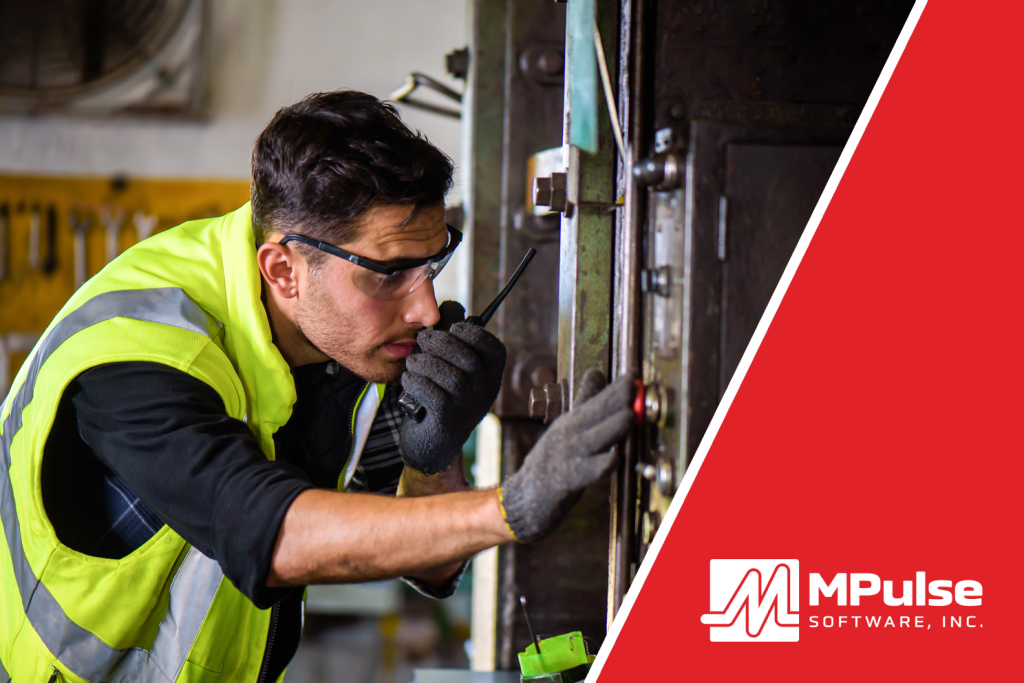
Backlogs are stressful. They slow your operations down, make your workers feel overwhelmed, and can lead to much bigger problems. But there’s a smart way to deal with it: scheduled maintenance. If you’ve worked on a maintenance team, you’ve probably heard someone say, “We’ll fix it when we get to it.” Over time, however, these small tasks can pile up. A broken light here, a leaky faucet there, or an HVAC system that’s not working well. These tasks become a backlog and cause more stress. But scheduled maintenance can actually help shrink your backlog, and maybe even prevent one in the future. What Is Scheduled Maintenance? Scheduled maintenance is when you plan ahead to take care of equipment, machines, or a building before things break. It includes things like: In contrast, many teams focus on reactive maintenance, where you wait until something breaks to fix it. Scheduled maintenance keeps things running smoothly and can stop your to-do list from growing out of control. How Backlogs Get Out of Hand Backlogs happen for a lot of reasons. Maybe your team is short-staffed. Maybe you don’t have a great system to track tasks. Or maybe you’ve been dealing with emergencies and haven’t had time for smaller jobs. But here’s the problem: when small tasks sit unfinished, they often turn into big repairs. A loose doorknob becomes a broken door. A dirty air filter causes the air conditioner to stop working. These larger repairs take more time, cost more money, and push everything else further down the list. How Scheduled Maintenance and CMMS Help Your Backlog 1. It Prevents New Problems from Piling Up The most effective way to prevent a backlog from growing is to minimize the number of new tasks coming in. Scheduled maintenance does just that. If you regularly check and clean equipment, fewer things break—and you have fewer new work orders coming in. For example, if you clean roof gutters every fall, you won’t have to deal with flooding or roof damage in the winter. That’s one less emergency to add to your already long list. 2. It Helps You Prioritize When you use a schedule, you know which tasks are coming and when, so your team can focus on what’s most important. Instead of jumping from one emergency to the next, you can plan and divide the work more evenly. Some scheduled maintenance tasks can even be done during slow times, like school holidays or weekends, so they don’t interfere with daily operations. 3. It Makes Time Management Easier A huge backlog can make your team feel like they’re always behind. But when tasks are spread out on a calendar with clear deadlines, the work feels more doable. Scheduled maintenance breaks big jobs into smaller steps. Instead of trying to fix everything at once, you chip away at the list a little at a time. Over time, you start to see real progress. 4. It Gives You Better Records CMMS tracks all work orders, equipment, and schedules. Using scheduled maintenance tools in CMMS helps you stay organized and shows you what’s already been done. When you can see your maintenance history, it’s easier to find repeat problems, plan your budget, and avoid doing the same work twice. That saves time and keeps the backlog from growing. 5. It Improves Communication A backlog often grows when no one knows who is supposed to do what. Scheduled maintenance and CMMS can clear up miscommunications. Tasks can be assigned ahead of time to the right people. Everyone knows their responsibilities, and there’s less confusion. Plus, with CMMS, everyone on your team can see what’s planned and what’s still left to do. 6. It Builds a Maintenance Routine When scheduled maintenance becomes a habit, your team gets into a routine. People start to expect certain tasks and plan for them. They may even catch problems before they’re added to the backlog at all. Good routines create a culture of responsibility. Workers begin to notice small issues and take care of them before they get worse. Stop Problems Before They Start Let’s say your team has 100 open work orders. If you do reactive maintenance only, that number might grow every week. But if you start scheduling regular tasks, like monthly HVAC checks, quarterly plumbing inspections, and bi-weekly filter changes, you’ll stop many problems before they even start. You’ll also get fewer emergency calls, which gives your team more time to focus on clearing out the old tasks. Over time, the backlog shrinks instead of grows. Scheduled Maintenance and CMMS Keep Backlogs Under Control A backlog doesn’t have to be permanent. With smart planning and regular upkeep, you can turn that long list of tasks into a manageable schedule. Scheduled maintenance and CMMS help stop new problems, reduce emergencies, and make your team’s work easier and more effective. Instead of falling behind, you stay ahead. And that helps everyone. So don’t wait for things to break. Make a schedule, stick to it, and take control of your building’s maintenance. Get started today. MPulse can help. Contact us.
Best Practices for Scheduled Maintenance
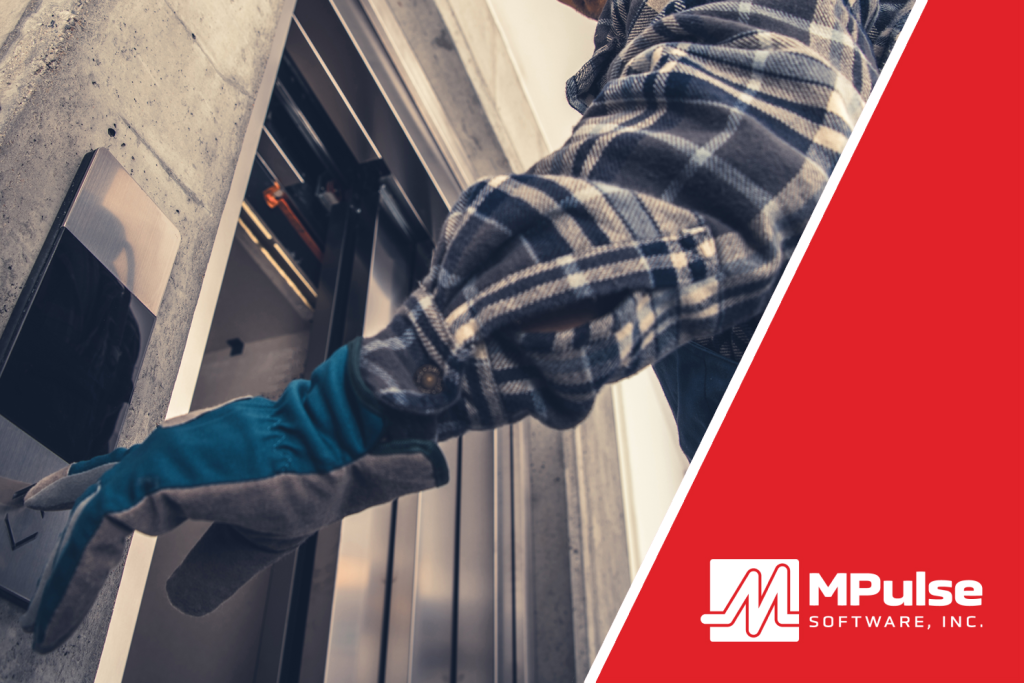
Using best practices for scheduled maintenance can help keep your equipment running efficiently, minimize downtime, and extend the life of your assets. Keeping your operations running smoothly requires more than just reacting to equipment failures. The most efficient organizations implement scheduled maintenance programs that proactively reduce downtime, prevent costly repairs, and extend asset lifespans. But building and managing such a program takes more than a calendar and sticky notes. It requires a robust CMMS. A well-implemented CMMS streamlines, automates, and organizes scheduled maintenance tasks. But to unlock its full potential, you’ll need to follow best practices for scheduled maintenance. These proven strategies will help you create a system that is proactive, consistent, and scalable. Establishing a Solid Scheduled Maintenance Program with CMMS Here are the top best practices for scheduled maintenance that will set your team up for long-term success: Begin with a Comprehensive Asset Inventory Before you can build a schedule, your CMMS must include a complete and accurate asset inventory. Document everything that requires routine maintenance: HVAC systems, production machinery, lighting, vehicles, plumbing, and more. Include essential details like make, model, location, serial number, warranty status, service history, and manufacturer-recommended intervals. This foundational step is one of the core best practices for scheduled maintenance because it ensures your schedule is data-driven and comprehensive. Pro tip: Tag critical or high-risk assets in your CMMS so you can prioritize them in your maintenance planning. Define Maintenance Types and Scheduling Intervals A solid maintenance program includes different types of scheduled tasks: Work with technicians and equipment manuals to determine the right intervals for each asset. One of the best practices for scheduled maintenance is letting your CMMS automate task creation based on these parameters, ensuring timely and consistent service. Automate Work Order Generation Once your maintenance schedules are set, leverage your CMMS to automate work order creation and assignment. This eliminates the risk of forgotten tasks and standardizes operations across your team and locations. Automation is a cornerstone of best practices for scheduled maintenance because it minimizes administrative overhead while increasing reliability and accountability. Include Detailed Procedures and Checklists Consistency is key to effective scheduled maintenance. Attach step-by-step instructions, safety protocols, diagrams, and checklists to each work order in your CMMS. This documentation ensures every technician performs the task correctly, regardless of experience or familiarity with the equipment. Standardizing procedures is one of the most overlooked best practices for scheduled maintenance, but it’s essential for quality control, compliance, and training. Optimize Labor and Resources Proper scheduling isn’t just about timing, it’s about capacity. Use your CMMS to view technician availability, skill sets, certifications, and workload. Avoid overbooking or assigning tasks to unqualified staff. Many CMMS platforms include tools to optimize scheduling based on your team’s availability and current workload, a tactic central to best practices for scheduled maintenance. Track Performance Metrics and KPIs Once your scheduled maintenance program is in place, monitor its performance. Use CMMS reporting tools to track KPIs such as: Analyzing these metrics will help you identify trends, spot weak points, and continuously improve your program. Regular performance reviews are one of the most important best practices for scheduled maintenance. Keep Inventory in Sync with Maintenance Plans Scheduled maintenance can grind to a halt if spare parts aren’t available. Use your CMMS to manage parts inventory—track usage, set minimum stock levels, and automate reorder alerts. Aligning inventory management with your maintenance schedule is a critical best practice for scheduled maintenance that prevents delays and ensures work can proceed as planned. Review and Adjust Schedules Regularly Scheduled maintenance is not static. Equipment ages, workloads shift, and new technologies emerge. Your CMMS should help you evaluate data trends and technician feedback to refine your maintenance intervals and procedures. Adopting a flexible, data-informed approach is one of the best practices for scheduled maintenance that keeps your program relevant and effective over time. Train Your Team on CMMS Use No matter how advanced your CMMS is, its success depends on the people using it. Make sure your team knows how to log work orders, follow checklists, and update asset records. Ongoing training and support are among the most essential best practices for scheduled maintenance, ensuring consistency, compliance, and full utilization of your CMMS investment. Enable Mobile Access for Technicians Modern CMMS platforms often offer mobile apps that allow technicians to view schedules, complete work orders, and access documentation from the field. This mobility reduces delays, improves data entry, and keeps your maintenance team agile and responsive. Mobile functionality isn’t just a convenience. It’s becoming one of the best practices for scheduled maintenance, especially for multisite or large-scale operations. Why Best Practices for Scheduled Maintenance Matter A well-designed scheduled maintenance program doesn’t just cut downtime. It creates a culture of proactive care, structured planning, and continuous improvement. Following these best practices for scheduled maintenance ensures your CMMS delivers measurable value in cost savings, asset longevity, team productivity, and operational efficiency. Whether you’re building a new program or fine-tuning an existing one, CMMS and a smart strategy can transform how you maintain your facilities and equipment. Ready to put these best practices into action? MPulse can help. Contact us to learn how a CMMS can take your scheduled maintenance to the next level.
Stay on Top of Building Maintenance with Mobile CMMS

Mobile CMMS tools are changing the game for building maintenance. With mobile access to maintenance data, work orders, and asset histories, facility managers and technicians can respond faster, stay organized, and keep operations running smoothly, no matter where they are. Staying on top of building maintenance is no small task—especially when you’re juggling multiple properties, teams, and unexpected repairs. That’s where mobile CMMS helps, one tap at a time. Goodbye Clipboards, Hello Smartphones Let’s face it—paper checklists and scribbled notes don’t cut it anymore. With a mobile CMMS, your maintenance team trades clipboards for smartphones or tablets, giving them everything they need in the palm of their hands. Work orders, asset histories, photos, manuals—it’s all just a few taps away. Real-Time Updates, Right Where You Are Got a leak on the fifth floor? Your technician can receive an alert, head to the site, log the issue, take a photo, and then update the work order in real time. No detours to the office. No paperwork left behind. Everyone stays in the loop—from facilities managers to technicians to tenants—without playing phone tag. Offline Access Keeps the Work Flowing No Wi-Fi? No problem. Many mobile CMMS platforms let users work offline and sync updates once they’re back online. So whether your team is in the boiler room, a basement, or a far corner of a sprawling campus, maintenance doesn’t have to stop just because the internet did. Smart Scheduling and Smarter Workflows A mobile CMMS isn’t just about emergency fixes—it shines when it comes to preventive maintenance. Teams get scheduled task reminders right on their devices, along with step-by-step instructions and safety checklists. It cuts down on missed inspections and makes sure things are done right the first time. Track, Report, and Use Your Data Every job logged on the app adds to a growing pool of data that helps your team spot patterns, plan budgets, and make informed decisions. Plus, those before-and-after photos and timestamps? Great for showing clients, tenants, or upper management that your team’s on top of it. Stay Top of Building Maintenance with Mobile CMMS In the world of building maintenance, timing is everything. Whether it’s a busted pipe, a finicky HVAC unit, or an elevator acting up right before a big event, delays can cost you—both in dollars and reputation. Mobile CMMS isn’t just a trend—it’s quickly becoming the standard for efficient, effective building maintenance. It keeps your team connected, your tasks on track, and your building running like a well-oiled machine. Because in maintenance, being mobile doesn’t just mean moving fast—it means staying ready. Give your crew the tools to get the job done. Contact us to get started today.