
Condition-Based Maintenance That Starts With the Meter
A calendar does not know how hard the machine worked last month. MPACT CMMS by MPulse Software triggers scheduled maintenance from cumulative meters, so the pump that ran 900 hours gets serviced and the one that ran 90 does not.
What Is Condition-Based Maintenance?
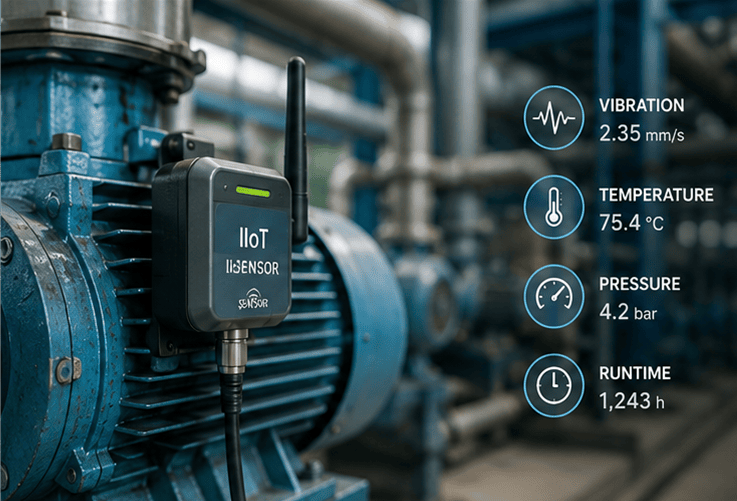
Condition-based maintenance schedules work from the state of the asset instead of from a date on a calendar. The most common and most reliable version of it runs on meters: runtime hours, mileage, cycle counts, throughput. In MPACT, a cumulative meter reaching its interval converts the scheduled maintenance into a live work order and notifies the assigned tech. Condition readings like temperature, vibration, and pressure are captured and displayed on the asset record.
Let the Equipment Set the Interval
Cumulative meters trigger the work
Readings from people or from machines
Condition data lives on the asset
The work order writes itself
Frequently Asked Questions About Condition-Based Maintenance
Can MPACT open a work order when a cumulative meter reading reading goes over an interval?
Yes. Cumulative meters are a different story. A runtime, mileage, or cycle count meter hitting its interval auto-converts the scheduled maintenance into a work order and notifies the assigned tech, with no one touching it.
Where do meter readings come from?
Either a person or a machine. Technicians enter readings in the field, and MPACT’s documented REST API accepts readings from sensors, PLCs, ERP systems, and building automation. Most operations run both.
Is this the same as predictive maintenance?
No. Predictive maintenance forecasts a failure before the data shows a problem. Condition-based maintenance acts on what the data already shows. MPACT does the second one, and does it on meters you can verify.
Bring Your Meter Intervals
Tell us how you service your hardest-working asset today. We will build it as an MPACT meter schedule in the demo.