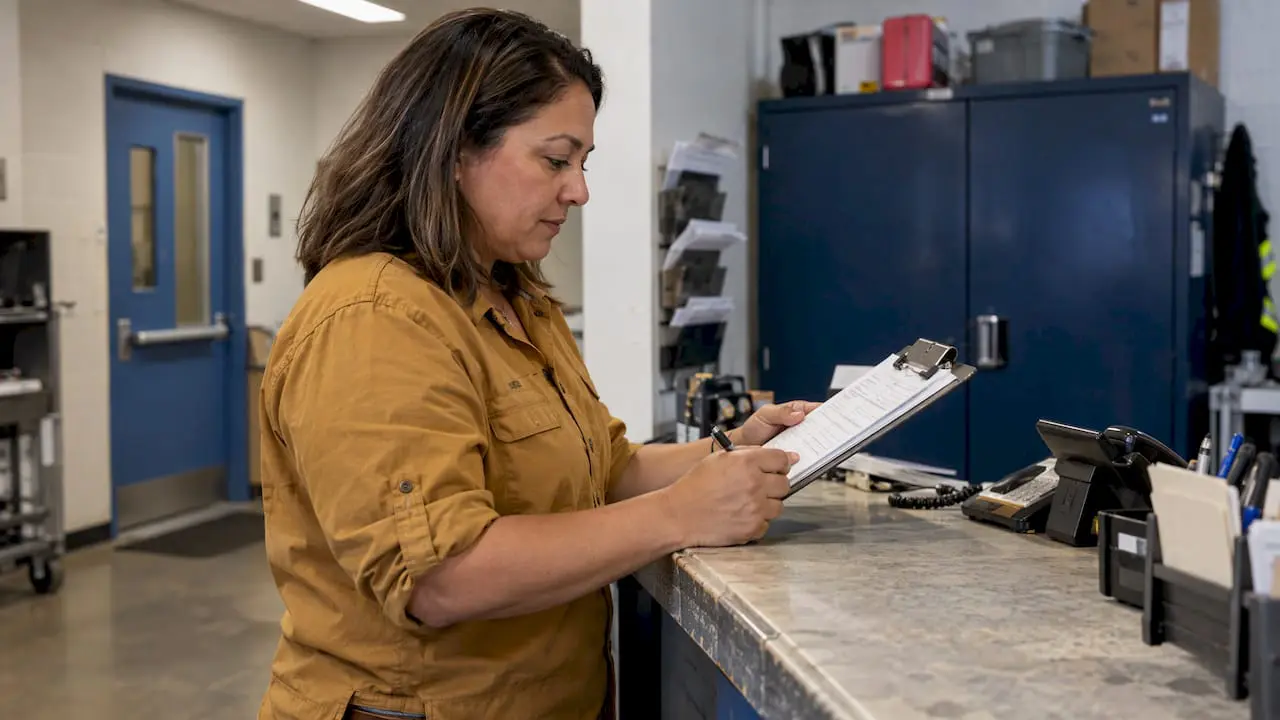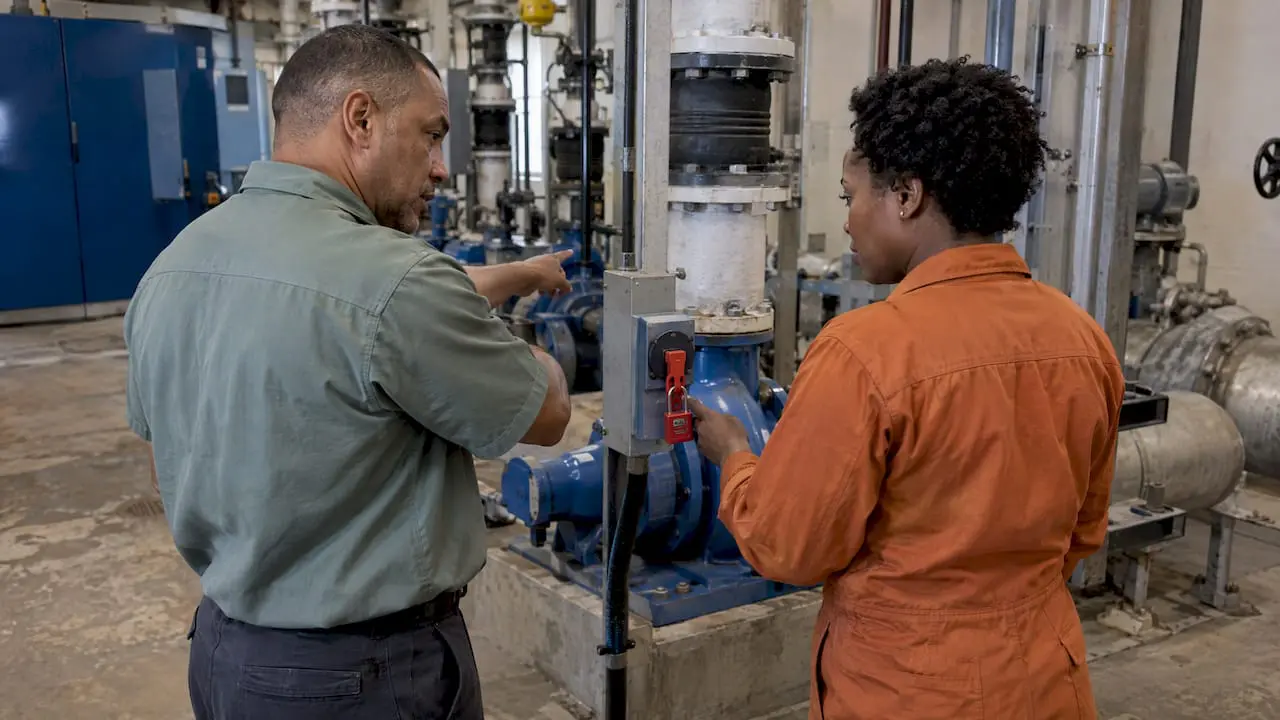

The health of your equipment directly affects your maintenance workload. Unanticipated breakdowns mean a loss of productivity—and more work for the maintenance team. Do you know how to monitor equipment health?
Monitoring equipment health is the next step up from scheduled preventive maintenance, helping you prevent those breakdowns and reduce stress levels in your department. For the fundamentals, see equipment maintenance basics. Every work order, part, meter reading, and downtime entry lands on the asset record in MPACT. See asset hierarchies organized by site, line, and machine.
So how healthy is your equipment?
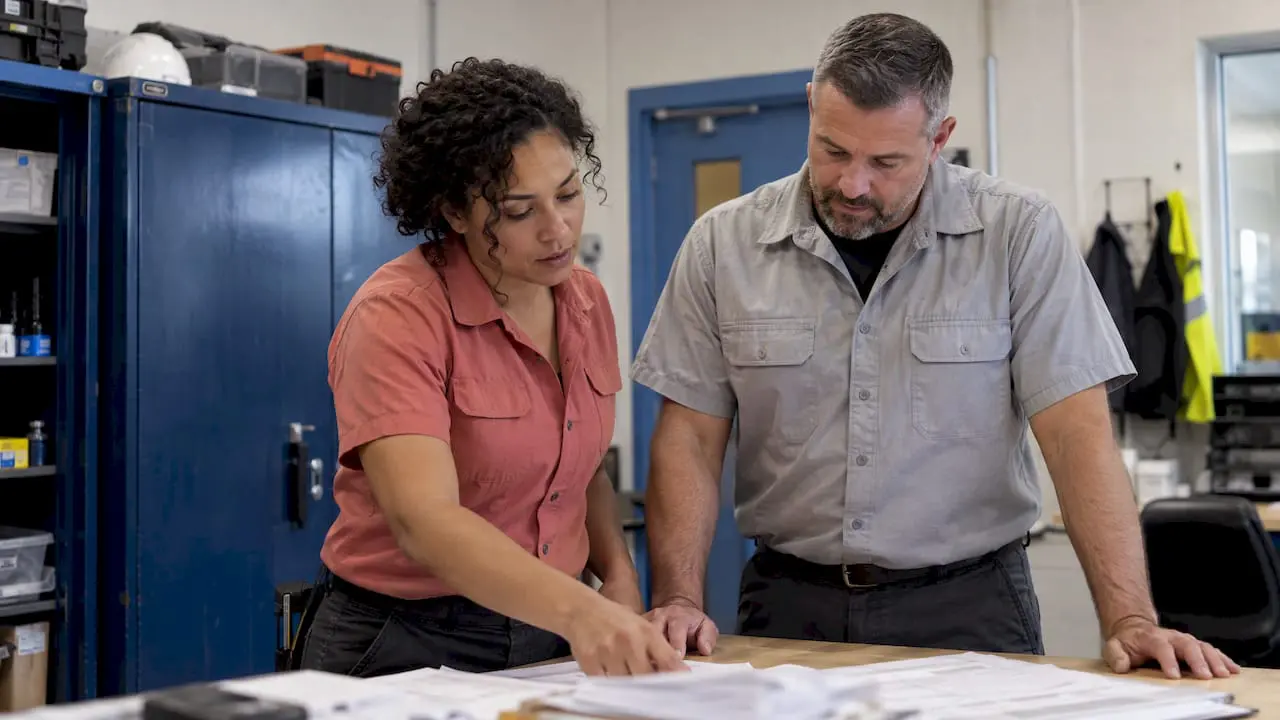
A quick review of work orders will give you a big clue. What assets are breaking down and halting production? If you’ve already invested in CMMS software, a simple report can show you which assets you spend the most time and money on. Start with this list to make the biggest impact as soon as possible. See also: Create CMMS Asset Records with Ease, Embed Asset Criticality in CMMS for Maintenance Teams in 90 Days, and How CMMS Software Helps with Asset Disposal.
Automated Data Integration
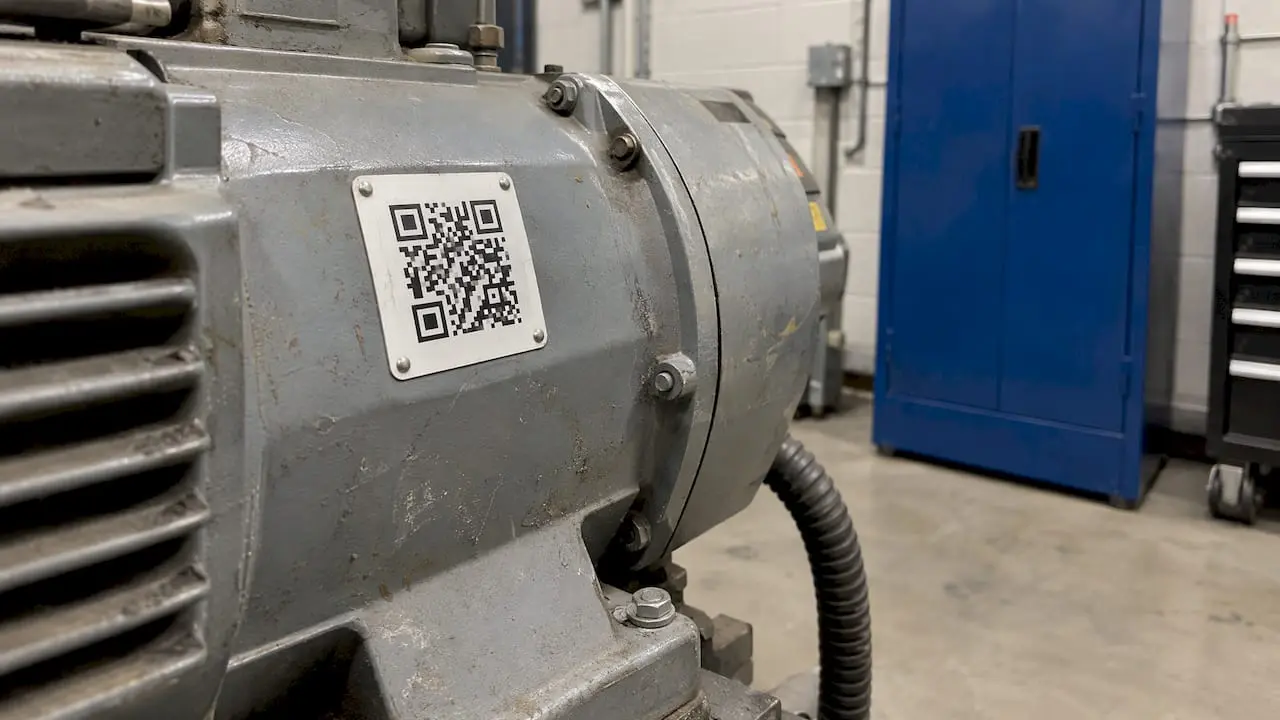
You may already be gathering equipment data manually—things like usage hours, mileage, pressure, vibration readings, etc. But your goal should be to reduce or eliminate as much manual data collection as possible by getting real-time information about how your equipment is performing.
[related-content]
Technology is your best resource here. For example, the MPulse Datalink Integration Adapter collects data from building automation systems (BAS), pressure gauges, heat sensors, vibration monitors, and virtually any digital measurement devices throughout your environment, and sends that data to your MPulse CMMS database. (Learn how MPulse customers are using DataLink here.)
You might have heard of this system called the Industrial Internet of Things (IIoT), or the Building Internet of Things (BIoT) in the facilities world, which describes systems that gather information directly from multiple devices. Using that data, you can implement condition-based monitoring—one of the best ways to measure the health of your equipment.
Condition-Based Monitoring
MPulse Condition-Based Monitoring (CBM) allows you to track unlimited gauges and meters on every asset, and to set upper and lower threshold alerts and alarms. CBM also enables you to trend that data in reports so you can monitor asset performance over time.
Staying on top of the health of your equipment with condition-based monitoring helps your maintenance department by enabling…
- Faster response times with automated alerts
- Reduced staffing and overtime
- Fewer errors due to manual data entry
- Time-series charting to spot trends
- Reduced data input redundancy
- The ability to grow with your company’s changing technologies
Equipment health affects your organization’s quality, productivity, availability, capacity, risk, costs, and safety. Those are good reasons to start monitoring the health of your equipment.
We can help. Contact us to learn more about how easy it is to monitor equipment health with MPulse Maintenance Software.