
Preventive maintenance serves as the backbone of reliable operations. But reducing breakdowns isn’t a single strategy. It’s a spectrum of approaches suited to different asset types, risk levels, and operational realities. However, the goal is the same: prevent failures before they happen.
The four major types of preventive maintenance are time‑based, usage‑based, condition‑based, and predictive. Understanding how they differ helps teams build smarter, more efficient maintenance programs.
This blog explains the four types of preventive maintenance and how a modern CMMS supports each one.
Preventive Maintenance Type #1: Time‑Based Maintenance
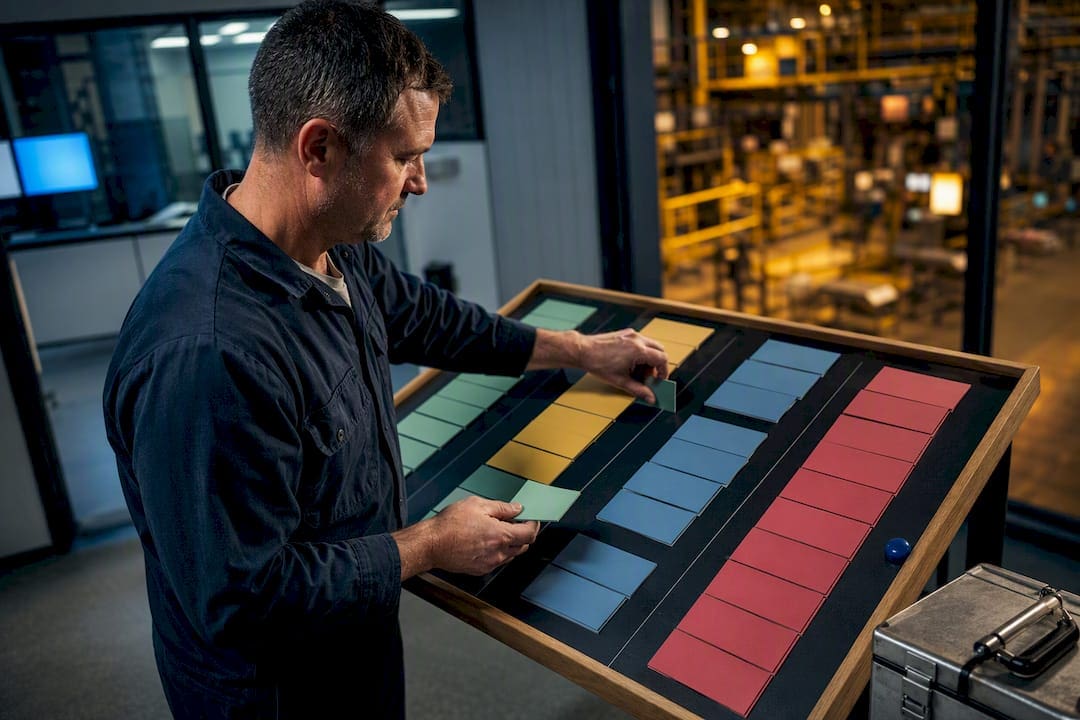
Time‑based maintenance is the most traditional and widely recognized form of preventive maintenance. In this approach, maintenance tasks are performed at fixed, predetermined intervals (i.e., monthly, quarterly, or annually) regardless of how often the asset has been used or whether it shows signs of wear. The goal is simple: prevent failures by maintaining equipment on a routine schedule.
This approach works well for assets that wear down in predictable ways or must be serviced at set intervals by regulation. Because it doesn’t depend on real‑time performance data, it’s simple to use and often forms the basis of a preventive maintenance program.
When It Works Best
- Assets that wear down in predictable ways, where scheduled service reliably prevents failures.
- Equipment that must be serviced at fixed intervals by regulation, such as fire systems, elevators, or medical devices.
- Lower‑criticality assets where extra maintenance is acceptable and routine service costs less than the risk of unexpected downtime.
How CMMS Strengthens Time‑Based Maintenance
CMMS makes time‑based maintenance more consistent by automating the planning and administrative work that usually slows teams down. Instead of relying on spreadsheets, paper logs, or memory, it keeps every task scheduled, tracked, and documented.
With CMMS, teams can:
- Set recurring work orders with automatic reminders, so nothing gets missed and schedules stay on track.
- Standardize procedures and checklists, helping teams work consistently and maintain quality.
- Monitor completed and overdue tasks, giving managers visibility into compliance and workload.
- Keep a digital audit trail for compliance, which is especially important in regulated industries and makes inspections easier.
By centralizing scheduling and documentation, time‑based maintenance becomes more reliable and far less manual. CMMS cuts administrative work and helps organizations carry out time-based maintenance with greater accuracy, consistency, and accountability.
Preventive Maintenance Type #2: Usage‑Based Maintenance
Usage‑based maintenance shifts the focus from the calendar to the actual workload. Instead of servicing equipment after a specific time, usage-based maintenance triggers tasks when an asset reaches a threshold such as operating hours, cycle counts, mileage, or production output. This approach aligns maintenance with real wear and tear, making it more precise and cost‑effective.
Usage-based maintenance becomes especially for equipment with fluctuating usage. Some assets run continuously, while others may operate only during peak demand. Treating them the same leads to unnecessary maintenance on lightly used equipment and delayed service on heavily used machinery. Usage‑based maintenance solves this problem by tying service directly to how hard an asset is working.
When It Works Best
- Equipment with variable workloads, where runtime or output changes day‑to‑day or season‑to‑season.
- Assets where wear correlates directly with usage, making usage a more accurate predictor of failure than time.
- Fleets, pumps, compressors, HVAC systems, and production machinery, which often have clear usage metrics and benefit from maintenance tied to operational intensity.
How CMMS Strengthens Usage‑Based Maintenance
CMMS elevates usage-based maintenance from a manual process to a streamlined, automated strategy. By connecting usage data directly to maintenance triggers, CMMS ensures that service happens at the right moment. Tasks are scheduled not too early, but also not too late.
With CMMS, teams can:
- Automate work orders based on meter readings or runtime, removing the need for manual tracking or guesswork.
- Connect IoT sensors or BMS/SCADA systems for real‑time data, so maintenance triggers match actual operating conditions.
- Avoid both under‑ and over‑maintenance, improving labor use, parts planning, and asset uptime.
- Analyze usage patterns to refine service intervals, improving accuracy over time and supporting continuous improvement.
With CMMS, usage‑based maintenance becomes dynamic, data‑driven, and far more reliable than reactive or calendar‑based approaches. It empowers teams to service assets exactly when needed. As a result, it maximizes uptime while minimizing unnecessary work.
Preventive Maintenance Type #3: Condition‑Based Maintenance (CBM)
Condition‑based maintenance uses a more responsive, data‑driven approach than traditional preventive maintenance. Instead of servicing equipment on a fixed schedule, CBM relies on real‑time or regularly collected indicators of asset health. Work happens only when the data shows declining performance or a likely failure, helping teams act at the right moment to avoid both unnecessary tasks and costly breakdowns.
CBM works for critical assets where small performance changes can signal bigger problems. By tracking factors like vibration, temperature, pressure, noise, lubrication quality, or electrical load, teams can spot early warning signs well before a failure happens. This approach makes CBM an effective way to boost reliability, extend asset life, and reduce unplanned downtime.
When It Works Best
- Assets with measurable performance indicators, where sensors or inspections can reliably detect changes in condition.
- Equipment where failures are costly or dangerous, such as boilers, chillers, production machinery, or high‑voltage systems.
- Systems that benefit from early detection, including those monitored through vibration analysis, thermal imaging, pressure readings, acoustic monitoring, or oil analysis.
How CMMS Strengthens Condition‑Based Maintenance
CMMS transforms CBM from a manual, data‑heavy process into an automated workflow. By serving as the central hub for all condition data, CMMS ensures that insights don’t get lost in spreadsheets, emails, or paper logs. As a result, the right actions happen at the right time.
With CMMS, teams can:
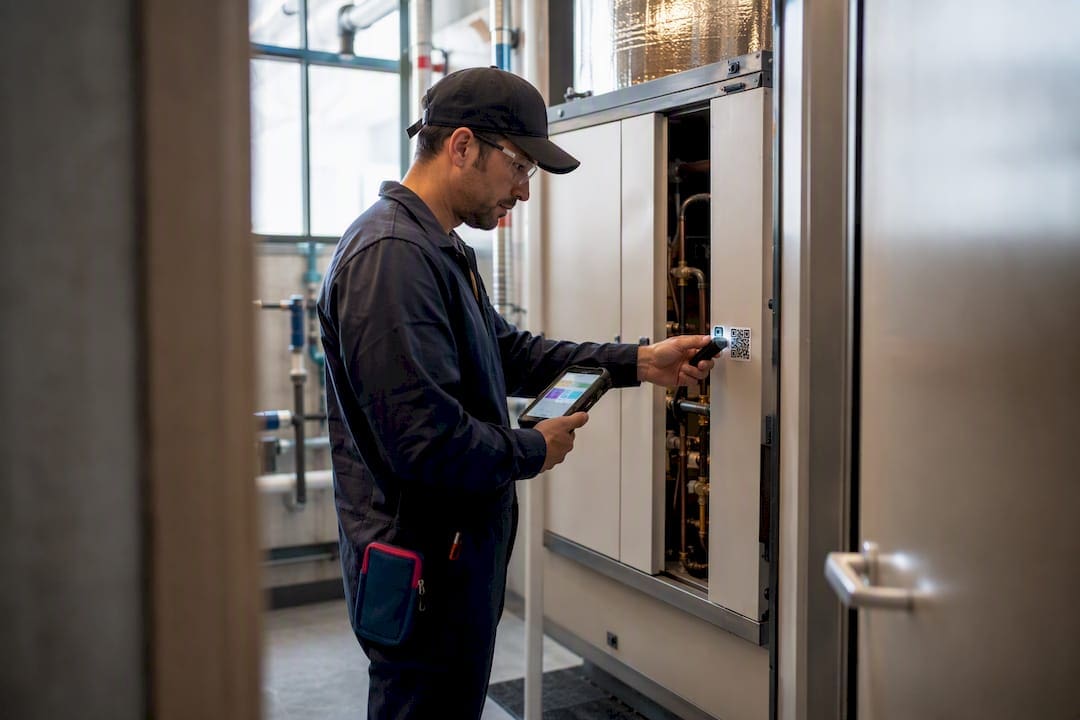
- Capture sensor readings, inspections, and operator observations in one place, creating a complete picture of asset health.
- Trigger work orders automatically when thresholds are met, ensuring immediate response to concerning trends.
- Trend data over time to identify early warning signs, helping teams spot patterns that might otherwise go unnoticed.
- Standardize condition checks with digital forms and mobile workflows, improving consistency and reducing human error during inspections.
When paired with CMMS, condition‑based maintenance becomes truly actionable. Instead of reacting to failures or relying on guesswork, teams can make informed, timely decisions based on real asset performance. That results in better reliability and use of maintenance resources.
Preventive Maintenance Type #4: Predictive Maintenance (PdM)
Predictive maintenance represents the most advanced and forward‑looking approach within the preventive maintenance spectrum. Instead of relying on fixed schedules or usage thresholds, PdM uses real‑time monitoring, advanced analytics, and machine learning to anticipate failures before they happen. By analyzing patterns in sensor data (such as vibration, temperature, electrical load, lubrication quality, or acoustic signatures) PdM identifies subtle changes that signal issues long before they result in breakdowns.
This approach allows organizations to intervene at the exact right moment, maximizing asset life while minimizing unplanned downtime. When implemented effectively, predictive maintenance can transform maintenance from a cost center into a strategic advantage, improving reliability, safety, and operational efficiency.
When It Works Best
- High‑value, high‑criticality assets, where even minor failures can disrupt production or compromise safety.
- Operations where downtime is extremely costly, such as manufacturing lines, data centers, utilities, or transportation fleets.
- Environments with robust sensor infrastructure, where IoT devices, SCADA systems, or condition‑monitoring tools continuously feed performance data into analytics platforms.
How CMMS Strengthens Predictive Maintenance
Predictive analytics can show when a failure is likely, but CMMS turns that insight into action. Without a system to organize data, trigger work, and track results, predictive maintenance is just information with no follow‑through. CMMS makes PdM actionable by linking predictions to the right workflows, people, and processes.
CMMS helps teams:
- Integrate predictive analytics platforms and IoT data streams, consolidating sensor inputs, alerts, and performance trends into a single source of truth.
- Automatically generate work orders based on predicted failures, ensuring that maintenance teams respond quickly and consistently to early warning signs.
- Track asset history to improve model accuracy, feeding past failures, repairs, and performance data back into predictive algorithms.
- Measure the impact of PdM on downtime, cost, and reliability, to show continuous improvement and ROI to leadership.
Predictive maintenance is only as strong as the system that turns predictions into action. CMMS serves as that system. By bridging the gap between analytics and execution, CMMS ensures that predictive insights translate into timely interventions, safer operations, and more reliable assets.
CMMS Makes Every Strategy Stronger
Most organizations don’t rely on a single type of preventive maintenance, and they shouldn’t.
Each approach plays a different role. Time‑based maintenance keeps routine tasks on track for simpler equipment. Usage‑based strategies ensure assets with fluctuating workloads receive attention when they truly need it. Condition‑based maintenance adds precision by responding to real‑time performance changes. Finally, predictive maintenance delivers the highest level of reliability for critical, high‑value systems.
CMMS unifies these strategies into a cohesive, efficient maintenance program. By centralizing data and automating workflows, CMMS provides:
- A single source of truth for asset data, histories, manuals, sensor inputs, and performance trends in one place.
- Automated scheduling and work order generation, so the right tasks happen at the right time without manual tracking or guesswork.
- Real‑time visibility into performance and compliance, giving teams the insight needed to stay ahead of failures and meet regulatory requirements.
- Analytics that help refine and improve maintenance plans, enabling continuous improvement as equipment ages, workloads shift, or new technologies come online.
Prevent Failures Before They Happen
Whether your team is just starting to formalize preventive maintenance or moving toward a more advanced, predictive, data-driven model, CMMS gives you the structure, automation, and intelligence needed to strengthen every approach. It brings all maintenance activities, including scheduling, inspections, work orders, asset histories, and performance data, into one coordinated system.
Instead of managing tasks in isolation, teams gain a unified, proactive process that makes it easier to spot trends, prioritize work, and respond before small issues turn into failures. This shift not only improves day-to-day reliability and reduces unplanned downtime, it also creates the foundation for smarter long-term planning. With clearer views into asset health, resource use, and costs, organizations can make better decisions about staffing, budgeting, and capital investments.
Get started today. Contact us.