
TL;DR:
- Effective maintenance tracking ensures contractual compliance and prevents service failures. Automated tools with tiered metrics and real-time dashboards improve SLA performance and cost control. Proper configuration and regular review are essential to avoid common pitfalls and achieve operational efficiency.
Service level agreement maintenance tracking is the systematic process of monitoring, measuring, and managing maintenance service commitments to verify contractual compliance and protect operational efficiency. For facility managers and operational leaders, this practice is the difference between controlled costs and runaway service failures. Without structured tracking, missed renewals, undetected breaches, and poor technician performance erode both margins and client trust. Platforms like EasyDesk and Taskr have demonstrated that automated SLA monitoring, when integrated with preventive maintenance software and asset management, produces measurable gains in compliance rates and cost control.
What key metrics define service level agreement maintenance tracking?
Effective SLA compliance metrics go well beyond response time. The standard SLA compliance rate formula is: (Contacts resolved within SLA threshold / Total contacts) x 100. That number tells you whether you are meeting contractual commitments, but it does not tell you why you are missing them.
The metrics that actually drive operational improvement include:
- First Contact Resolution (FCR): The percentage of maintenance requests resolved without escalation or callback. Low FCR signals technician skill gaps or poor dispatch decisions.
- Average Handle Time (AHT): Total time from ticket creation to resolution close. High AHT on routine tasks indicates process inefficiency.
- Response time vs. resolution time: Response time measures how fast a technician acknowledges a request. Resolution time measures how long the fix actually takes. Tracking both separately reveals where delays occur.
- Escalation rate: Escalations cause 15–25% of breaches due to technician skill gaps. A rising escalation rate is an early warning sign.
- Breach rate by priority tier: Delays beyond 15 minutes on P1 tickets inflate breach rates by over 40%. That single data point justifies tiered response targets.
Leading operations teams use tiered SLA compliance targets: 99% for P1, 95% for P2, and lower thresholds for P3 and P4 tickets. This structure prevents high-priority failures from being masked by strong performance on low-stakes requests.
Pro Tip: Segment your compliance metrics by team, priority level, and customer account monthly. Aggregated scores hide the specific failure points that cost you the most.

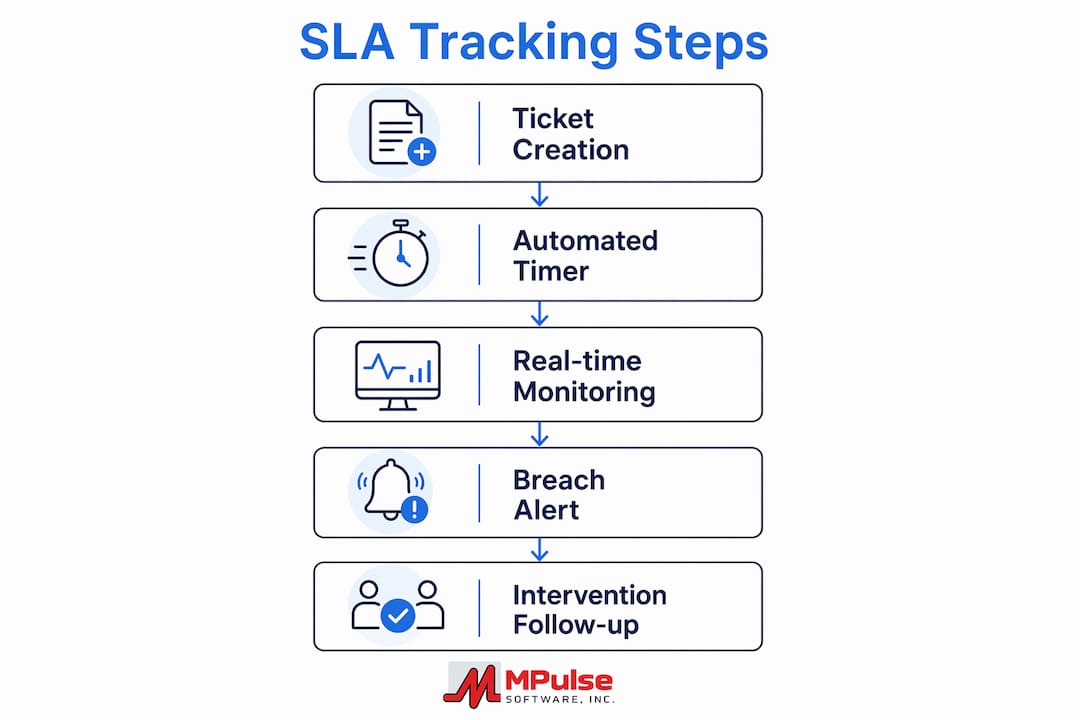
Real-time dashboards with automated breach alerts are not optional at scale. Visual dashboards trigger interventions mid-month when compliance drops, giving managers time to correct course before a breach becomes a contract dispute.
What tools and prerequisites support efficient SLA monitoring?
Modern CMMS platforms and facility maintenance software have replaced spreadsheet-based tracking as the standard for serious operations. The right platform automates the administrative burden while giving managers real-time visibility into service level performance.
Before selecting a tool, confirm these prerequisites are in place:
- Defined SLA rules for each contract, including response windows, resolution targets, and escalation thresholds
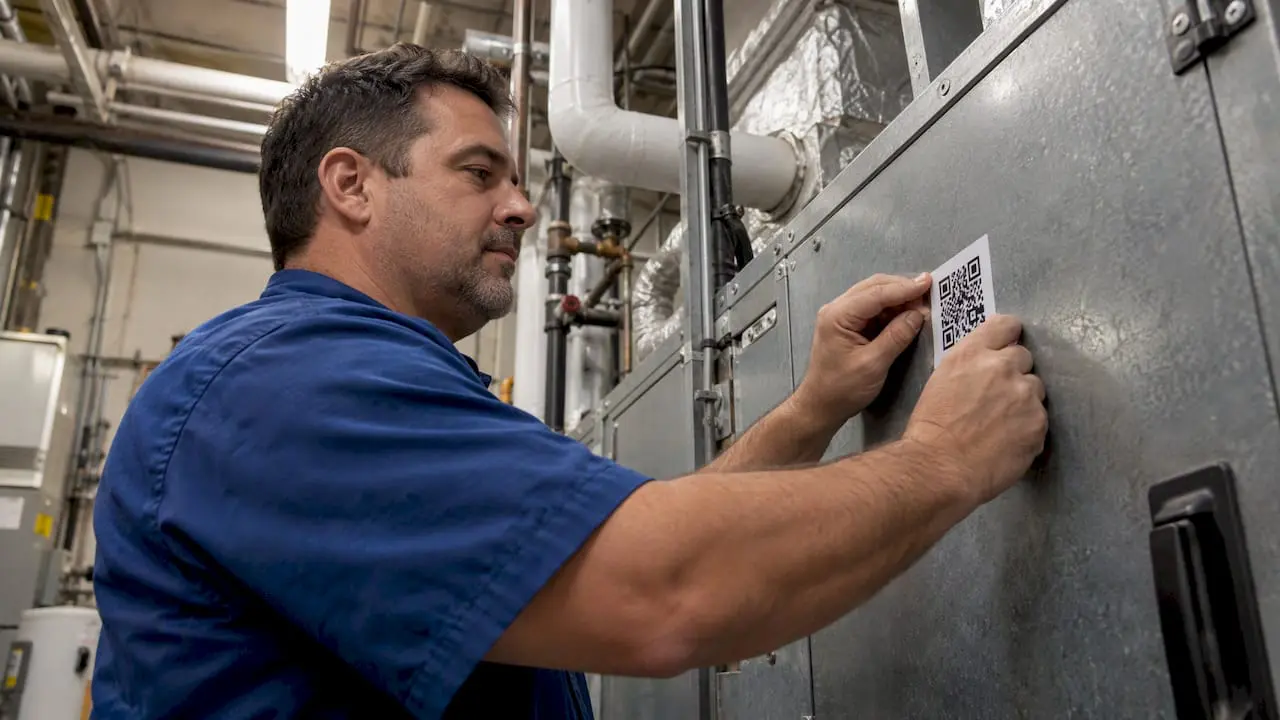
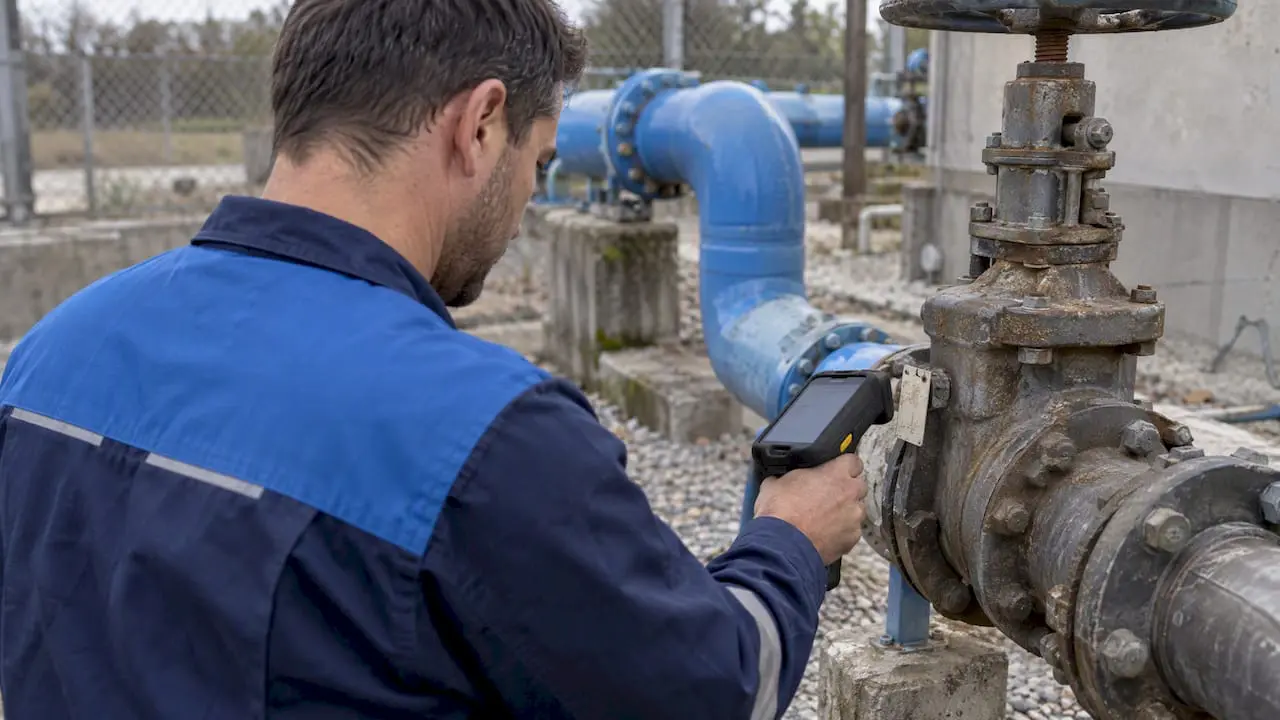
- Asset tagging so every maintenance request links to a specific piece of equipment and its service history
- Technician assignment logic that matches skill sets to ticket priority levels
The table below compares the core capabilities you should evaluate in any SLA documentation tool:
| Capability | Why It Matters |
|---|---|
| Automated SLA timers | Starts countdown at ticket creation; removes manual tracking errors |
| Escalation workflows | Routes tickets before breach windows close, reducing compliance failures |
| Real-time dashboards | Gives managers live visibility into compliance status across all contracts |
| Automated renewal reminders | Prevents missed contract renewals that damage client relationships |
| Integration with work orders | Links SLA conditions directly to work order execution and technician dispatch |
| Reporting and audit trails | Supports contract disputes and compliance reviews with documented records |
EasyDesk improved SLA compliance rates from 80% to 92% in 30 days by deploying early breach identification and automated workflows. That result is achievable when the tool is configured correctly from the start.
Taskr has supported operations with over 40,000 maintenance jobs across 150 businesses, demonstrating that automated scheduling and SLA tracking at scale are operationally proven.
Pro Tip: Set automated renewal reminders 90 days before contract expiry. Platforms that include performance data in those reminders achieve renewal rates over 94%, giving your sales and operations teams a clear advantage.
How to implement an SLA maintenance tracking system
A structured implementation prevents the most common failure mode: deploying a tool without configuring it to match your actual contracts and workflows. Follow these steps in sequence.
- Define SLA parameters for every active contract. Document response windows, resolution targets, priority tiers, and escalation rules before touching any software. Ambiguous SLA definitions produce unreliable data.
- Configure automated SLA timers and escalation triggers. Automated escalation triggers route tickets before SLA breach windows close. Set escalation thresholds at 70–80% of the available time window, not at the deadline itself.
- Tag assets and link them to SLA conditions. Every work order should reference a specific asset, its maintenance history, and the SLA governing that asset’s service. This connection makes root cause analysis possible when breaches occur.
- Assign technicians based on priority and skill match. Dispatch logic should reflect SLA tier requirements. A P1 critical system failure requires your most experienced technician, not the nearest available one.
- Activate real-time dashboards and configure breach alerts. Managers should receive automated notifications when a ticket reaches 70% of its SLA window without resolution. Waiting for a breach to appear in a weekly report is too late.
- Integrate SLA tracking with preventive maintenance scheduling. Preventive maintenance integrated with SLA tracking reduces emergency breakdown callouts by up to 40%. Fewer emergency calls mean fewer P1 breaches and lower cost per service event.
- Conduct monthly SLA performance reviews. Review compliance rates by tier, escalation rates, and breach causes. Adjust targets and workflows based on what the data shows, not on assumptions.
The integration between SLA tracking and billing is equally important. SLA tracking integrated with AMC contract management connects service delivery directly to invoicing, giving operations leaders clear profit visibility per contract.
What are common SLA tracking mistakes to avoid?
The most damaging mistakes in maintenance contract tracking are not technical failures. They are process failures that technology cannot fix on its own.
Relying on response time as the primary metric is the most widespread error. Response time measures acknowledgment, not resolution quality. A technician who responds in five minutes but takes four hours to fix a P1 issue has still breached the SLA. FCR and resolution time must be tracked alongside response time.
Treating SLA tracking as a finance reporting task undermines its operational value. SLA tracking is a core operational tool that integrates preventive maintenance scheduling, asset tagging, and technician assignment. When it lives only in the finance department, the people who can actually prevent breaches never see the data.
Using a single compliance target across all ticket types produces misleading results. Organizations that apply one SLA compliance target to all priorities miss the fact that P1 failures carry far greater operational and contractual risk than P3 requests.
Additional pitfalls to watch for:
- Manual renewal tracking that causes missed contract renewals and damaged client relationships
- Static SLA agreements that are never reviewed or updated as operations change
- No escalation path defined for after-hours or weekend failures
- Compliance reports reviewed quarterly instead of monthly or weekly
“Manual contract management leads to missed renewals and SLA compliance issues. Systematic SLA tracking and renewal alerts lead to clearer profit visibility and faster operations.” — AMC Contracts Guide
Pro Tip: Use visual dashboards with color-coded breach risk indicators. Auto-escalations catch at-risk tickets before they breach. Reviewing a static report after the fact only confirms failures you could have prevented.
Key takeaways
Effective SLA maintenance tracking requires tiered metrics, automated tools, and integration with preventive maintenance to deliver measurable compliance improvements and cost reductions.
| Point | Details |
|---|---|
| Use tiered SLA targets | Set separate compliance thresholds for P1, P2, and P3 tickets to reflect actual risk levels. |
| Automate timers and escalations | Configure escalation triggers at 70–80% of the SLA window to prevent breaches before they occur. |
| Integrate with preventive maintenance | Linking SLA tracking to scheduled maintenance reduces emergency callouts by up to 40%. |
| Segment and review metrics monthly | Aggregate compliance scores hide the specific failure points that drive the most cost. |
| Automate contract renewals | Send renewal reminders 90 days before expiry with performance data to protect renewal rates. |
Where most SLA tracking programs actually break down
After working with facility and operations teams across multiple industries, the pattern I see most often is not a technology problem. It is a configuration problem. Organizations invest in a capable CMMS platform, configure the basics, and then run it on default settings for years. The SLA timers are running, but the escalation thresholds are set at 100% of the window, which means alerts fire only after a breach has already occurred.
The teams that get the most from their SLA monitoring programs treat the system as a living operational tool. They review escalation rates every month, adjust technician assignment rules when skill gaps appear, and update SLA parameters when contracts change. They also connect their scheduled maintenance workflows directly to SLA conditions, so preventive work reduces the volume of reactive P1 tickets over time.
The other pattern worth noting: the best-performing teams I have observed do not celebrate hitting 95% compliance. They investigate why 5% of tickets breached. That mindset, combined with the right tooling, is what separates operations that control their SLA performance from those that simply report it.
— Mark
See how mpulse software handles SLA tracking at scale
Facility managers who need reliable maintenance contract tracking and real-time service level performance monitoring use MPulse Software. The platform combines automated SLA timers, escalation workflows, asset-linked work orders, and preventive maintenance scheduling in one system. Over 3,500 customers globally have used MPulse to achieve up to 40% efficiency improvements and measurable cost reductions.
MPulse Software gives your team the dashboards, alerts, and reporting needed to catch breaches before they happen and document compliance for every contract. Whether you manage a single facility or a multi-site operation, the platform scales to your requirements. Start a free demo of MPulse today and see how structured SLA tracking changes your maintenance performance numbers.
FAQ
What is service level agreement maintenance tracking?
Service level agreement maintenance tracking is the process of monitoring maintenance service commitments against defined contractual targets, including response time, resolution time, and escalation thresholds. It uses automated timers, dashboards, and compliance reporting to verify that service delivery meets agreed standards.
How is SLA compliance rate calculated?
The SLA compliance rate formula is (Contacts resolved within SLA threshold / Total contacts) x 100. Focusing only on this number without also tracking FCR and resolution time can mask underlying operational problems.
What metrics should facility managers track beyond response time?
Facility managers should track First Contact Resolution, Average Handle Time, escalation rate, breach rate by priority tier, and resolution time. Escalations alone account for 15–25% of SLA breaches, making escalation rate one of the most predictive metrics available.
How often should SLA performance be reviewed?
SLA performance should be reviewed at minimum monthly, with real-time dashboards monitored continuously. Quarterly reviews are too infrequent to catch compliance trends before they become contract disputes.
What is the biggest risk of manual SLA tracking?
Manual contract management leads directly to missed renewals and undetected SLA compliance failures. Automated platforms that centralize contracts and send renewal reminders 90 days before expiry consistently outperform manual processes on both compliance rates and client retention.
Recommended