
Essential Consumer Questions to Ask When Choosing a CMMS

Choosing the right CMMS platform can make a real difference by improving asset reliability, reducing downtime, strengthening compliance, and giving teams clear visibility into their work. When chosen well, CMMS supports daily operations while also helping organizations plan ahead and continuously improve. On the other hand, the wrong system can result in far-reaching consequences. Instead of enabling clarity and coordination, it can fragment data across disconnected tools, making it difficult to access reliable information when it’s needed most. This blog highlights the key questions organizations should ask CMMS vendors, focusing on what really matters rather than marketing fluff. Organized into practical categories, they provide a straightforward framework to help teams compare options, ask better questions, and choose a CMMS with confidence. Platform Architecture & Deployment Model The underlying platform determines system reliability, availability, upgrade cadence, and operational resilience. If your organization operates in environments with regulatory or connectivity constraints, you want flexible software that supports business continuity. Key Questions Security, Compliance & Data Governance As a system of record for potentially sensitive information, CMMS software must follow rigorous security controls and support compliance obligations. Focus on understanding how the platform enforces access controls, ensures data integrity, supports audits, and safeguards your data throughout its lifecycle. That includes termination of services. Key Questions Core Functionality & Feature Depth Beyond basic work order tracking, you want a system that supports a full range of maintenance strategies and workflows for technicians in the field. You want to understand how well the platform supports real-world maintenance operations across sites, roles, and environments, and whether its functionality translates into measurable improvements in execution and decision-making. Key Questions Integrations & Interoperability Modern CMMS software must function as a connected platform, not a standalone tool. Ask about support for both out-of-the-box and custom integrations with enterprise systems, building technologies, and data sources. Look for a solution that enables secure, scalable data exchange, and minimizes integration complexity while preserving long-term flexibility. Key Questions Implementation, Training & Change Management Beyond technical setup, effective implementation depends on clear and easy user experience. Seek to understand how a vendor reduces risk, accelerates ROI, and ensures your users fully adopt and sustain the system post–go-live. Key Questions Scalability & Performance CMMS must support enterprise-level operations across multiple sites without degradation in responsiveness or reliability. Look for evidence that the system can handle high concurrency, large datasets, and real-time data ingestion while maintaining strong performance standards. Key Questions Vendor Stability & Product Roadmap Selecting a CMMS is a long-term investment. Ensure the vendor has a stable business foundation, domain expertise, and a clear innovation roadmap. Also ask how customer feedback influences product evolution and how frequently new capabilities are delivered. Key Questions Pricing, Licensing & Total Cost of Ownership In addition to subscription fees, evaluate the implementation costs, optional modules, support, and future scalability considerations. Vendors should clearly articulate what is included, what incurs additional charges, and how pricing may change over the life of the contract. Key Questions Support, Service Levels & Customer Success Ongoing support quality, responsiveness, and accountability are critical to system reliability and user satisfaction. Ask about available support channels, service level commitments, and how the vendor proactively partners with customers to ensure sustained value and operational excellence. Key Questions Proof of Value & Real-World Validation You want your CMMS software to deliver measurable improvements in maintenance performance and operational efficiency. Vendors should provide relevant customer examples and references to validate capabilities through pilots or proof-of-concept engagements that align with your use cases and KPIs. Key Questions Choosing a CMMS Choosing a CMMS affects how effectively your organization operates today and how well it can adapt in the future. The right system must align with your operational reality, support regulatory and compliance obligations, scale with your asset portfolio, and enable consistent improvements in reliability, efficiency, and decision-making. Equally important is the vendor behind the product: their stability, responsiveness, and willingness to evolve alongside your needs will shape the long-term success of the platform. These questions help buyers move beyond polished demos and marketing claims to evaluate what truly matters. By asking the right questions, you can reduce risk, set clear expectations, and select a CMMS partner positioned to support measurable outcomes with lasting operational impact. Start today. Contact us.
Building Maintenance Mistakes That Cost You Time and Money
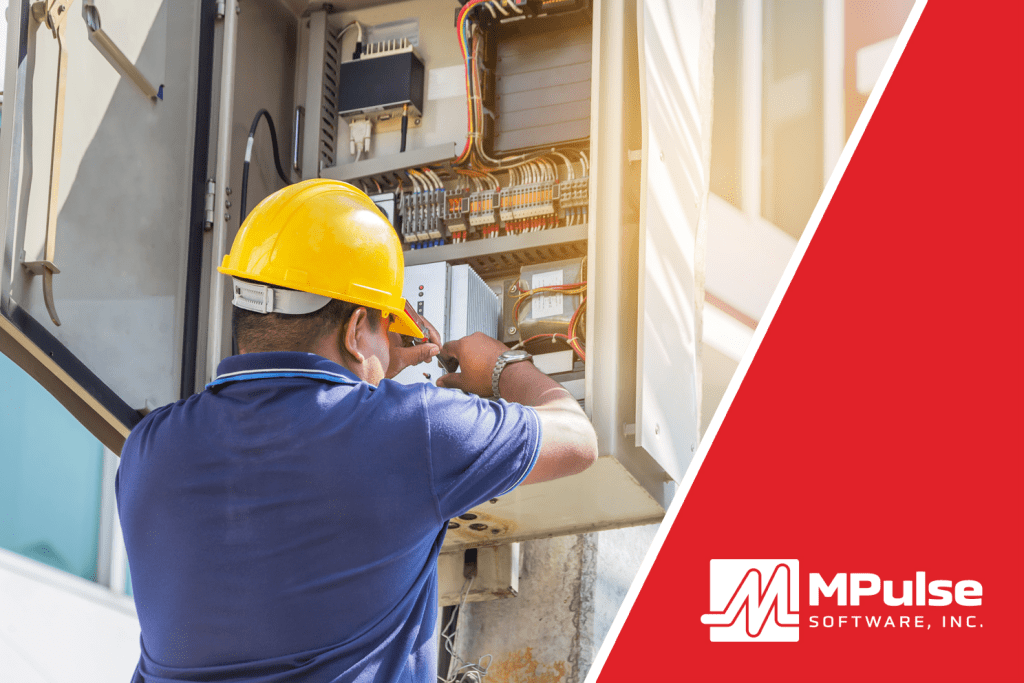
Building maintenance mistakes can cost a lot of time and money. If you don’t take care of systems like heating, air conditioning, plumbing, lights, and elevators, small problems can turn into big ones. And big problems cost a lot of time and money. Let’s look at some common building maintenance mistakes, and how to avoid them so everything runs smoothly and safely. Mistake #1: Waiting Until Something Breaks One of the most common building maintenance mistakes is waiting until something stops working before fixing it. We call this approach reactive maintenance. The problem? Waiting can lead to bigger damage. For example, if you wait to fix a leaking pipe, it could burst and flood a room. That’s a lot more expensive than just replacing a small part early. How to Avoid It:Do preventive maintenance by checking equipment regularly and fixing small problems before they become big ones. Use a schedule to make sure things like filters, belts, and fans get cleaned or replaced on time. Mistake #2: Not Keeping Records If you don’t keep track of when maintenance was done, you might forget important jobs. You could end up fixing the same problem more than once or missing something that needs attention. How to Avoid It:Document maintenance tasks in CMMS software like MPulse to record all work that gets done. Record the date, what was fixed, and who did the job. Keeping records helps you stay organized and gives you a history of each piece of equipment. Mistake #3: Ignoring Small Issues Sometimes, small issues like a strange noise in the air conditioner or a flickering light are ignored. But small problems often turn into bigger ones. A weird sound could mean a motor is wearing out. A flickering light might mean bad wiring. How to Avoid It:Pay attention to the small signs. Have workers or building users to report anything unusual via service requests. Fixing problems early is always cheaper and faster than waiting. Mistake #4: Using the Wrong Tools or Parts Trying to save money by using cheap or incorrect parts can cause damage later. The wrong part might not fit right or could wear out quickly. That leads to more repairs and more downtime. How to Avoid It:Always use the right tools and high-quality parts that match the equipment. It might cost a little more now, but it saves money in the long run by lasting longer and working better. Mistake #5: Skipping Regular Inspections If you don’t check systems regularly, you might miss warning signs. Things like dirty air filters, clogged drains, or loose wires can be spotted during an inspection before they cause trouble. How to Avoid It:Create a checklist and do regular inspections, maybe every week or month. Walk around the building and look at major systems. Check for leaks, odd smells, strange sounds, or signs of wear and tear. Mistake #6: Not Training Maintenance Staff If your maintenance team doesn’t have the right training, they might not know how to fix problems correctly. Not investing in your people could lead to poor repairs, more breakdowns, or even safety hazards. How to Avoid It:Make sure your team gets training on all the systems they’re responsible for. Send them to workshops, give them manuals, or use online videos to help them learn. A skilled team makes all the difference. Mistake #7: Poor Communication If no one knows who’s doing what or when, it can lead to confusion. Tasks get missed, jobs get repeated, or the wrong things get fixed. How to Avoid It:Use a system like CMMS software. Make sure everyone knows their tasks and reports back when they’re done. Why These Mistakes Matter Fixing broken equipment takes time. It can also interrupt daily activities, especially in places like schools or hospitals. Repairs often cost more than regular maintenance, especially if you have to bring in outside help or replace major systems. Even worse, poor maintenance can be dangerous. Broken lights, slippery floors, or faulty wires can cause accidents or fires. That’s why it’s important to avoid these mistakes before they lead to trouble. Avoid Building Maintenance Mistakes By Being Proactive Being proactive means solving problems before they start. Here are a few simple tips: Taking these steps will save you money, protect your building, and help everything run more smoothly. Maintenance might not always be exciting, but it’s super important. When you take care of a building the right way, everything lasts longer, works better, and stays safer. Building maintenance mistakes like waiting too long, skipping inspections, or using the wrong parts can cost time and money. But you can avoid them. By preparing and paying attention, you can keep your building in great shape for years to come. Get started today. Contact us.