
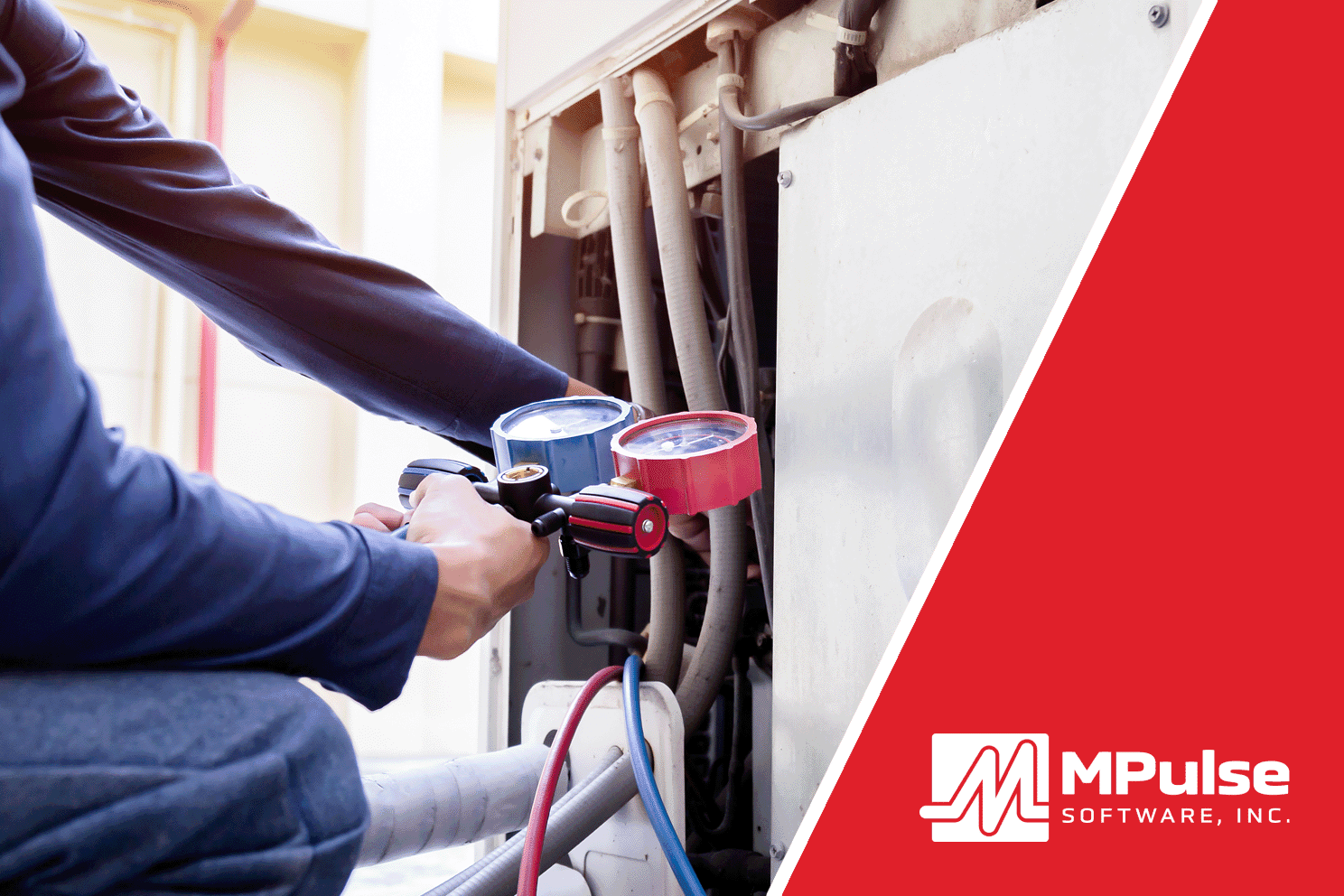
Commercial HVAC systems are among the most critical assets in any facility. They regulate indoor comfort, protect sensitive equipment, and account for a significant portion of a building’s energy use. When these systems are not properly maintained, the result is often higher operating costs, inconsistent temperatures, tenant complaints, and unplanned downtime.
Effective commercial HVAC maintenance goes beyond periodic inspections. It relies on consistent processes, clear documentation, and visibility into system performance over time.
This guide covers the basics of commercial HVAC maintenance, outlines key system components, offers a practical maintenance checklist, and explains how CMMS supports a more consistent and efficient program.
Understanding Commercial HVAC Maintenance
Commercial HVAC maintenance includes regular inspection, service, and repair of heating, ventilation, and air conditioning systems used in commercial buildings. These systems are larger and more complex than residential units and often run continuously across multiple spaces.
Maintenance typically includes preventive, predictive, and corrective work. Preventive maintenance covers scheduled tasks like inspections and filter changes. Predictive maintenance uses system data to identify issues early. Corrective maintenance fixes problems after they occur.
CMMS supports all three by organizing asset data, maintenance schedules, and work orders in one system, helping teams plan, track, and document HVAC work consistently.
Essential Components of a Commercial HVAC System
Commercial HVAC systems consist of multiple interconnected components, each of which requires regular attention to keep the system operating efficiently.
Heating equipment may include boilers, furnaces, or heat pumps responsible for generating heat. Cooling systems often consist of chillers, cooling towers, rooftop units, and condensers. Air handling units distribute conditioned air throughout the building, while fans, motors, belts, and dampers regulate airflow.
Additional components include thermostats, sensors, building automation systems, electrical connections, refrigerant lines, condensate drains, and air filtration systems. Failure in any one of these areas can affect overall system performance.
CMMS software like MPulse allows each HVAC component to be tracked as an individual asset. Your team can attach maintenance schedules, manuals, warranties, and service histories directly to the asset record, giving technicians and managers quick access to critical information.
Commercial HVAC Maintenance Checklist
A consistent maintenance checklist is essential for ensuring that routine HVAC tasks are completed correctly and on time. While specific requirements vary by equipment and facility, a comprehensive commercial HVAC maintenance checklist typically includes the following activities:
☐ Inspect and replace air filters to maintain airflow and indoor air quality.
☐ Check belts, pulleys, and couplings for wear, alignment, and proper tension.
☐ Inspect electrical connections, control panels, and safety devices.
☐ Clean evaporator and condenser coils to prevent efficiency losses.
☐ Inspect and clean drain pans and condensate lines to prevent blockages.
☐ Lubricate motors, bearings, and other moving parts as required.
☐ Verify thermostat accuracy and control system operation.
☐ Inspect refrigerant levels and check for leaks.
☐ Test startup, shutdown, and emergency controls.
To simplify the process, these checklist items can be added directly to preventive maintenance work orders in MPulse CMMS. Technicians complete tasks electronically, record readings, add notes, and attach photos, creating a clear maintenance history that supports compliance, troubleshooting, and long-term planning.
Seasonal Maintenance Checklist
Pre-Cooling Season Checklist
☐ Clean condenser coils
☐ Verify refrigerant levels
☐ Inspect compressors for wear, noise, or leaks
☐ Confirm proper airflow across units
☐ Test controls and sensors for accurate cooling response
☐ Inspect electrical connections and components
Pre-Heating Season Checklist
☐ Inspect boilers or furnaces
☐ Check ignition systems for proper operation
☐ Examine heat exchangers for cracks or damage
☐ Test safety controls and shutoffs
☐ Inspect and replace air filters as needed
☐ Review dampers for proper operation and airflow
CMMS Scheduling and Tracking
☐ Schedule seasonal maintenance tasks in CMMS
☐ Generate work orders based on time, meter readings, or usage
☐ Assign tasks to technicians and set priorities
☐ Track work order completion across all facilities
☐ Document findings, readings, and corrective actions
Well-Maintained vs. Neglected HVAC Systems: What’s the Difference?
The difference between a well-maintained HVAC system and a neglected one becomes increasingly clear over time. Well-maintained systems operate more efficiently, experience fewer breakdowns, and maintain consistent indoor conditions. Energy consumption remains more predictable, and major components last longer.
Neglected systems often suffer from dirty coils, clogged filters, worn belts, and failing controls. Small issues go unnoticed until they result in system failures, emergency repairs, or premature equipment replacement. These systems typically consume more energy and generate higher maintenance costs.
CMMS helps highlight these differences by providing visibility into maintenance history, downtime, and recurring issues. Asset reports and work order data allow facilities to identify problem equipment and adjust maintenance strategies before failures become costly.
Implementing an Effective Maintenance Program
An effective commercial HVAC maintenance program starts with accurate asset data. Maintenance teams should identify, document, and enter all HVAC equipment into the CMMS software. Teams should also standardize preventive maintenance tasks and schedule them based on manufacturer recommendations and operating conditions.
Clear workflows and technician accountability are also critical. CMMS enables maintenance teams to assign work orders, set priorities, and track completion in real time. Mobile access allows technicians to update work orders in the field without returning to the office.
Over time, maintenance managers can use the data collected in CMMS to evaluate performance, identify trends, and support budgeting and capital planning decisions.
Streamline Your Commercial HVAC Maintenance with CMMS
Managing commercial HVAC maintenance without a centralized system can lead to missed tasks and inconsistent records. CMMS provides a structured way to manage HVAC assets, preventive maintenance schedules, and maintenance data.
Using MPulse helps reduce unplanned downtime, improve energy efficiency, and extend equipment life, supporting a more reliable maintenance program and occupant comfort. Get started today. Contact us.
FAQs on Commercial HVAC Maintenance
How often should commercial HVAC systems be serviced?
Most commercial HVAC systems benefit from quarterly preventive maintenance, with additional inspections before peak heating and cooling seasons. Maintenance managers can use CMMS as a structured way to manage HVAC assets, preventive maintenance schedules, and maintenance data.
What HVAC tasks are best managed through CMMS?
Preventive maintenance scheduling, work order tracking, asset history, compliance documentation, and performance reporting are all well-suited for management within CMMS software. Centralizing these tasks improves consistency, accountability, and visibility across maintenance teams.
How does CMMS support preventive maintenance?
CMMS automates maintenance schedules, standardizes checklists, and tracks completion, helping teams address issues before they lead to failures. Using CMMS reduces reactive work and helps maintain steady system performance.
Is CMMS data useful for long-term planning?
Yes. Historical maintenance data from CMMS supports budgeting, lifecycle planning, and decisions about equipment repair or replacement. Over time, this data helps organizations prioritize investments and reduce unexpected capital costs.