Top Three Ways Facility Maintenance Managers Can Keep Costs Down

Facility maintenance professionals know that owners and tenants expect high-quality service, but they also expect competitive pricing. To stay profitable, facility maintenance managers must carefully control costs while keeping buildings safe, efficient, and comfortable. Strong facility maintenance practices make it easier to balance these goals. By improving energy efficiency, using the right maintenance management tools, and focusing on preventive maintenance, facility managers can reduce waste, avoid costly repairs, and improve daily operations. These steps help create a more reliable facility maintenance program that supports long-term success. Improving Energy Efficiency in Facility Maintenance Utility costs often make up a large portion of a building’s operating budget. Reducing energy and water use can lower monthly expenses and free up money for other needs. Energy-efficient buildings also attract tenants who value sustainability and lower environmental impact. Facility maintenance teams usually focus on two types of energy efficiency: passive and active. Passive energy efficiency involves making upgrades to equipment and building systems. Examples include installing energy-efficient appliances, LED lighting, improved insulation, and low-flow toilets and faucets. These upgrades may cost more at the start, but they often pay for themselves over time through lower utility bills and reduced maintenance needs. Active energy efficiency focuses on how facility maintenance work is done each day. This approach includes using less water and power during cleaning and repairs and choosing reusable products instead of disposable ones. Simple tasks such as replacing HVAC filters on schedule, keeping condensers clean, and fixing small leaks quickly can improve system performance and prevent energy loss. Landscaping choices also matter. Using plants that need less water can reduce irrigation costs and ongoing maintenance work. When energy efficiency becomes part of regular facility maintenance routines, buildings run more smoothly, and costs stay under control. Using CMMS Software to Support Facility Maintenance Managing facility maintenance tasks without the right tools can lead to missed work orders, poor communication, and wasted time. CMMS helps facility managers organize and track all maintenance activities in one place. CMMS software allows facility maintenance teams to create, schedule, and monitor work orders. It stores information about equipment, maintenance history, and inventory, making it easier to plan repairs and replacements. With better organization, maintenance teams can respond faster to problems and spend less time on paperwork. Many CMMS platforms also allow tenants or building users to submit maintenance requests online. This capability creates a clear and simple process for reporting issues. The system can automatically notify the maintenance team and update requestors as work progresses. Clear communication reduces frustration and builds trust between facility maintenance teams and tenants. CMMS software also provides reports that show trends in facility maintenance work. Managers can see which assets need the most attention, where costs are increasing, and how well preventive maintenance plans are working. These insights help managers make better decisions and improve overall efficiency. Creating a Preventive Maintenance Program One of the most effective ways to control facility maintenance costs is through preventive maintenance. Preventive maintenance focuses on taking care of equipment and building systems before problems occur. This approach helps avoid breakdowns, emergency repairs, and unexpected downtime. Preventive facility maintenance includes regular inspections, cleaning, adjustments, and minor repairs. Common tasks include servicing HVAC systems, checking electrical systems, cleaning gutters, inspecting roofs, and preparing buildings for seasonal weather changes. These tasks may seem small, but they play a big role in keeping facilities running safely and efficiently. CMMS software makes preventive maintenance easier to manage. Facility managers can schedule recurring tasks and plan maintenance work weeks or months in advance. This helps teams stay organized and reduces the chance that important tasks will be forgotten. Preventive maintenance also helps extend the life of equipment. Well-maintained systems last longer and perform better, which reduces the need for early replacements. Over time, this leads to significant savings and more predictable facility maintenance budgets. The Long-Term Value of Strong Facility Maintenance Effective facility maintenance is not just about fixing problems. It is about planning ahead, using resources wisely, and creating a safe and comfortable environment for building occupants. When energy efficiency, CMMS software, and preventive maintenance work together, facility managers gain better control over costs and operations. Strong facility maintenance practices make daily work easier for maintenance teams and reduce stress caused by unexpected repairs. They also improve tenant satisfaction by ensuring that issues are addressed quickly and systems work as expected. By investing time and effort into better facility maintenance planning today, managers can create more efficient operations and stronger financial performance in the future. With the right strategies in place, facility maintenance becomes not just a cost to manage, but a valuable part of a successful property operation. Have questions? Contact us. We’re here to help.
Scheduled Maintenance That Actually Prevents Problems

When equipment breaks down, work stops, money is lost, and people get frustrated. That’s why many companies schedule maintenance tasks to take care of equipment before it breaks. But planning and tracking that work can get complicated. CMMS and scheduled maintenance prevent problems by helping your team plan, document, and track maintenance work. It makes sure the right tasks happen at the right time, and it keeps everyone organized. What Is Scheduled Maintenance? Scheduled maintenance is the practice of doing regular check-ups on equipment so problems don’t have a chance to grow. Instead of waiting for something to break, maintenance teams check equipment and other assets early, replace worn parts, and make adjustments before things go wrong. You prevent the problem by staying ahead of it. Some common scheduled maintenance tasks include: These tasks may seem simple. But skipping them can lead to expensive breakdowns in the future. CMMS can remind you when something needs to be done. Often, problems happen because maintenance teams don’t have a good system to keep track of everything. They may forget tasks, lose paperwork, or miss an important warning sign. Sometimes maintenance teams are so busy fixing emergencies that they don’t have time to focus on routine work. That means more downtime, more repair costs, and more stress for everyone. How CMMS Helps Prevent Real Problems CMMS prevents many of the issues that make scheduled maintenance difficult. It keeps all maintenance information in one place and makes it easy for teams to stay organized. Here are some ways CMMS software and scheduled maintenance work together to prevent problems. 1. Automated Reminders CMMS sends alerts when it’s time to do a task. No one has to remember dates or search through paperwork. The system tells workers what needs to be done and when. 2. Easy-to-Follow Work Orders Work orders explain what task needs to happen, where it is, what tools are needed, and how long it should take. CMMS organizes all of this data so maintenance teams can follow clear instructions. 3. Real-Time Updates When a technician finishes a task, they can check it off in CMMS right away, even from a phone or tablet in the field. This capability keeps everyone up to date, including managers who want to see what’s been completed. 4. Data That Helps You Make Better Decisions CMMS tracks the history of each piece of equipment. Over time, it shows patterns like how often an asset breaks down or which parts wear out the fastest. This information helps teams choose the best time to replace equipment, order parts early, and prevent failures. 5. Less Paperwork, Less Stress Instead of storing piles of binders, clipboards, and sticky notes, CMMS keeps everything electronically. It’s easier to find information, and nothing gets lost. The Benefits of Scheduled Maintenance Done Right When scheduled maintenance is supported by a CMMS, everyone benefits. What Makes a CMMS Effective? Not all CMMS programs are the same, but the best ones share a few important features: Scheduled maintenance software doesn’t have to be complicated to work well. In fact, simple systems are often the most effective because people are more likely to use them every day. Getting Started with CMMS and Scheduled Maintenance If your team is new to scheduled maintenance or wants to improve its current system, starting with CMMS is a smart step. Begin by entering your equipment list, setting up basic preventive tasks, and scheduling reminders. Over time, you can add more details, track performance, and fine-tune your maintenance plans. You don’t have to fix everything at once. Even small changes, like doing regular inspections or tracking tasks electronically, can prevent big problems later. Scheduled Maintenance Prevents Problems Scheduled maintenance works best when it’s organized, consistent, and supported by good tools. CMMS makes this possible by turning simple reminders and tasks into a complete system for keeping equipment healthy. When used well, it helps companies avoid breakdowns, reduce costs, and stay productive. In the end, scheduled maintenance isn’t just about fixing machines. It’s about preventing problems before they happen. CMMS is one of the best ways to make that happen. Get started today. Contact us.
7 Must-Have CMMS Features for Facility Maintenance

Facility maintenance managers have a lot on their plates with keeping buildings safe, systems running smoothly, and budgets under control. The tools used for maintenance have changed over the years. However, so has the technology behind them. That’s why more and more facility maintenance professionals are turning to cloud-based CMMS to simplify their daily tasks and gain better control over their operations. Cloud-Based CMMS for Facility Maintenance Cloud-based CMMS gives maintenance teams the ability to manage every aspect of their operations in one centralized platform. With a cloud CMMS, teams can create, assign, and track work orders, monitor asset performance, and access real-time maintenance data from any location. That means your team can stay up to date whether they’re in the office, on the production floor, or out in the field. This connectivity makes it easier to stay organized, respond quickly to issues, and make data-driven decisions that improve efficiency. Unlike older desktop systems that require manual updates and limit access to a single device, cloud CMMS software is faster, more flexible, and far more reliable. Users can log in from any internet-connected device, ensuring everyone always has the most current information. Modern facility maintenance software streamlines daily maintenance tasks, reduces downtime, and helps extend the lifespan of valuable assets. The result is a more productive team, lower operating costs, and a maintenance operation that runs smoothly and efficiently. Best of all, all your maintenance data is backed by the cloud. CMMS Features for Facility Maintenance If you’re thinking about upgrading, look for these seven must-have CMMS features for facility maintenance. 1. Mobile Work Order Management Paper work orders and clipboards are a thing of the past. With mobile maintenance tools, technicians can receive, update, and close work orders directly from their smartphones or tablets. A good cloud CMMS should allow your team to: Mobile work order management helps keep everyone on the same page, no matter where they are in the facility. It also cuts down on errors caused by lost paperwork or outdated information. 2. Asset Tracking & Barcode Scanning Keeping track of every piece of equipment across multiple buildings can be challenging. That’s where asset tracking comes in. Modern CMMS platforms include tools that let you record and monitor every asset, from HVAC systems to lighting controls and elevators. Barcode or QR code scanning makes this even easier. By scanning a code with a mobile device, technicians can instantly pull up the asset’s full history, including past repairs, manuals, and warranty details. This instant access to maintenance data saves time and reduces mistakes. With accurate asset tracking, facility managers can make better decisions about when to repair or replace equipment, helping extend asset life and reduce costs. 3. Preventive Maintenance Scheduling One of the biggest advantages of a CMMS is scheduling preventive maintenance to stop problems before they happen. A strong preventive maintenance feature automatically schedules inspections, filter changes, lubrication, and other routine tasks based on time, usage, or meter readings. Preventive maintenance ensures nothing slips through the cracks and helps avoid costly breakdowns. It also keeps facilities in compliance with safety and quality standards. With cloud CMMS, all this scheduling happens automatically, and reminders are sent to technicians through mobile alerts. That means less guesswork and fewer unexpected failures. 4. IoT and Software Integration Today’s facilities are becoming smarter thanks to the Internet of Things (IoT) and software integration tools. When your CMMS can connect to these systems, it unlocks powerful capabilities. For example, sensors can send real-time data to CMMS, such temperature, humidity, or vibration readings. The software can then generate alerts or even create work orders automatically when equipment is operating outside of normal conditions. This integration allows facility teams to move from reactive to predictive maintenance, reducing downtime and extending the life of equipment. It also helps optimize energy use and supports sustainability goals. 5. Reporting and Dashboards Data is only valuable when you can see and understand it. Modern facility maintenance software includes reporting tools and dashboards that turn maintenance data into actionable insights. With customizable dashboards, you can monitor key performance indicators (KPIs) such as: These reports help facility managers identify trends, measure team performance, and justify budgets with solid data. In a cloud CMMS, dashboards update in real time, so you always know what’s happening in your buildings. 6. Offline Access and Data Sync Facilities don’t always have perfect Wi-Fi or cell service, particularly in remote sites. That’s why offline access is a critical CMMS feature. The best cloud CMMS solutions allow technicians to keep working even when they’re offline. Your team can update work orders, record notes, and capture photos while disconnected. Once the device reconnects to the internet, all data syncs automatically. Offline functionality ensures maintenance work never stops, no matter where your team is or what the network conditions are like. 7. Scalability and Security Finally, your CMMS should be built to grow with your organization. Whether you manage one building or a portfolio of properties, scalability ensures your system can handle more users, assets, and data without slowing down. At the same time, security must be top priority. Look for a provider that offers encrypted data storage, secure user logins, and regular system backups. Cloud vendors typically provide stronger security than most on-site servers, along with automatic software updates and uptime guarantees. By choosing a cloud CMMS that’s both scalable and secure, you protect your investment and ensure your system stays reliable for years to come. Smart CMMS Features for Facility Maintenance Managers Upgrading to a modern cloud CMMS is one of the smartest moves a facility maintenance manager can make. The right CMMS features can transform how your maintenance team operates. With the right system in place, you’ll reduce downtime, extend asset life, and make data-driven decisions that keep your facilities running efficiently. Ready to explore a cloud CMMS for your facility management needs? Start by listing the features that matter most to your team and look for a platform that helps you grow,
Top 5 Industries That Need CMMS Software

If your organization produces goods or provides a service, or if it operates out of a building, managing maintenance should be one of your top priorities. CMMS software provides tools that help many different types of industries keep everything working properly. Whether it’s machines, equipment, vehicles, buildings, or multiple facilities, CMMS software helps companies organize, plan, and keep track of all their maintenance work. CMMS can save companies time, cut down on costs, and prevent unexpected breakdowns that can cause problems. These five industries rank at the top for CMMS software benefits. Industry #1: Manufacturing In manufacturing, every minute of downtime can translate into thousands of dollars lost. To keep production on schedule and operations efficient, machines must be maintained in peak condition. Strategic maintenance planning not only prevents unexpected breakdowns but also extends the lifespan of equipment, reducing costly repairs and replacements. Quick responses to emerging issues help avoid delays that could disrupt delivery timelines, while well-trained staff ensure safety and consistency on the factory floor. CMMS helps manufacturers with the following. With strong maintenance practices in place, manufacturers can protect their bottom line while ensuring smooth, reliable production. Industry #2: Construction In construction, heavy equipment is the backbone of progress, moving between job sites and powering each phase of a project. But without a solid maintenance strategy, tracking repairs manually can become chaotic and expensive. Scheduled upkeep and regular inspections help prevent equipment failures, ensure safety compliance, and keep timelines intact. Detailed service records support smarter budgeting and repair planning, while well-maintained machinery improves worker safety and reduces costly delays. CMMS also helps with the following. By organizing maintenance across all vehicles and machines, construction teams can reduce downtime, control costs, and keep every job site running smoothly. Industry #3: Healthcare Hospitals and healthcare facilities depend on a wide range of complex equipment to deliver safe, timely, and effective care. When systems fail, whether medical devices or building infrastructure, the consequences can include treatment delays, safety risks, and compliance issues. Regular maintenance ensures reliability, supports regulatory inspections, and helps prevent infections. Fast work order assignment and mobile access to maintenance data allow staff to respond quickly and stay informed across departments and locations. CMMS also helps healthcare organizations with the following. By proactively managing maintenance, healthcare organizations create safer environments and maintain the continuity and quality of patient care. Industry #4: Education Educational institutions from K-12 schools to sprawling university campuses are responsible for maintaining a wide range of facilities, including classrooms, labs, dormitories, and athletic centers. Without a reliable system in place, keeping everything running smoothly can be a major challenge. Regularly scheduled maintenance for HVAC, lighting, and other infrastructure helps prevent unexpected breakdowns. Fast issue reporting enables facility teams to resolve problems before they escalate, while centralized management tools streamline operations across multiple buildings. Maintenance reports also support smarter budgeting and long-term planning. CMMS also helps educational institutions with the following. By staying organized with maintenance, schools and universities can reduce downtime, control costs, and focus more fully on delivering quality education and student support. Industry #5: Government and Public Works Government agencies oversee a wide range of public assets from roads and parks to utilities and buildings, which makes maintenance a complex and critical responsibility. Relying on paper records can slow down operations and create confusion, especially when coordinating across departments. Digital tools in CMMS software streamline the process by enabling clear documentation of repairs, faster response to emergencies, and better visibility into ongoing maintenance. These systems also support transparency, improve budgeting decisions, and help agencies maintain safe, functional public spaces. By adopting modern maintenance systems, public agencies can reduce costs, prevent equipment failures, and deliver more reliable services to the communities they serve. Every Industry Needs CMMS Software Across every industry, good maintenance management helps teams stay organized, work efficiently, and be proactive. It replaces paper logs and spreadsheets with a digital system that tracks assets, schedules tasks, and sends alerts in real time. Whether managing construction equipment, maintaining school buildings, or ensuring hospital safety, good maintenance routines are essential. They help reduce costs, prevent delays, and keep operations running smoothly. Effective maintenance management software isn’t just a tool; it’s a smart solution that makes managing maintenance easier and better for every industry. Have questions? We have answers. Contact us.
How Preventive Maintenance Reduces Downtime
Preventive maintenance helps keep things running smoothly and avoids costly problems. In this blog, we will explore how preventive maintenance reduces downtime and why it matters for businesses and everyday life. What Is Preventive Maintenance? Preventive maintenance is when people take care of machines, equipment, or systems before something goes wrong. Instead of waiting for a problem to happen, they fix small issues early. In factories, businesses, and even homes, preventive maintenance includes regular inspections, cleaning, replacing parts, and making small repairs. This proactive strategy keeps everything in good condition and prevents major breakdowns. How Preventive Maintenance Reduces Downtime 1. Catching Problems Early One of the biggest reasons machines stop working is because small issues are ignored. A tiny crack in a part can turn into a big break, shutting down the entire system. By checking equipment regularly, technicians can find and fix these small problems before they become serious. For example, if a factory worker notices a belt on a machine is starting to wear out, they can replace it before it snaps. This simple fix prevents the machine from stopping suddenly, which would slow down production. 2. Keeping Equipment Clean Dirt, dust, and grime can build up in machines over time. As a result, parts don’t work as well, and motors have to work harder, which can lead to overheating or failure. Regular cleaning as part of preventive maintenance keeps equipment in top shape and running efficiently. Think of a computer fan. If too much dust collects inside, the fan won’t spin properly, and the computer may overheat and shut down. By cleaning it regularly, the computer stays cool and keeps running without interruptions. 3. Reducing Emergency Repairs Emergency repairs can be expensive and time-consuming. When something suddenly stops working, workers have to rush to fix it. Sometimes, they might need to order special parts, which can take days or even weeks to arrive. During this time, work is delayed, and money is lost. With preventive maintenance, many emergency repairs can be avoided. Businesses can plan ahead, order parts in advance, and schedule repairs at convenient times instead of dealing with unexpected shutdowns. 4. Increasing Equipment Lifespan Machines and tools last longer when they are well taken care of. Just like a car that gets regular oil changes lasts longer than one that never gets serviced, industrial machines, computers, and office equipment work better and last longer with proper maintenance. Replacing a machine is expensive. If businesses can keep their equipment running longer, they save money and avoid the hassle of finding new machines. 5. Improving Safety Faulty equipment can be dangerous. A broken machine can cause accidents, leading to injuries or even worse. Preventive maintenance helps keep equipment safe by ensuring everything is working properly. For example, if a construction company checks its cranes and lifts regularly, workers can be confident that the equipment won’t suddenly fail while in use. This makes the workplace safer for everyone. Preventive Maintenance Reduces Downtime Preventive maintenance is a simple but powerful way to keep machines, equipment, and other assets in good shape. It reduces downtime by catching problems early, keeping things clean, avoiding emergency repairs, increasing lifespan, and improving safety. Taking small steps now can prevent big problems later. Have questions? Contact us. We’re here to help.
How CMMS Supports FDA Compliance
CMMS supports FDA compliance for manufacturers by streamlining maintenance processes, ensuring accurate record-keeping, and facilitating traceability throughout the production lifecycle. CMMS Supports FDA Compliance for Manufacturers The FDA creates rules to make sure food and drinks are safe, clean, and labeled correctly. These rules help keep the public healthy by preventing contamination, harmful ingredients, and misleading labels. They also help build trust between manufacturers and customers by ensuring that products meet high standards for quality and safety. Here’s how CMMS can help manufacturers with compliance. Accurate Records The FDA requires food manufacturers to keep detailed records, especially under laws like the Food Safety Modernization Act (FSMA). CMMS supports FDA compliance by automatically recording tasks like equipment maintenance, cleaning schedules, and inspections. As a result, maintenance teams can make sure no important steps are skipped or recorded incorrectly. Regular Maintenance Keeping machines clean and working properly is essential in food production. For example, dirty or broken equipment can lead to contamination from things like bacteria or leftover materials. CMMS supports FDA compliance by scheduling regular maintenance to ensure timely cleaning and inspection of equipment. By doing this, manufacturers avoid problems like product recalls, fines, or delays. It also keeps production quality consistent and ensures every batch of food or drink meets safety standards. Automated alerts from the CMMS make it easier to stay on top of these tasks. Tracking and Reporting CMMS also supports FDA compliance by recording details about every maintenance job: who did it, when, and what was done. These records create a clear trail that helps identify and fix problems quickly. If the FDA inspects the facility, manufacturers can easily provide reports to show they are following the rules. As a result, manufacturers save time and can easily prove compliance. Managing Parts and Supplies FDA rules require the use of specific parts and supplies, like food-safe lubricants, in manufacturing equipment. CMMS supports FDA compliance by tracking these supplies to make sure only approved items are used. It can also reorder supplies automatically when they run low, helping avoid downtime and keeping production safe. Storing Documents Many CMMS platforms let manufacturers store important documents, like maintenance logs, employee training records, and operating procedures, in one secure place. This makes it easy to find and update documents when needed, especially during inspections. Training Employees CMMS platforms can track employee training and certifications, sending reminders when needed. This ensures only properly trained workers handle critical equipment, reducing errors and supporting compliance with FDA rules. CMMS Supports FDA Compliance CMMS helps food and beverage manufacturers follow FDA rules by organizing records, scheduling regular maintenance, and ensuring employees receive proper training. As a result, manufacturers can reduce risks, protect consumers, and ensure products are safe and high-quality. Have questions about how CMMS supports FDA compliance? Contact us. We’re here to help.
A Look Ahead: 6 Manufacturing Trends Set to Dominate in 2025

The Future of Manufacturing in 2025: Key Trends and Insights The past few years have been turbulent for manufacturers, marked by rapid changes that often left the industry scrambling to adapt. Despite the challenges, manufacturing has emerged resilient. Job growth in the sector has slowed in the past year yet remains above pre-pandemic levels with 12,873,000 manufacturing employees in October 2024. The sector averaged 12,648,000 employees before the pandemic (2017–2019), according to the National Association of Manufacturers (NAM). Looking ahead to 2025, several key trends are set to shape the future of manufacturing: Trend #1: Addressing the Labor Shortage The persistent labor shortage remains a critical challenge. NAM estimates that 4 million manufacturing jobs will need to be filled over the next decade, with 2.1 million positions potentially remaining vacant without increased interest in modern manufacturing careers. Coupled with an aging workforce, these issues demand urgent attention. To attract and retain talent, manufacturers must offer competitive pay and benefits while fostering a workplace culture that resonates with younger generations. Investments in workforce development, training programs, and outreach to underrepresented groups will also be vital. Trend #2: Strengthening Supply Chain Resilience The supply chain disruptions triggered by the COVID-19 pandemic exposed vulnerabilities that many manufacturers are still addressing. From material shortages to delayed shipping, the ripple effects have been significant. In 2025, manufacturers are expected to prioritize supply chain visibility and inventory management, leveraging tools like CMMS software. These systems enhance tracking, stocking, and procurement processes, ensuring timely availability of critical components and minimizing downtime. Trend #3: Navigating Regulatory Compliance Regulatory landscapes continue to evolve, with stricter standards emerging in response to global challenges. Industries must adapt to updated OSHA regulations, FDA guidelines, and ISO certifications, among others. Modern solutions like CMMS software streamline compliance by centralizing documentation and automating reporting. These tools simplify inspections and audits, mitigating the risks of non-compliance and potential legal ramifications. Trend #4: Harnessing IoT for Smart Manufacturing The Internet of Things (IoT) has revolutionized manufacturing by enabling seamless data exchange between connected devices. IoT applications in manufacturing range from asset monitoring to predictive analytics. By integrating IoT with AI and cloud computing, manufacturers can optimize production, improve asset performance, and gain real-time insights. This convergence of technologies drives operational efficiency and empowers data-driven decision-making. Trend #5: Embracing Proactive Maintenance Proactive maintenance strategies are increasingly critical as supply chain disruptions persist. Whether through preventive maintenance schedules, condition-based monitoring, or IoT-enabled insights, manufacturers are reducing asset downtime and extending equipment lifespans. Investing in proactive maintenance not only enhances efficiency but also minimizes energy consumption and prevents costly emergencies. Organizations that adopt these strategies are better positioned to sustain operations without disruption. Trend #6: Prioritizing Mobility Fieldwork remains integral to maintenance operations, and mobile solutions are transforming how technicians perform their roles. Mobile CMMS platforms enable access to work orders, real-time updates, and secure data management from anywhere. With user-friendly interfaces and adaptive technology, technicians can report issues, update assignments, and capture job data on the go. This flexibility improves productivity and ensures that maintenance workflows remain uninterrupted. What’s Next? Manufacturing in 2025 will be defined by its ability to innovate and adapt. From addressing labor shortages to leveraging advanced technologies, manufacturers have opportunities to drive growth while overcoming challenges. What trends do you foresee shaping the industry this year? Share your thoughts or reach out to us for more insights.
How CMMS Supports PFMEA Implementation
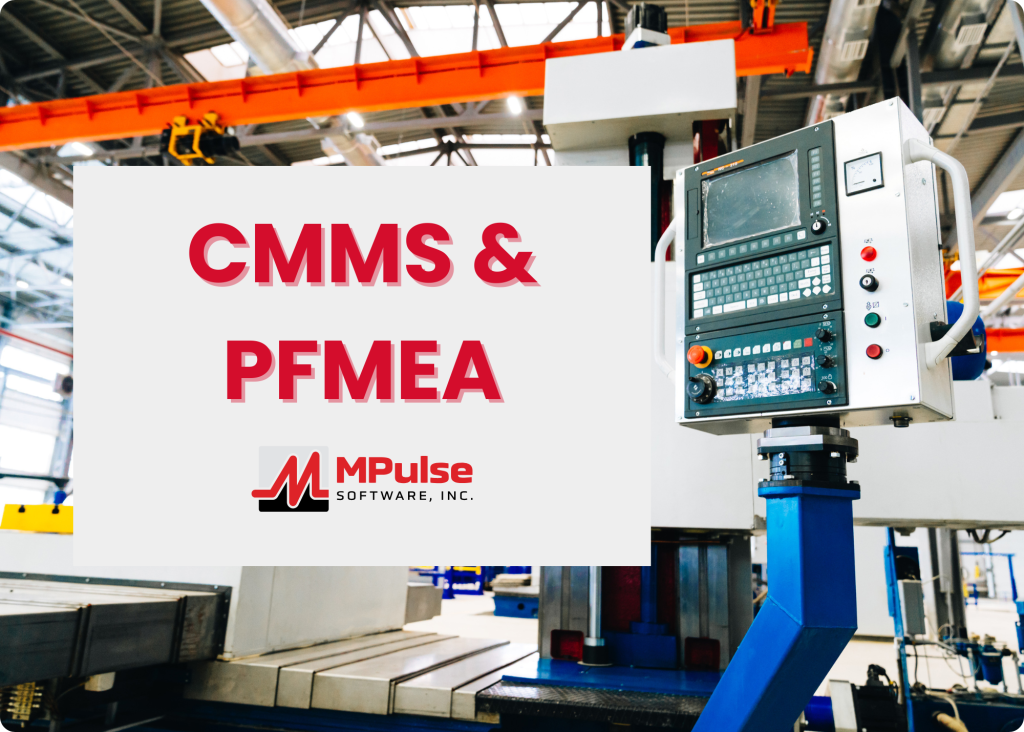
CMMS supports PFMEA by centralizing information, including data, real-time monitoring, and efficient maintenance processes. Because CMMS helps track equipment performance, spot patterns, and predict potential failures before they happen, PFMEA can identify and reduce risks more efficiently. CMMS sends real-time alerts when equipment is not performing as expected, allowing maintenance teams to address issues early and prevent larger problems. It also keeps a record of equipment usage, repairs, and inspections, which helps refine PFMEA assessments and prioritize critical maintenance tasks. By using CMMS with PFMEA, organizations can prevent failures, improve equipment reliability, ensure safety, and maintain smooth operations, reducing downtime and repair costs. This combination creates a strong system for managing maintenance and minimizing risks. What is PFMEA? Why Manufacturers Use PFMEA The Role of Maintenance in PFMEA Key Elements of PFMEA How CMMS Supports PFMEA The Benefits of PFMEA What Is PFMEA? Process Failure Modes and Effects Analysis (PFMEA) looks at each step of a process to determine possible failure points (failure modes), their causes, and their effects on the process or product. Next, manufacturers can assess the risks associated with failures and prioritize actions to reduce or eliminate them. The goal is to minimize the risk of failures and improve process reliability and quality. See how MPulse CMMS helped Siemens Building Technologies Group improve their lean manufacturing philosophy. Back to Top In short, combining CMMS with PFMEA helps manufacturers improve processes, predict and prevent equipment failures, and strengthen preventive maintenance. This approach optimizes resources, supports data-driven decisions, ensures safety, and boosts compliance, leading to a more efficient, reliable, and cost-effective operation. Back to Top
What Are the Most Important Maintenance Metrics and KPIs in Manufacturing?
Manufacturing facilities use many key performance indicators (KPIs) and other metrics to measure everything from cycle times to throughput to deliveries. For the maintenance team, manufacturing KPIs evaluate your team’s success in the areas you (or your bosses) care about, giving you a new level of insight on what’s going on in your department. How to Measure KPIs in a Company For the maintenance team, CMMS software uses the data gathered in every work order to create meaningful KPIs that tell you about the effectiveness of your maintenance strategies. First, you’ll want to pick KPIs that measure specific goals. Note that KPIs for your maintenance team may differ from the production team. Common maintenance goals in manufacturing facilities include… Reducing downtime Expanding planned maintenance programs Preventing equipment failures Decreasing costs Finding bottlenecks Tracking time or inventory Fine-tuning schedules Improving efficiency and productivity. Next, you’ll want to optimize your CMMS software to make sure you’re gathering the right data to evaluate performance in these specific areas. This data typically includes… Equipment records: asset information, including type, make and model, purchase date, associated inventory, location, etc. Maintenance records: tasks performed on an asset, including planned maintenance, unplanned repairs, work orders, inventory and supplies used, time required, etc. Inventory records: parts and supplies required to perform maintenance tasks, including part information, vendor details, stock levels, reorder points, etc. This data provides the basis of the KPIs and metrics you’ll track over time, helping you make informed decisions about your operations. Manufacturing KPI Examples Six maintenance KPIs that most MPulse customers find handy include… Planned Maintenance Percentage: the percentage of the total hours spent on PM maintenance activities over a specific period Preventative Maintenance Compliance (PMC): the percentage of scheduled PM tasks that get done in a specific time interval Mean Time to Repair (MTTR): the average time to evaluate and repair failed equipment Mean Time Between Failures (MTBF): the predicted time between failures of an asset during normal operation Overall Equipment Effectiveness (OEE): the percentage of manufacturing time that is truly productive Maintenance Backlog: the percentage of uncompleted tasks Additionally, manufacturing facilities may track other metrics or KPIs that apply specifically to this field… Total Cycle Time: the total time interval between start and finish of all operations, which shows how efficient a machine is Throughput: the rate of the number of units produced over time, either on a specific machine or line Capacity Utilization: a machine producing goods at an ideal cycle time is running at 100% capacity, so a lower percentage indicates available capacity Yield: a measure of quality and performance to identify processes that require substantive re-work, which will affect throughput and influence total cycle times Total Scrap / Total Product Run: percentage of discarded or rejected material from the manufacturing process, measured in either units or volume Availability: the measure of machine uptime and downtime, with the goal of identifying the causes of downtime to determine ways to reduce it These manufacturing KPIs are common, but you can track many more in MPulse Maintenance Software. Over time, MPulse helps you pinpoint trends and determine what areas need more attention. You also can create benchmarks to measure current performance against historic performance or goals. Have questions about setting up KPIs in CMMS software? Contact us. We can help. For the full metric set, see how to measure maintenance performance KPIs.
What Mean Time Between Failures Means for Your Maintenance Team

The most valuable part of CMMS software is all the great information you get out of it. Mean time between failures (MTBF) is a common metric that’s very useful for managing maintenance operations. MTBF predicts the elapsed time between failures of an asset based on normal operation. In this case, “failure” is used to describe when the equipment is out of service and in an unrepaired condition. MTBF is predicting uptime for the equipment. Your organization can use this metric as an indicator of expected availability, as well as reliability. How Do You Calculate MTBF? The higher the MTBF, the more reliable the asset should be before failing. It’s calculated as the sum of start of downtime minus start of uptime, then divided by the number of failures: MTBF = ∑ (Start of Downtime – Start of Uptime) ÷ (Number of Failures) Most maintenance teams measure MTBF in usage hours, but you could use mileage or similar data. MTBF doesn’t include downtime for preventive maintenance tasks, and it assumes PMs can be planned for a time when the asset is not in use. It also assumes the asset is within its useful life cycle. How Does MTBF Help Your Maintenance Team? Most of the time maintenance managers use MTBF to project the likeliness of an asset failing during a certain period. Often maintenance teams can use MTBF to adjust inspections schedules or preventive maintenance tasks. For example, if the asset fails multiple times for the same reasons, you might not have found the root cause, or it’s time to add some PMs to prevent such failures. Some maintenance operations factor in MTBF when determining how much to charge, based on how likely the equipment is to fail. As a simple example, MPulse customer Felipe uses MTBF to create asset performance benchmarks. If his CMMS data shows a belt is likely to fail after 700 hours of usage, he sets up a new PM schedule where the belt is replaced before that time, such as around 650 hours of usage. MTBF is a good of example of how maintenance teams can use CMMS data to prevent failures before they happen. If you’re not using MTBF as a metric to measure your maintenance operations, contact us to learn how it can help your organization. We’re here to help.