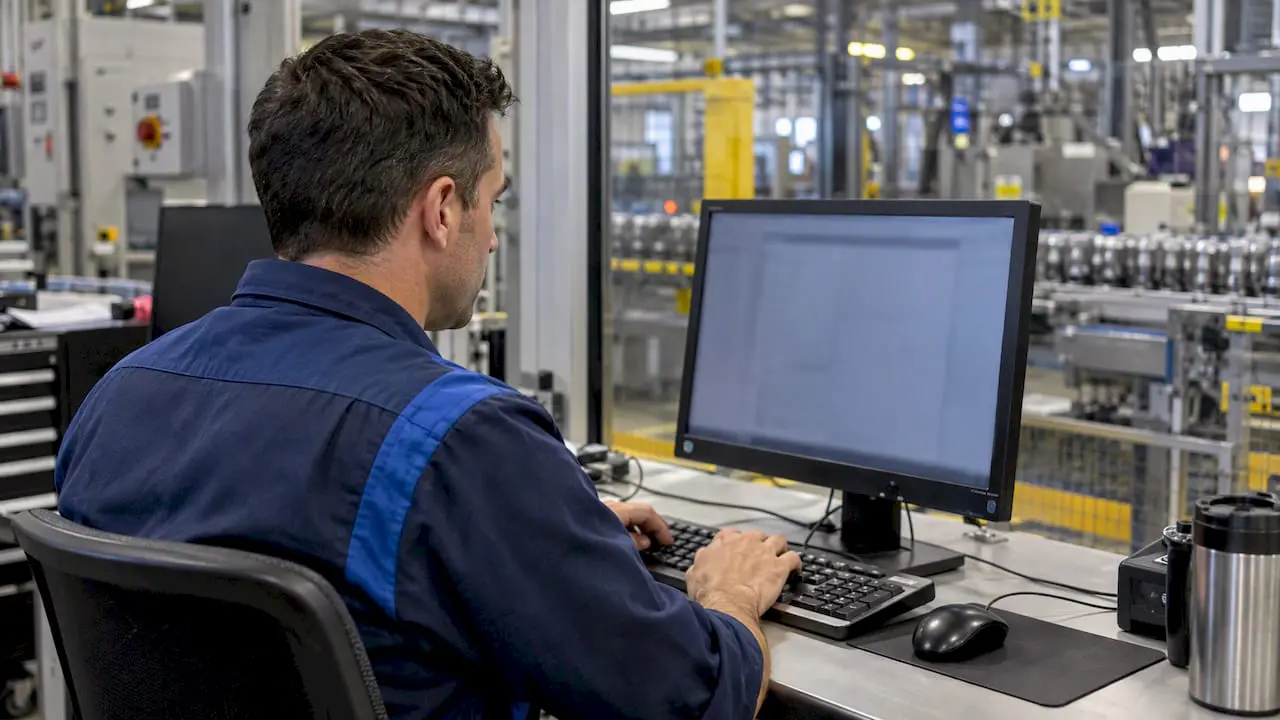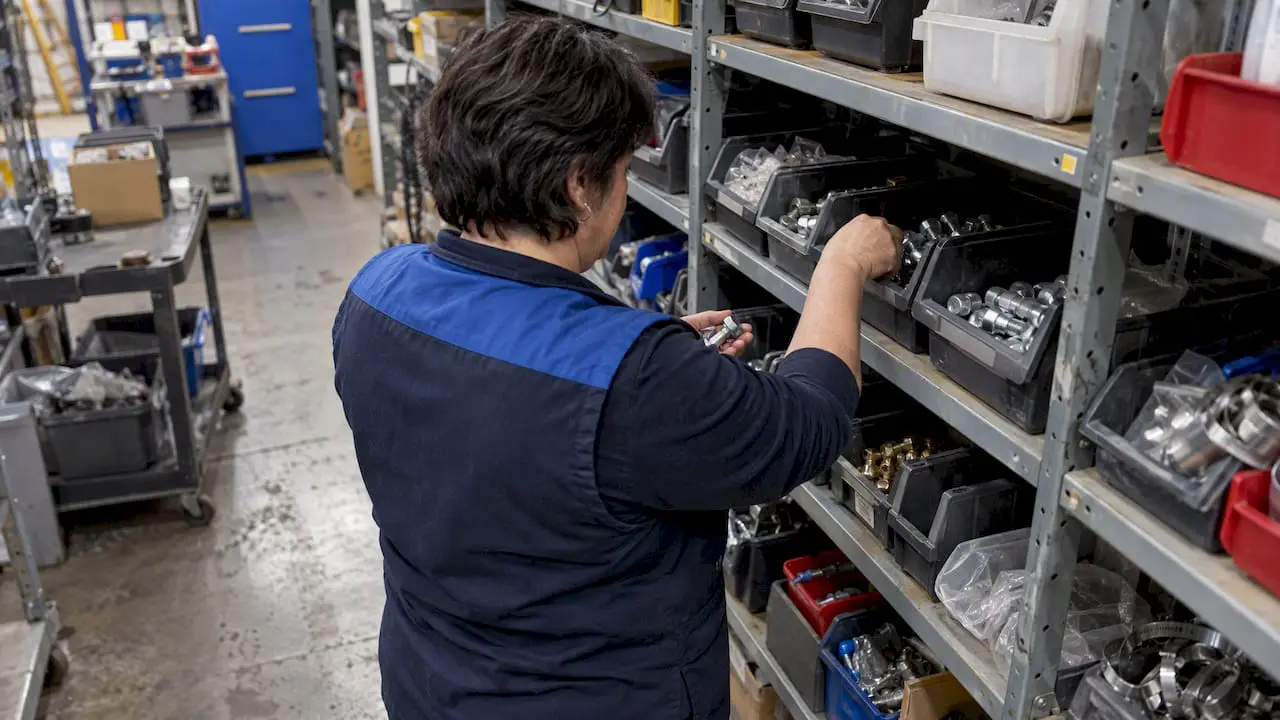

A single equipment breakdown can quickly stop food and beverage production. Ingredients may spoil or be thrown away, and employees could be put at risk. Even a short delay can lead to missed audits or failed inspections.
To avoid these costly disruptions, many manufacturers rely on a CMMS to plan maintenance and catch problems early. Proactive maintenance management keeps their facilities running smoothly, safely, and in compliance.
Why Maintenance Matters in Food and Beverage Manufacturing
Food and beverage plants rely on many types of equipment, including mixers, ovens, fillers, conveyors, chillers, pumps, and packaging lines. Much of this equipment runs for long hours under strict rules. Plants also must follow standards such as FDA rules, USDA oversight, and Good Manufacturing Practices. Many also follow standards like SQF, BRC, or ISO. These audits require clear records of maintenance, cleaning, and repairs.
CMMS software helps teams plan, track, and document maintenance work. It keeps records in one place. It helps crews know what to fix, when to fix it, and how to fix it.
Unique Needs of Food and Beverage Manufacturers
Food and beverage manufacturers operate in highly regulated, high‑volume environments. As a result, their maintenance and operations requirements differ from those of other industries. When equipment fails, problems compound quickly. Raw materials may spoil. Orders may be missed. Safety risks may increase.
While many CMMS platforms offer general asset and work management capabilities, not all are well suited to the specific demands of food and beverage production. A primary concern is food safety and sanitation. Equipment must be cleaned, inspected, and maintained according to strict schedules to meet regulatory requirements and prevent contamination. CMMS software must support sanitation workflows, recurring preventive maintenance, comprehensive documentation, and audit readiness to ensure compliance with food safety standards.
Downtime sensitivity is another critical factor. Even short interruptions can result in lost revenue. Food and beverage plants therefore require CMMS tools that support proactive maintenance, rapid work order execution, and real‑time visibility into asset health so issues can be addressed before they disrupt operations.
Ease of use is equally important. Maintenance teams often work in fast‑paced environments with varying levels of technical expertise. An intuitive interface, mobile access, and simple work order creation help ensure the system is adopted and consistently used on the plant floor.
At a foundational level, CMMS software stores and organizes data related to assets, work orders, spare parts, and labor. Modern CMMS platforms are typically cloud‑based, allowing data to be accessed across locations and departments, and most include mobile applications so technicians can view assignments, log work, and update records directly from the floor. For food and beverage manufacturers, the most effective CMMS solutions extend these core capabilities with tools designed to support sanitation management, compliance, and continuous production.
Key Features to Look for in CMMS software
When selecting CMMS software, it is important to ensure the system offers features that support efficient maintenance operations while aligning with the demands of your production environment. Several core capabilities are especially critical.
- Ease of use is foundational. CMMS SOFTWARE should have an intuitive interface that allows technicians, supervisors, and managers to quickly adopt the system with minimal training. Clear navigation and simple workflows help ensure maintenance tasks are logged accurately and completed on time.
- Preventive maintenance scheduling is essential for minimizing unexpected equipment failures. The CMMS should allow users to set up time‑based or usage‑based preventive maintenance plans, automate recurring work orders, and receive alerts when tasks are due. This functionality helps extend asset life and reduce unplanned downtime.
- Mobile functionality enables maintenance teams to work efficiently on the plant floor. With mobile access, technicians can receive assignments, review procedures, record labor, and complete work orders in real time without returning to a workstation, improving productivity and data accuracy.
- Asset history tracking provides a complete record of each asset’s maintenance activities, repairs, inspections, and downtime. This historical data supports better decision‑making, helps identify recurring issues, and informs repair‑versus‑replace evaluations.
- Inventory control ensures that spare parts and critical supplies are available when needed. CMMS software should track parts usage, automate reordering, and associate parts with specific assets or work orders to prevent delays and reduce carrying costs.
- Reporting and analytics allow organizations to measure performance and identify opportunities for improvement. Standard and customizable reports—such as downtime trends, maintenance costs, and compliance status—help maintenance leaders make data‑driven decisions and justify investments.
- Finally, compliance support is vital, particularly in regulated industries. CMMS software should facilitate documentation, inspections, certifications, and audit readiness by maintaining accurate records and supporting standardized procedures.
Together, these features ensure CMMS software not only manages maintenance tasks but also supports operational reliability, regulatory compliance, and continuous improvement.
ROI of Using CMMS software
The return on investment (ROI) of CMMS software comes from its ability to reduce costs, prevent losses, and improve operational efficiency across maintenance and production. Rather than being just a record‑keeping tool, CMMS software helps organizations move from reactive to proactive maintenance, delivering both short‑term savings and long‑term value.
Reduced Unplanned Downtime
Unplanned equipment failures are one of the most expensive operational risks. CMMS software improves ROI by:
- Enabling preventive and predictive maintenance
- Identifying recurring failure patterns
- Alerting teams before assets fail.
Even small reductions in downtime can yield significant returns, especially in high‑volume or regulated environments like food and beverage manufacturing. Avoided downtime directly translates to protected revenue and fewer emergency repairs.
Lower Maintenance and Repair Costs
Without CMMS software, maintenance teams often rely on reactive fixes, which are typically more expensive than planned work. CMMS SOFTWARE helps reduce costs by:
- Scheduling routine maintenance that extends asset life
- Preventing minor issues from becoming major failures
- Supporting better repair‑versus‑replace decisions through asset history.
Organizations commonly see maintenance cost savings as unnecessary work, repeat repairs, and premature asset replacements are reduced.
Improved Labor Productivity
CMMS software increases technician efficiency by:
- Reducing time spent searching for information
- Streamlining work order creation and completion
- Providing mobile access to instructions, histories, and checklists.
Maintenance teams can complete more work in less time, and supervisors gain visibility into workload and performance.
Better Inventory and Spare Parts Management
Excess inventory ties up capital, while missing critical parts causes delays. CMMS SOFTWARE improves inventory ROI by:
- Tracking usage and consumption trends
- Preventing overstocking and stockouts
- Linking parts to specific assets and work orders.
Better inventory control lowers carrying costs and prevents production delays caused by unavailable parts.
Improved Compliance and Risk Reduction
In regulated industries, poor documentation can lead to audit findings, fines, or shutdowns. CMMS supports compliance by:
- Maintaining accurate maintenance and inspection records
- Standardizing procedures and checklists
- Providing audit‑ready documentation.
Reducing regulatory risk protects revenue and brand reputation—an important but often under‑quantified ROI factor.
Data‑Driven Decision Making
CMMS SOFTWARE provides reporting and analytics that help organizations:
- Identify high‑cost or unreliable assets
- Prioritize capital investments
- Measure maintenance performance (e.g., MTBF, MTTR, PM compliance).
These insights support smarter decisions that deliver long‑term financial benefits.
ROI of CMMS for Food & Beverage Manufacturers
When properly selected and implemented, CMMS software becomes a strategic investment that improves reliability, safety, and profitability across the operation.
A simplified ROI example illustrates the financial impact. If a system reduces unplanned downtime by just 5 percent, lowers maintenance costs by 10 percent, and improves technician productivity by 15 percent, the resulting annual savings can quickly exceed the cost of the software and its implementation, often delivering a full return on investment within the first year.
Best CMMS for Food and Beverage Manufacturers
The best CMMS for food and beverage manufacturers supports food safety, preventive maintenance, regulatory compliance, and minimal downtime through easy‑to‑use, mobile‑friendly, and audit‑ready maintenance management tools.
A well‑implemented CMMS helps food and beverage manufacturers reduce unplanned downtime and maintain strict food safety standards. By centralizing asset data, supporting preventive maintenance, and strengthening compliance readiness, CMMS software enables maintenance teams to work more proactively and efficiently. Choosing a solution that fits the industry’s unique requirements and investing in proper implementation and user adoption can lead to safer facilities, stronger regulatory compliance, and more reliable, consistent production outcomes.
Get started today. Contact us.
Frequently Asked Questions
What is CMMS software in food and beverage manufacturing?
CMMS software helps food and beverage manufacturers track assets, schedule maintenance, manage work orders, control spare parts inventory, and document compliance activities. It supports reliable production, food safety, and regulatory readiness.
Why do food and beverage manufacturers need a specialized CMMS?
Food and beverage manufacturers operate in highly regulated environments with strict sanitation, safety, and uptime requirements. CMMS designed for this industry helps manage cleaning schedules, prevent equipment failures that could cause contamination, and maintain audit‑ready maintenance records.
What features should CMMS software have for food and beverage plants?
The best CMMS for food and beverage manufacturers should include:
- Easy‑to‑use interface for plant‑floor adoption
- Preventive and sanitation maintenance scheduling
- Mobile access for technicians
- Complete asset and equipment history
- Parts and inventory management
- Compliance and audit documentation support
- Reporting on downtime, costs, and maintenance performance.
How does CMMS software support food safety and compliance?
CMMS software supports food safety by documenting inspections, sanitation tasks, maintenance procedures, and corrective actions. It provides traceable records that help meet FDA, USDA, HACCP, and GFSI audit requirements while reducing the risk of missed or incomplete maintenance activities.
How does CMMS software reduce downtime in food and beverage manufacturing?
CMMS software reduces downtime by enabling preventive maintenance, identifying recurring equipment failures, and improving response times to issues. By maintaining assets proactively, manufacturers can avoid unexpected breakdowns that lead to production delays, spoilage, or shutdowns.
What role does mobile access play in CMMS adoption?
Mobile apps allow techs to receive work orders, log labor, update tasks, and access asset histories directly on the production floor. This improves productivity, data accuracy, and overall system adoption in fast‑paced manufacturing environments.
How do food and beverage manufacturers measure CMMS ROI?
ROI is measured through reduced unplanned downtime, lower maintenance costs, improved technician productivity, better spare parts control, and fewer compliance risks. Many manufacturers see payback within the first year after implementation.
What should manufacturers consider when choosing CMMS software?
When choosing CMMS software, food and beverage manufacturers should consider ease of use, scalability, industry‑specific functionality, implementation support, and long‑term reliability. Selecting CMMS software that aligns with plant workflows and regulatory needs is just as important as the software’s feature set.
What is the best CMMS for food and beverage manufacturers?
The best CMMS is one that fits the manufacturer’s specific operations, compliance requirements, and maintenance maturity level. It should support sanitation workflows, minimize downtime, and provide clear insights into maintenance performance while remaining easy for teams to use.