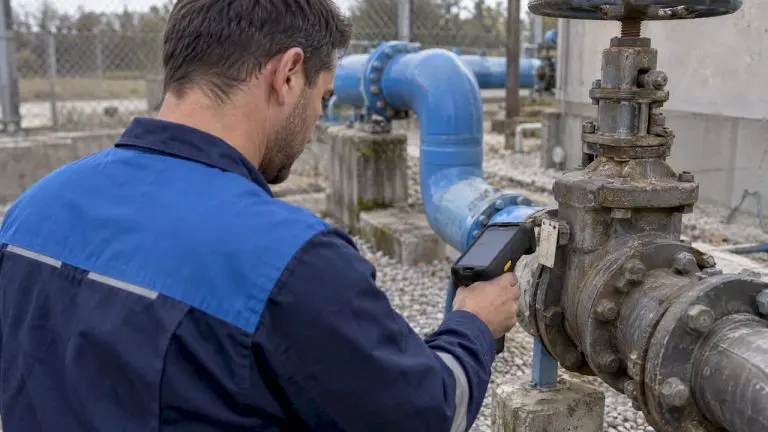

Measuring maintenance performance KPIs gives organizations a clear view of how well their maintenance operations are functioning and where improvements will have the greatest impact. Modern maintenance software gives organizations the ability to track performance with precision, identify trends, and make decisions that improve reliability and reduce costs. The key is knowing which KPIs matter and how to measure them correctly. See also: How to Use CMMS Data for Better Decision-Making and Key Performance Indicators For Maintenance.
Maintenance teams have always collected data, but CMMS software changes the game. Instead of relying on paper logs, spreadsheets, or memory, CMMS captures information automatically as your team completes work. As a result, you create a reliable foundation for performance measurement and enable your team to move from reactive decision making to proactive planning.
Why You Want to Measure Maintenance Performance KPIs
Maintenance KPIs provide a clear picture of how well your maintenance program is performing. They help organizations answer questions such as:
- Are we completing preventive maintenance on time?
- Are we reducing downtime?
- Are we using labor and parts efficiently?
- Are we improving asset reliability?
- Are we spending money in the right places?
Without KPIs, maintenance teams often rely on assumptions. Leaders may believe the team is overloaded, but the data may show that work is unevenly distributed. Technicians may feel that preventive maintenance is effective, but the data may reveal that assets continue to fail shortly after service. KPIs replace guesswork with facts.
Software makes KPI tracking easier because it collects data automatically. Every work order, part transaction, inspection, and meter reading becomes part of a larger performance story. Over time, this data becomes a powerful tool for planning, budgeting, and decision making.
The Role of Maintenance Software in KPI Measurement
Maintenance software provides three essential capabilities for KPI measurement.
Automated Data Collection
Manual data entry is slow and prone to errors. Software captures information as technicians complete work orders, update asset records, or log parts usage. As a result, KPI calculations reflect accurate and complete data.
Real Time Visibility
Dashboards and reports allow managers to see performance trends as they develop. Instead of waiting for monthly summaries, leaders can monitor KPIs daily or weekly and respond quickly to emerging issues.
Standardized Reporting
Software ensures that KPIs are calculated consistently, which is especially important for organizations with multiple sites or teams. Standardized reporting allows leaders to compare performance across locations and identify best practices. See also: How to Calculate Downtime.
How to Measure Maintenance Performance KPIs
You can choose from many maintenance KPIs, but a few core metrics provide the strongest insight into performance. The following sections explain how to measure each one using maintenance software.
Preventive Maintenance Compliance
Preventive maintenance compliance measures the percentage of scheduled PM tasks completed on time. It is one of the most important KPIs because it reflects how well the organization is preventing failures. See also: The Most Important Maintenance Metrics and KPIs in Manufacturing.
How CMMS software measures it:
CMMS tracks every scheduled PM and records whether it was completed before its due date. The system then calculates the compliance rate automatically.
Formula:
PM Compliance = (Number of PMs completed on time / Total PMs scheduled) × 100
Why it matters:
High PM compliance indicates that the team is staying ahead of equipment failures. Low compliance suggests your team feels overwhelmed, or the scheduling needs adjustment.
Mean Time to Repair (MTTR)
MTTR measures the average time required to repair an asset after a failure. It reflects the efficiency of the maintenance team and the reliability of repair processes.
How CMMS software measures it:
When a work order is opened for a breakdown, the system records the start time and the completion time. MTTR is calculated from these timestamps.
Formula:
MTTR = Total repair time for all breakdowns / Number of breakdowns
Why it matters:
A lower MTTR means faster recovery from failures, less downtime, and more efficient use of labor. See also: What Mean Time Between Failures Means for Your Team.
Mean Time Between Failures (MTBF)
MTBF measures the average time between one failure and the next. It is a key indicator of asset reliability.
How CMMS software measures it:
CMMS software logs each failure event. MTBF is calculated by dividing total operating time by the number of failures.
Formula:
MTBF = Total operating time / Number of failures
Why it matters:
A rising MTBF indicates that preventive maintenance and repairs are improving asset reliability. A falling MTBF signals that an asset may be reaching the end of its useful life or that maintenance procedures need improvement.
Reactive vs Preventive Maintenance Ratio
This KPI measures the balance between planned and unplanned work. A healthy maintenance program aims for a high percentage of planned work.
How CMMS software measures it:
Each work order is categorized as either planned or unplanned. CMMS calculates the ratio automatically.
Formula:
Reactive to Preventive Ratio = Reactive work orders / Preventive work orders
Why it matters:
A high ratio of reactive work indicates that the team is constantly fighting fires. A low ratio shows that preventive maintenance is effective.
Work Order Backlog
Backlog measures the amount of work that has been assigned but not yet completed. It is usually expressed in labor hours or weeks of work.
How CMMS software measures it:
The CMMS tracks all open work orders and calculates the total estimated labor hours. It then compares this number to available labor capacity.
Why it matters:
A manageable backlog ensures that work is completed on time. A growing backlog signals that staffing levels or scheduling processes need adjustment.
Maintenance Cost per Asset
This KPI measures how much the organization spends to maintain each asset. It includes labor, parts, and other expenses.
How CMMS software measures it:
CMMS assigns costs to each work order and links them to the appropriate asset. Over time, the system calculates total maintenance cost per asset. See also: Calculate Equipment Downtime Costs.
Why it matters:
This KPI helps organizations identify high-cost assets and make informed repair or replace decisions.
Inventory Accuracy
Inventory accuracy measures how closely the physical inventory matches the quantities recorded in the system.
How CMMS software measures it:
CMMS tracks parts usage, receipts, and adjustments. During cycle counts, discrepancies are recorded and used to calculate accuracy.
Formula:
Inventory Accuracy = (Correct counts / Total counts) × 100
Why it matters:
Accurate inventory prevents delays, reduces emergency purchases, and improves budgeting.
Technician Productivity
Productivity measures how effectively technicians use their time. It is often calculated as the percentage of time spent on productive work.
How CMMS software measures it:
The CMMS tracks labor hours on each work order. Productive hours are compared to total paid hours.
Why it matters:
High productivity indicates that technicians are spending most of their time on value adding work rather than searching for parts, waiting for instructions, or completing paperwork.
How to Use Software to Measure Maintenance Performance KPIs
Identify Trends
Dashboards reveal patterns such as rising downtime, declining PM compliance, or increasing repair costs. These trends help leaders take action before problems escalate.
Standardize Processes
Software ensures that work orders, inspections, and PM tasks follow consistent procedures. Standardization improves quality and reduces variability.
Support Root Cause Analysis
When failures occur, CMMS provides a complete history of repairs, parts usage, and operating conditions. This information helps teams identify root causes and prevent repeat failures.
Improve Scheduling
Software allows managers to balance workloads, assign tasks based on technician skills, and schedule PMs during low impact periods.
Strengthen Communication
Work orders, notes, and updates are stored in a central system. This data reduces miscommunication and ensures that everyone has access to the same information.
Building a Culture of Data-Driven Maintenance
Software provides the tools for measurement, but people create the culture that makes KPIs meaningful. To build a data-driven maintenance culture, organizations should:
- Train technicians to enter accurate data
- Review KPIs regularly in team meetings
- Celebrate improvements and milestones
- Use data to guide decisions rather than assumptions
- Encourage continuous improvement.
When teams understand why KPIs matter and how they support success, they are more likely to embrace the process.
Measure Maintenance Performance KPIs with Confidence
Maintenance software gives organizations the ability to measure performance with accuracy and confidence. By tracking KPIs such as PM compliance, MTTR, MTBF, backlog, and maintenance cost per asset, managers gain a clear understanding of how well their maintenance program is performing. More importantly, they gain the insight needed to improve reliability, reduce costs, and support long-term operational success.
A strong KPI program transforms maintenance from a reactive function into a strategic advantage. With the right software and the right metrics, organizations can make smarter decisions, extend asset life, and build a more efficient and resilient operation.
It’s easy to get started. Contact us.
Frequently Asked Questions
What are the most important maintenance KPIs to track with software?
The most important maintenance KPIs include preventive maintenance compliance, mean time to repair, mean time between failures, reactive versus preventive maintenance ratio, work order backlog, maintenance cost per asset, inventory accuracy, and technician productivity. These KPIs show how well your maintenance program is performing.
How does maintenance software help measure KPIs accurately?
Maintenance software automatically collects data from work orders, asset histories, inventory usage, and technician activity. This data collection removes manual tracking and provides accurate, real‑time KPI calculations.
Why is preventive maintenance compliance an important KPI?
Preventive maintenance compliance shows how consistently scheduled tasks are completed on time. High compliance reduces breakdowns, lowers repair costs, and improves asset reliability.
How do you calculate mean time to repair with CMMS software?
CMMS software calculates mean time to repair by tracking the total time spent repairing assets and dividing it by the number of repair events. As a result, your team can identify delays and improve response efficiency.
What does mean time between failures tell you?
Mean time between failures measures asset reliability. A longer time between failures indicates stable equipment performance and effective preventive maintenance.
How can CMMS software reduce reactive maintenance?
CMMS reduces reactive maintenance by scheduling preventive tasks, sending automated reminders, and providing visibility into asset condition trends. These features help teams address issues before they become failures.
Why is work order backlog an important KPI?
Work order backlog shows how much work is waiting to be completed. High backlog indicates resource constraints, scheduling issues, or inefficient workflows.
How does CMMS software improve technician productivity?
CMMS software improves technician productivity by giving technicians clear instructions, access to asset histories, mobile work orders, and real‑time updates. This capability reduces wasted time and increases completed work.
How can maintenance software help control maintenance costs?
Maintenance software tracks labor hours, parts usage, repair frequency, and asset performance. This data helps identify cost drivers, reduce emergency repairs, and plan replacements more effectively.
What is the best way to use KPI data to improve maintenance performance?
The best way to use KPI data is to review trends regularly, identify bottlenecks, adjust preventive schedules, improve training, and align maintenance goals with business outcomes.