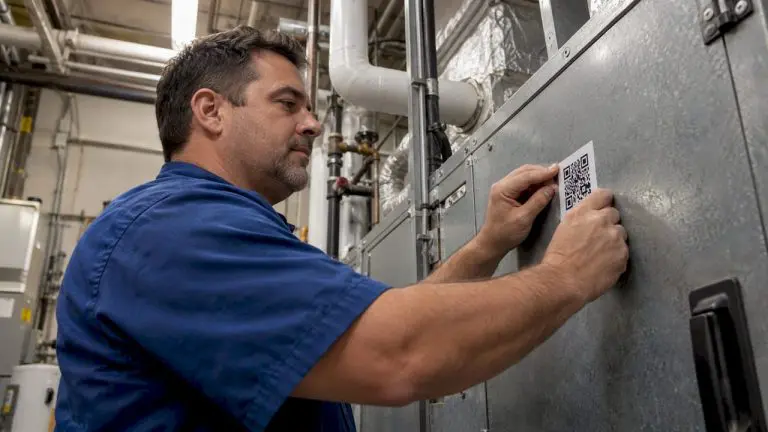

Combining preventive maintenance with CMMS transforms reactive chaos into calm, confident control.
If you’ve ever dealt with a surprise equipment breakdown in the middle of a busy day, you know it’s better to schedule a little maintenance than scramble for a last-minute repair. That’s where CMMS can help.
Whether you’re new to CMMS or just want to sharpen your routine, these tips and tricks can keep your preventive maintenance program purring like a well-oiled machine.
Tips & Tricks for Preventive Maintenance with CMMS
1. Start Small, Think Smart
Start with your most critical assets and build from there. Use your CMMS to create simple, recurring PM tasks. Over time, you can layer in more complexity, like seasonal checks or compliance-based inspections.
2. Set It and (Kind of) Forget It
CMMS software is built to take the guesswork out of scheduling. Set up time- or usage-based triggers so that your system automatically assigns work orders. That means fewer sticky notes, spreadsheets, or “Did I remember to…?” moments.
3. Make It Mobile
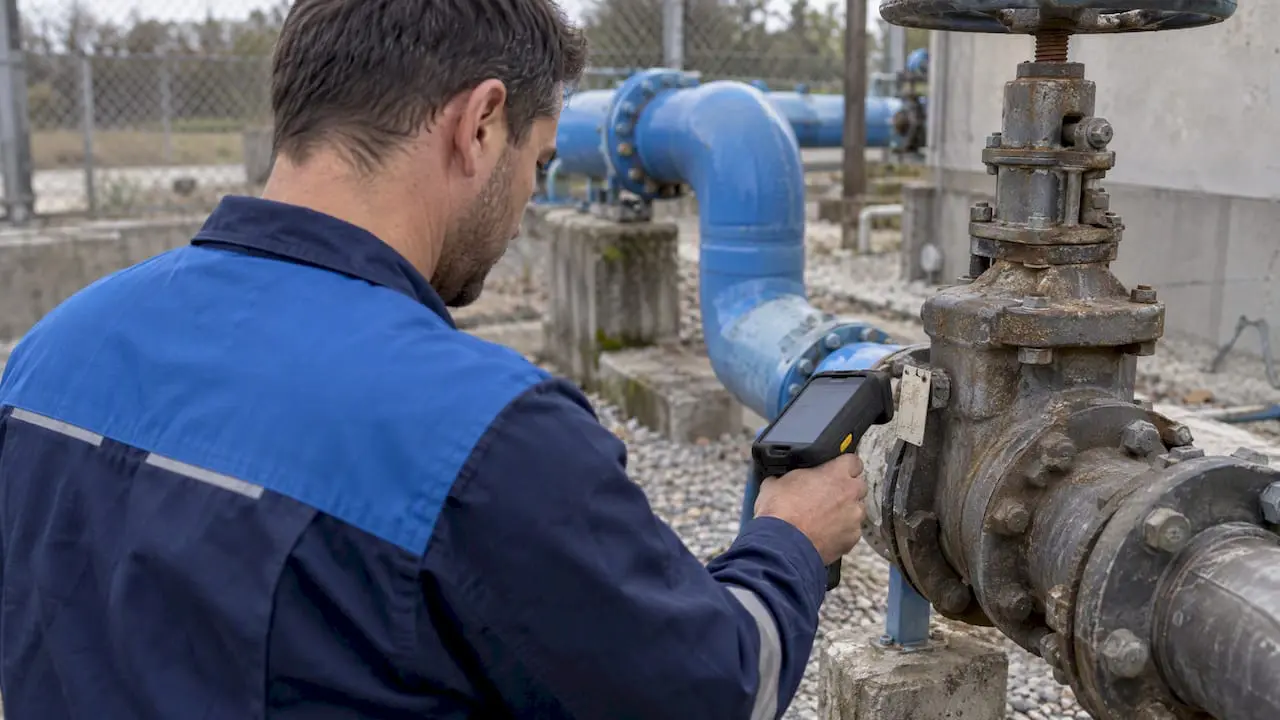
If your team is always on the go, make sure your CMMS works on phones or tablets. That way, techs can log work orders on the fly, snap photos, and check off tasks without running back to a desk—or deciphering their handwriting later.
4. Standardize Your Checklists
Make life easy for your techs. Create reusable checklists for common preventive maintenance tasks with CMMS. When everyone’s following the same steps, you cut down on confusion and help ensure nothing important slips through the cracks.
5. Watch the Data, Not Just the Calendar
A CMMS isn’t just a fancy calendar. Use it to track failure trends, cost histories, and asset lifecycles. Over time, you’ll start to see patterns—and opportunities to replace before it breaks, not after.
6. Review and Refine
Once a quarter, check your CMMS reports. Are PMs being done on time? Are breakdowns going down? Make little tweaks as needed, and don’t be afraid to retire tasks that aren’t pulling their weight.
7. Get the Team Involved
Preventive maintenance works best when everyone’s on board. Involve your technicians in setting up schedules and reviewing results. The more invested they are, the smoother things will run—and the fewer “surprise” issues you’ll face. See the differences between time-based, usage-based, predictive, and condition-based maintenance.
Preventive Maintenance with CMMS Gives You Control
Preventive maintenance isn’t about perfection—it’s about progress. A CMMS helps you move from reactive chaos to calm, confident control. And the best part? Once it’s humming along, it practically runs itself.
Want more tips and tricks to make your preventive maintenance easier with CMMS? Start with a free trial of MPulse. We make it easy