The Importance of Making Data-Driven Decisions

In business as in life, using anything other than complete, accurate data to make decisions can be both dangerous and costly. MPulse founder Steve Brous coined a term around it—”experitive.” A combination of “experiential” and “intuitive,” it describes a form of decision-making that relies on instinct instead of data. In reality, it often means working with no data. Steve strongly believed this kind of decision-making is less than optimal. Sometimes it gets you the results you’re looking for. However, without consistently good data, a business can’t make consistently good decisions. And without the ability to make sound decisions, a business can’t produce consistently good results. Ultimately, only data-driven decisions can drive the results necessary for your business to thrive and grow. Consider the following example. A Man Walks into a Bar… …or rather, an employee, Dave, walks into the cold storage area of Sam’s Saloon and thinks, “I can save the bar some money by upgrading the old storeroom refrigeration condenser.” Based on the energy rating of the system’s compressor, it keeps the storage area cooled for about $400 per month. Dave knows the condenser is getting old, likely leaking, and probably not living up to its original performance potential. How can he make the case to Sam that the bar is wasting money unnecessarily so he can buy a new condenser? If the purchase is approved, how will he prove to Sam that the investment is paying off? Dave could take two routes to prove his point: The Experitive Route Dave tells Sam, “I can save you lots of money,” but doesn’t say exactly how much. The new condenser (hopefully) gets approved and purchased. Through observation, Dave proclaims, “Seems better to me!” This might sound crazy, but it’s often how maintenance decisions are made—usually because people don’t think they can measure results or don’t understand how. The Data-Driven Route Dave installs a meter to monitor and measure energy consumption by the system. He discovers it’s actually costing $600 a month—$200 more than it should. He can now clearly back up his claim with numbers and get his purchase request approved. With a new condenser installed and energy usage back to what it should be, Dave is generating $200 per month in savings. That will pay for the new $1,000 condenser in five months and add $200 to Sam’s bottom line every month thereafter. But the benefits don’t end there. Dave can continue to monitor usage from now on. If it climbs back above $400, he can quickly fix the problem and avoid future waste. Having hard numbers not only helps you run your business, but it also allows you to measure and use a whole host of key performance indicators. It provides the ability to say, for example, “We were 12,000 kilowatt hours over our mean monthly energy consumption” instead of “Boy, looks like we used lots of energy this month.” With solid metrics, you can accurately assess the cost-effectiveness of any new equipment installations or facility improvements. Data-Driven Decision are as Easy (and Accurate) as One, Two, Three Sam’s Saloon provides a simplified example, but the power of good data increases exponentially if you’re using a CMMS. A modern CMMS solution will allow you to collect and report on data across your entire asset inventory, providing numerous measures to help you make better decisions and answer business-critical questions. Many contemporary CMMS solutions allow you to connect to meters and gauges directly, eliminating the need for meter readings and manual data entry. Even simple measures from work order records can provide powerful data. Consider another example: You might wonder, “How much am I spending on maintenance for each of my work order types?” The following graph answers this question. You can easily generate this type of report from a CMMS. At a glance, you’ll know exactly how much money each work order type is costing your business in maintenance for a specified timeframe (in this example, a year), and certain questions can be quickly answered: Beyond general questions, you can formulate precise questions that lead to a more informed, data-driven decision-making process: CMMS gives you accurate, complete data, and you can apply this data directly to purchasing or other important organizational decisions. Support Your Decisions with Numbers Don’t rely on intuition alone for your critical business decisions. Begin to ask yourself whether it’s possible to support your decisions with numbers. Then, identify opportunities where these numbers can inform your decision-making process. Finally, consider implementing a modern CMMS to help you gather complete and accurate data. You’ll quickly see the results in the most important place of all—your bottom line. To learn more about data-driven maintenance and some of the powerful, affordable tools that make it easy, contact MPulse today for a free demo at (800) 944-1796.
Preventive Maintenance ROI: Why It’s Worth the Investment

Whether it’s a car, an appliance, or industrial equipment, repairs can be costly and time-consuming. But what if you could avoid those unexpected breakdowns and save money in the long run? That’s the power of preventive maintenance. Preventive maintenance means taking care of equipment before it fails. It involves regular inspections, cleaning, lubrication, and replacing worn-out parts. By doing this, businesses and individuals can extend the life of their assets, improve efficiency, and reduce costs. Preventive Maintenance ROI Preventive Maintenance return on investment (ROI) is the money saved by taking care of equipment before it breaks. It compares the cost of regular check-ups and small repairs to the savings from avoiding big breakdowns, reducing downtime, making equipment last longer, and keeping things running smoothly. A high ROI means that spending a little on maintenance now saves a lot of money and trouble later, making it a smart choice for businesses and individuals. The return on investment (ROI) for preventive maintenance is significant, and here’s why. Lower Repair Costs One of the biggest benefits of preventive maintenance is saving money on repairs. Fixing something after it breaks is almost always more expensive than maintaining it properly. Emergency repairs often require rush orders for parts, hiring specialized technicians, and even shutting down operations while waiting for a fix. These unexpected expenses can add up quickly. With regular maintenance, small problems can be caught early and fixed before they turn into big, expensive issues. Extended Equipment Lifespan Think about your car. If you never change the oil, the engine will wear out much faster. The same goes for any piece of equipment. Regular maintenance helps keep everything running smoothly for a longer time. As a result, organizations don’t have to replace equipment as often, leading to big savings. Instead of buying new machinery or assets every few years, companies can get the most out of their investments. Improved Efficiency and Performance Well-maintained equipment works better, leading to lower energy costs and improved productivity. A machine that is clean and properly lubricated will run more efficiently than one that is dirty and neglected. In factories, well-maintained machines produce better-quality products with fewer defects. For facilities, maintaining heating and cooling systems can lower energy bills and keep workplaces comfortable year-round. Reduced Downtime When equipment breaks unexpectedly, operations may come to a halt. In businesses, this downtime means lost productivity and revenue. Employees may be unable to do their jobs, and customers may not receive their products or services on time. Preventive maintenance helps prevent these disruptions by keeping equipment in good working order. By scheduling maintenance during planned downtimes, businesses also can avoid sudden shutdowns and keep everything running smoothly. Increased Safety Faulty equipment can be dangerous. A worn-out part in a machine could lead to an accident, harming workers or customers. Regular maintenance helps identify and fix potential hazards before they cause harm. In particular, equipment failure could lead to serious injuries in industries like construction, manufacturing, and transportation. Better Compliance with Regulations Preventive maintenance ensures that equipment meets safety and environmental standards, helping businesses stay compliant with laws and regulations. Companies that ignore these rules may face fines, legal trouble, or even shutdowns. It also demonstrates a commitment to quality and safety, which can improve a company’s reputation. Not sure which trigger fits which asset? The strategy side is covered in a guide to preventive maintenance types. The Role of CMMS Software in Preventive Maintenance ROI CMMS helps businesses schedule, track, and document maintenance activities, ensuring nothing is overlooked. It provides automated reminders, keeps a record of maintenance history, and helps optimize inventory management for spare parts. By using CMMS, organizations can streamline their maintenance processes, reduce human errors, and improve overall equipment performance. Investing in CMMS software enhances preventive maintenance programs, making them more effective and cost-efficient. Cost vs. Benefit Analysis Some businesses hesitate to invest in preventive maintenance because it requires time and money. However, the costs of neglecting maintenance are often much higher. The National Institute of Standards and Technology reports that reactive approaches can incur costs that are 2 to 5 times higher than preventive strategies. Additionally, the money saved on replacements, energy efficiency, and reduced downtime far outweighs the upfront cost of regular maintenance. For example, a manufacturing company might spend $10,000 per year on preventive maintenance but save $50,000 in avoided repairs and lost production time. That’s a 400% return on investment! How to Implement Preventive Maintenance Starting a preventive maintenance program is easier than it sounds. Here are some simple steps: Why Preventive Maintenance ROI Matters Preventive maintenance one of the smartest investments a business or individual can make. It reduces costs, extends the life of equipment, improves efficiency, and enhances safety. While it may require some upfront effort and spending, the long-term savings and benefits make it well worth it. Instead of waiting for things to break, take action now and enjoy the rewards of a well-maintained system. In the end, prevention is always better than a costly cure. Have questions? Contact us. We’re here to help.
How to Use CMMS Data for Better Decision-Making

In today’s world, businesses rely on data to make smart choices, improve efficiency, and save money. One of the best tools for gathering and using maintenance data is CMMS. A CMMS helps track maintenance tasks, monitor equipment performance, and store important records. But having data isn’t enough—you need to know how to use it. Let’s explore how to use data from your CMMS to make better decisions. For the full metric set, see the maintenance metrics worth tracking. Understanding Your CMMS Data Your CMMS collects and organizes data related to maintenance. Information collected from work orders documents equipment history, downtime, repair costs, and more. Understanding your CMMS data can help businesses find problems early, prevent equipment failures, and plan for the future. Some common types of data stored in a CMMS include: Making Data-Driven Decisions with CMMS Data Predict and Prevent Equipment Failures One of the biggest benefits of a CMMS is predicting when equipment might fail. By analyzing past work orders and equipment performance, organizations can identify patterns and schedule maintenance before a breakdown happens (i.e., preventive maintenance). It helps reduce downtime and saves money on emergency repairs. Optimize Maintenance Schedules A CMMS provides insight into when equipment needs servicing. Instead of waiting for something to break, businesses can create a maintenance schedule based on data. As a result, the equipment stays in good condition, improving efficiency and safety. Reduce Maintenance Costs By tracking maintenance expenses, businesses can find ways to save money. For example, if a machine constantly needs repairs, it may be cheaper to replace it than keep fixing it. A CMMS helps compare costs and make smart financial choices. Improve Inventory Management Keeping track of spare parts is important for smooth operations. A CMMS helps businesses manage inventory by showing which parts are used most often and when to reorder supplies. This capability prevents delays and avoids unnecessary purchases. Increase Equipment Lifespan Regular maintenance keeps machines running longer. By using CMMS data to track equipment history, businesses can follow proper maintenance schedules and extend the life of their assets, which reduces the need for frequent replacements and lowers overall costs. Measure Maintenance Team Performance A CMMS records how long it takes to complete work orders and tracks employee productivity. As a result, managers identify areas for improvement and provide additional training if needed. A more efficient team leads to better overall performance. Ensure Compliance and Safety Many industries have strict safety and maintenance regulations. A CMMS keeps detailed records of inspections, repairs, and compliance checks. This documentation ensures businesses meet legal requirements and maintain a safe working environment. Turning CMMS Data into Action Collecting data is only useful if businesses act on it. Here are some steps to turn CMMS data into real improvements: How CMMS Data Helps Your Organization By understanding and using CMMS data effectively, companies can reduce costs, improve efficiency, and extend the life of their equipment. Instead of guessing when to perform maintenance, you can rely on real data to make informed choices. Contact us to start making data-driven decisions today. You’ll see the benefits in the long run!
How to Create a Fire Safety Maintenance Plan

Fire safety is a critical part of property maintenance, ensuring the safety of occupants and the protection of property assets. Regular inspections and repairs are key to preventing fires and minimizing risks. Here’s a guide to essential fire safety maintenance tasks to keep your property safe and compliant. Why Fire Safety Maintenance Matters Fire safety maintenance is not just about compliance with local laws and regulations—it’s about saving lives and reducing property damage. Regular maintenance ensures that fire prevention systems work when needed, helping to avoid catastrophic consequences. Neglecting these systems can lead to severe penalties, costly repairs, and, most importantly, increased danger for occupants. CMMS for Fire Safety Maintenance Investing in CMMS can greatly streamline fire safety tasks, improving both efficiency and compliance. CMMS software offers a centralized platform to manage all aspects of maintenance, helping ensure fire safety standards are met consistently and effectively. With CMMS, you can: By adopting CMMS, you can enhance the efficiency of your fire safety program, reduce administrative burdens, and increase the safety and reliability of your property. Key Inspections for Fire Safety Maintenance Using this list of fire safety inspections, property maintenance teams can create a safer environment by protecting the property from fire-related risks. Regular Maintenance Tasks Repairs and Upgrades Benefits of Proactive Fire Safety Maintenance A well-thought-out and consistently implemented proactive fire safety plan provides many advantages, ensuring the safety of occupants, preserving property, and streamlining operations. Key benefits include: By prioritizing a proactive fire safety plan, you can ensure a safer environment for everyone involved while protecting your investment and reputation. Conclusion Fire safety maintenance is an ongoing responsibility that requires attention to detail and a commitment to regular inspections and repairs. Prioritizing fire safety not only ensures compliance but also provides peace of mind, knowing that you’ve taken all possible measures to prevent disaster. For how a CMMS keeps records audit-ready across regulations, see CMMS compliance hub. Have questions? Contact us. We’re here to help.
How to Create a Proactive Property Maintenance Plan

A proactive property maintenance plan reduces repair costs while also ensuring the space remains safe, energy-efficient, and hassle-free to oversee. Instead of waiting for things to break, a solid property maintenance plan helps you fix small problems before they turn into big ones. It also helps you keep the property looking nice and running smoothly. Here’s how you can create an effective and proactive maintenance plan. Why You Need Proactive Property Maintenance Plan Proactive maintenance, also called preventive maintenance, means taking care of things before they break. This strategy works much better than waiting for something to go wrong. A proactive property maintenance plans helps you: Decide What Proactive Property Maintenance Tasks You Need Every property is different, so start by looking closely at yours. Check: Schedule Maintenance Tasks with CMMS A schedule helps you stay organized. CMMS software can help you: With CMMS software, you can stay organized and save time, especially if you manage multiple properties or a large building. Plan tasks based on how often they need to be done. For example, use CMMS to schedule: Other Ways CMMS Can Help Proactive maintenance costs money upfront, but it saves more in the long run. Why a Proactive Property Maintenance Plan Pays Off Having a proactive maintenance plan takes time and money, but it pays off. A well-cared-for property attracts good tenants, saves on repairs, and stays valuable. Over time, you’ll spend less and enjoy a property that’s safe, efficient, and easy to manage. By staying on top of maintenance, you’ll keep your property in great shape and avoid many problems down the road. If you are building the program from scratch, start with facility maintenance explained. Need to create a proactive property maintenance plan? Contact us. We’re here to help.
Calculate Your CMMS Return on Investment
Calculate your CMMS ROI by measuring the financial benefits of its use against its implementation and operational costs.
How CMMS Supports FDA Compliance
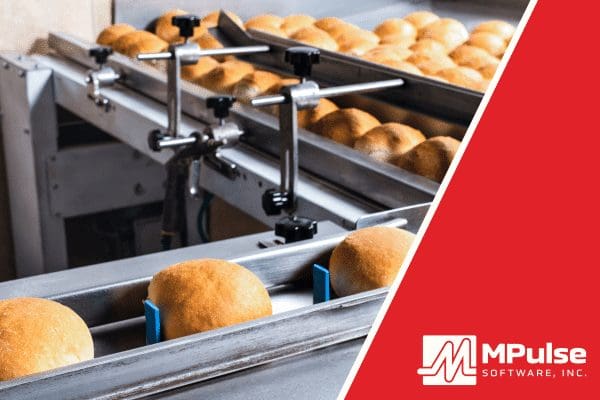
CMMS supports FDA compliance for manufacturers by streamlining maintenance processes, ensuring accurate record-keeping, and facilitating traceability throughout the production lifecycle. CMMS Supports FDA Compliance for Manufacturers The FDA creates rules to make sure food and drinks are safe, clean, and labeled correctly. These rules help keep the public healthy by preventing contamination, harmful ingredients, and misleading labels. They also help build trust between manufacturers and customers by ensuring that products meet high standards for quality and safety. Here’s how CMMS can help manufacturers with compliance. Accurate Records The FDA requires food manufacturers to keep detailed records, especially under laws like the Food Safety Modernization Act (FSMA). CMMS supports FDA compliance by automatically recording tasks like equipment maintenance, cleaning schedules, and inspections. As a result, maintenance teams can make sure no important steps are skipped or recorded incorrectly. Regular Maintenance Keeping machines clean and working properly is essential in food production. For example, dirty or broken equipment can lead to contamination from things like bacteria or leftover materials. CMMS supports FDA compliance by scheduling regular maintenance to ensure timely cleaning and inspection of equipment. By doing this, manufacturers avoid problems like product recalls, fines, or delays. It also keeps production quality consistent and ensures every batch of food or drink meets safety standards. Automated alerts from the CMMS make it easier to stay on top of these tasks. Tracking and Reporting CMMS also supports FDA compliance by recording details about every maintenance job: who did it, when, and what was done. These records create a clear trail that helps identify and fix problems quickly. If the FDA inspects the facility, manufacturers can easily provide reports to show they are following the rules. As a result, manufacturers save time and can easily prove compliance. Managing Parts and Supplies FDA rules require the use of specific parts and supplies, like food-safe lubricants, in manufacturing equipment. CMMS supports FDA compliance by tracking these supplies to make sure only approved items are used. It can also reorder supplies automatically when they run low, helping avoid downtime and keeping production safe. Storing Documents Many CMMS platforms let manufacturers store important documents, like maintenance logs, employee training records, and operating procedures, in one secure place. This makes it easy to find and update documents when needed, especially during inspections. Training Employees CMMS platforms can track employee training and certifications, sending reminders when needed. This ensures only properly trained workers handle critical equipment, reducing errors and supporting compliance with FDA rules. CMMS Supports FDA Compliance CMMS helps food and beverage manufacturers follow FDA rules by organizing records, scheduling regular maintenance, and ensuring employees receive proper training. As a result, manufacturers can reduce risks, protect consumers, and ensure products are safe and high-quality. Have questions about how CMMS supports FDA compliance? Contact us. We’re here to help.
How Work Orders in CMMS Can Streamline Your Maintenance Processes
Using work orders in a CMMS simplifies maintenance processes by organizing tasks, improving communication, and ensuring efficiency. Organizations must keep operations running smoothly to succeed. When maintenance gets delayed or mixed up, it can cause downtime and cost money. Old ways of handling maintenance, like using paper or spreadsheets, can be confusing and slow. That’s where work order software comes in—it’s a tool that helps make maintenance easier and faster. Work Orders in CMMS Keeps Everything in One Place Work order software puts everything you need for maintenance in one spot. As a result… Teams stay organized and get work done more easily when they can see everything in one place. Better Team Communication Additionally, good communication is key to fixing problems fast. Managing work orders in CMMS software helps teams stay connected with features like notifications, mobile access, and in-app messaging. For example, a worker can get instructions or updates on their phone, so jobs get done quicker. Easy Scheduling and Prioritizing It’s hard to keep track of what needs fixing first. Work order software also can schedule tasks automatically and make sure the most important ones get done first. This capability helps teams focus on what matters most and avoid missing deadlines. Helpful Reports and Data Additionally, work order software also creates reports to show how well things are working. As a result, these reports can: With this information, companies also can fix problems faster and plan smarter. Save Money and Time with Work Order Software Using work order software can save money by cutting downtime and keeping equipment working longer. It also shows where businesses spend money, making it easier to budget and plan. Work Orders in CMMS on the Go Many work order systems have mobile apps. With mobile devices, workers can: As a result, mobile apps make it easier for teams to stay on top of things and keep records accurate. Work Orders in CMMS Streamlines Maintenance Processes Work order software is a great way to make maintenance smoother and faster. It helps teams stay organized, improves communication, and saves money. Whether you’re running a factory, managing a fleet of vehicles, or taking care of a building, this tool can help you stay ahead. Ready to upgrade your maintenance process? Contact MPulse to find out how work orders in CMMS can help your organization.
Get the Most Out of Your CMMS Customization
Customizing a CMMS ensures your maintenance software aligns with your unique workflows and requirements. By tailoring the software, you streamline the processes for both the employees who manage work orders and those who rely on the data generated, so it is both accessible and relevant. How Does CMMS Customization Help? CMMS customization allows users to capture the specific data they need and to generate custom reports on the metrics that matter most to your team and organization. As a result, your CMMS software should gather data in a way that reflects the details and codes your organization tracks, such as unique identifiers or internal classifications. Customizing fields, layouts, and reports ensures that this critical information is readily available and organized to suit your needs. Advanced Customization Feature At MPulse, we understand the importance of customizing CMMS software. That’s why our MPulse Advanced Customization feature offers flexible options for users to tailor their software quickly and effectively. Key customization features include: MPulse users can make these adjustments independently within the software, creating nearly limitless customization possibilities. This adaptability can enhance the functionality and relevance of your CMMS, helping build buy-in from key stakeholders who see its immediate benefit in capturing and reporting data. Seamless Implementation Successful CMMS implementation often hinges on customization, as stakeholders and team members are more likely to embrace software that fits seamlessly into their work processes. For instance, MPulse customer Mike saw the benefits of customization first-hand. He recognized that some technicians were not comfortable with computers. However, he used MPulse’s Advanced Customization features to simplify the data entry process. Mike created specific work order layouts with only the essential fields. That made it easy for his team to use the system without being overwhelmed by unnecessary details. As Mike puts it, “I created form view and record view layouts that had everything the guys need to see—and nothing they don’t need to see. The latter is just as important, if not more so.” Customized CMMS software can mean the difference between successful, engaged use of your investment and expensive, underutilized software. To learn more about leveraging CMMS customization to meet your organization’s goals, contact MPulse. We’re here to help you get the most out of your software.
How CMMS Supports PFMEA Implementation
CMMS supports PFMEA by centralizing information, including data, real-time monitoring, and efficient maintenance processes. Because CMMS helps track equipment performance, spot patterns, and predict potential failures before they happen, PFMEA can identify and reduce risks more efficiently. CMMS sends real-time alerts when equipment is not performing as expected, allowing maintenance teams to address issues early and prevent larger problems. It also keeps a record of equipment usage, repairs, and inspections, which helps refine PFMEA assessments and prioritize critical maintenance tasks. By using CMMS with PFMEA, organizations can prevent failures, improve equipment reliability, ensure safety, and maintain smooth operations, reducing downtime and repair costs. This combination creates a strong system for managing maintenance and minimizing risks. What is PFMEA? Why Manufacturers Use PFMEA The Role of Maintenance in PFMEA Key Elements of PFMEA How CMMS Supports PFMEA The Benefits of PFMEA What Is PFMEA? Process Failure Modes and Effects Analysis (PFMEA) looks at each step of a process to determine possible failure points (failure modes), their causes, and their effects on the process or product. Next, manufacturers can assess the risks associated with failures and prioritize actions to reduce or eliminate them. The goal is to minimize the risk of failures and improve process reliability and quality. See how MPulse CMMS helped Siemens Building Technologies Group improve their lean manufacturing philosophy. Back to Top In short, combining CMMS with PFMEA helps manufacturers improve processes, predict and prevent equipment failures, and strengthen preventive maintenance. This approach optimizes resources, supports data-driven decisions, ensures safety, and boosts compliance, leading to a more efficient, reliable, and cost-effective operation. Back to Top