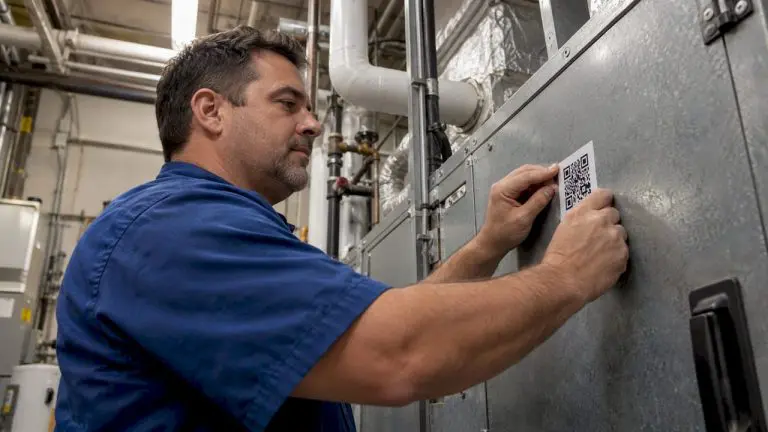

Maintenance requires the right knowledge and the right tools. CMMS software provides your maintenance team with both.
But CMMS software doesn’t just help you fix problems. It can also help you avoid problems in the first place. When it’s your job to fix things, it’s always good to have fewer problems on your list. For a side-by-side view of the market, see top CMMS platforms.
Five Maintenance Problems You Want to Avoid
CMMS software can help you with maintenance problems, like…
- Missed prevent maintenance tasks. With CMMS software, you can schedule maintenance intervals based on time intervals or asset condition, which triggers a work order just before the point when system inefficiencies or failures begin to occur. Regular preventive maintenance also ensures equipment is properly calibrated and lubricated when it needs to be.
- Unavailable parts. The number one reason for delayed repairs is unavailable parts. CMMS manages your parts inventory, prevents under-stocking and over-stocking, and streamlines reordering. CMMS software also can determine your current inventory levels and automatically generate purchase orders based on need, reducing purchasing overhead. You also can track parts to stock based on availability. For example, if a part has a three-week lead time, you can adjust stocking levels to make sure it is available when your staff needs it.
- Miscommunication. CMMS software helps you eliminate lost information as well as reduce confusion and errors. With CMMS software, your employees know what their priorities should be as well as when they’ll need to complete maintenance work around other activities. With automated communication tools, CMMS software also lets the right people know the status of their maintenance requests.
- Historical information and technical resources. CMMS software automatically records work completed on an asset. Plus, you can link to important documents, maintenance manuals, videos, photos, supplier websites, intranets, and more. All the information is stored with the record, so it’s easily accessible the next time around.
- Repair or replace. CMMS software gives you hard data about the age of the equipment and the miles, hours, life-to-date repair dollars, and other metrics—so it’s easier to decide when it’s time to replace an asset instead of repair it. You’ll have all the information at your fingertips to determine the total cost of ownership, making your decision much easier.
How can MPulse CMMS software help your maintenance team avoid problems like these? Leave a comment or contact us. We’re here to help.