Enhancing safety with CMMS helps keep your team safe by streamlining safety protocols, tracking maintenance tasks, and ensuring compliance with safety regulations.
Maintenance and safety go hand in hand, and prioritizing maintenance creates safer work environments.
Proactive maintenance helps your organization keep equipment reliable, reduce risks, follow regulations, improve performance, and extend equipment life. But perhaps most importantly, a solid maintenance strategy boosts your employees’ confidence that their safety is your priority.
Organizations can enhance safety by implementing a CMMS software as part of a comprehensive maintenance program.
How to Enhance Safety with CMMS
CMMS helps keep your team safe in multiple ways.
Equipment Reliability
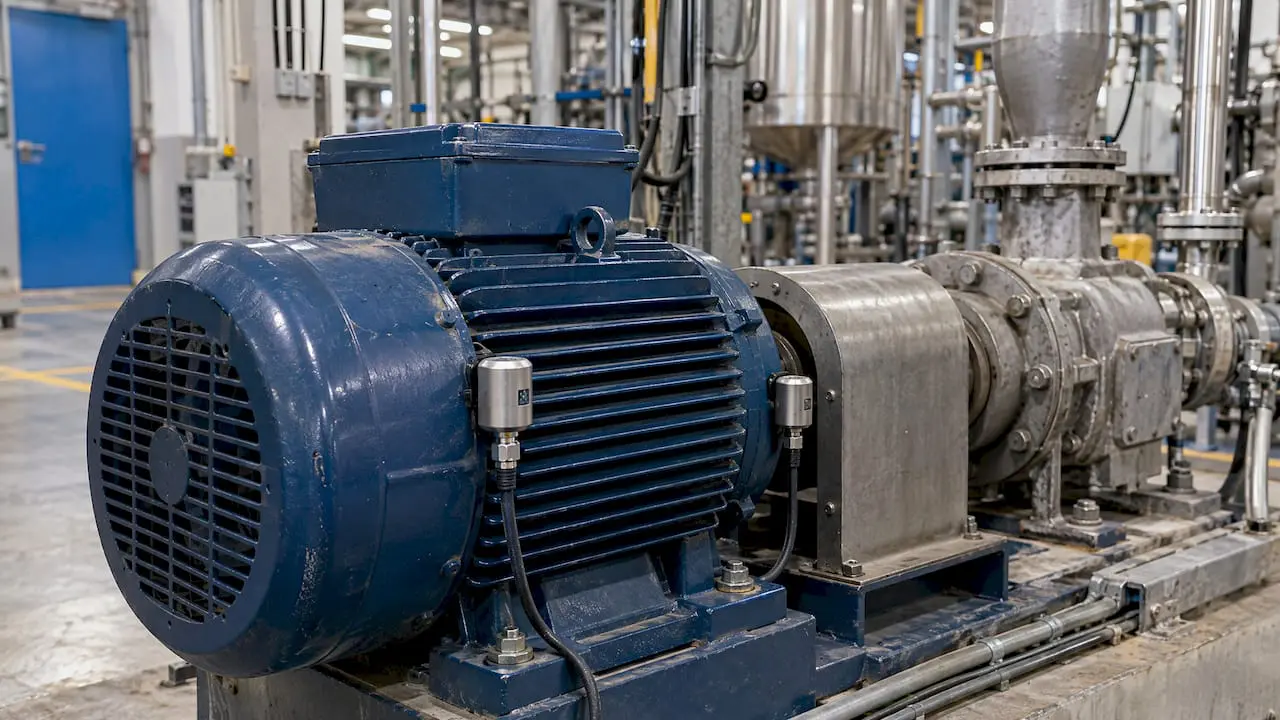
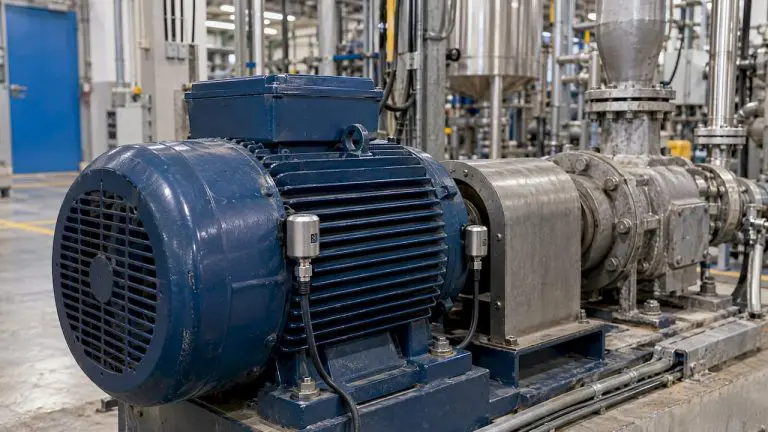
Regular maintenance ensures that equipment, machinery, and systems are in good working condition. Faulty or malfunctioning equipment can pose significant safety risks, leading to accidents, injuries, or even fatalities. By using CMMS software to streamline preventive maintenance, potential issues can be identified and addressed before they escalate.
Lockout/Tagout Procedures
Lockout/tagout (LOTO) procedures ensure the safety of workers when servicing or maintaining equipment or machinery. The process prevents the unexpected startup or release of hazardous energy that could cause injury or accidents. CMMS software can help ensure procedures are standardized and clear, so equipment cannot be operated while maintenance or repair work is being performed.
Reporting Systems
CMMS software can support an effective system for reporting safety incidents, near misses, and potential hazards. Employees can report any safety concerns promptly, and the information is easily accessible to the maintenance team. Managers also can regularly analyze and investigate reported incidents to identify root causes and take corrective actions.
Risk Mitigation
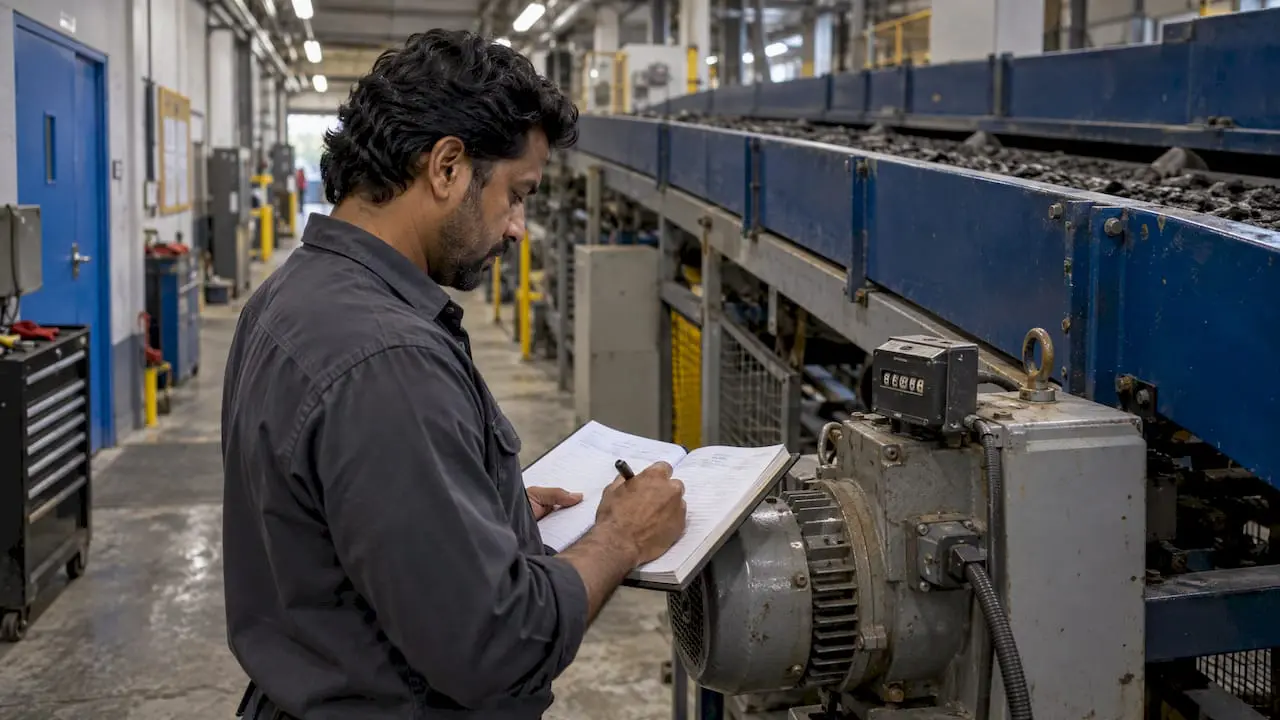
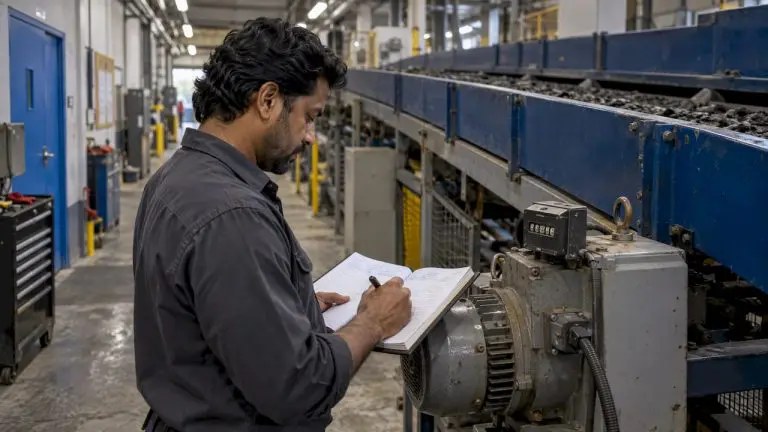
Maintenance activities help identify and address potential hazards associated with equipment or infrastructure. CMMS can help with standardized checklists and scheduled inspections to test for worn-out components, loose connections, leaks, or any other signs of deterioration that could compromise safety. Timely maintenance reduces the likelihood of equipment failure, which could result in accidents or unsafe conditions.
Regulatory Compliance
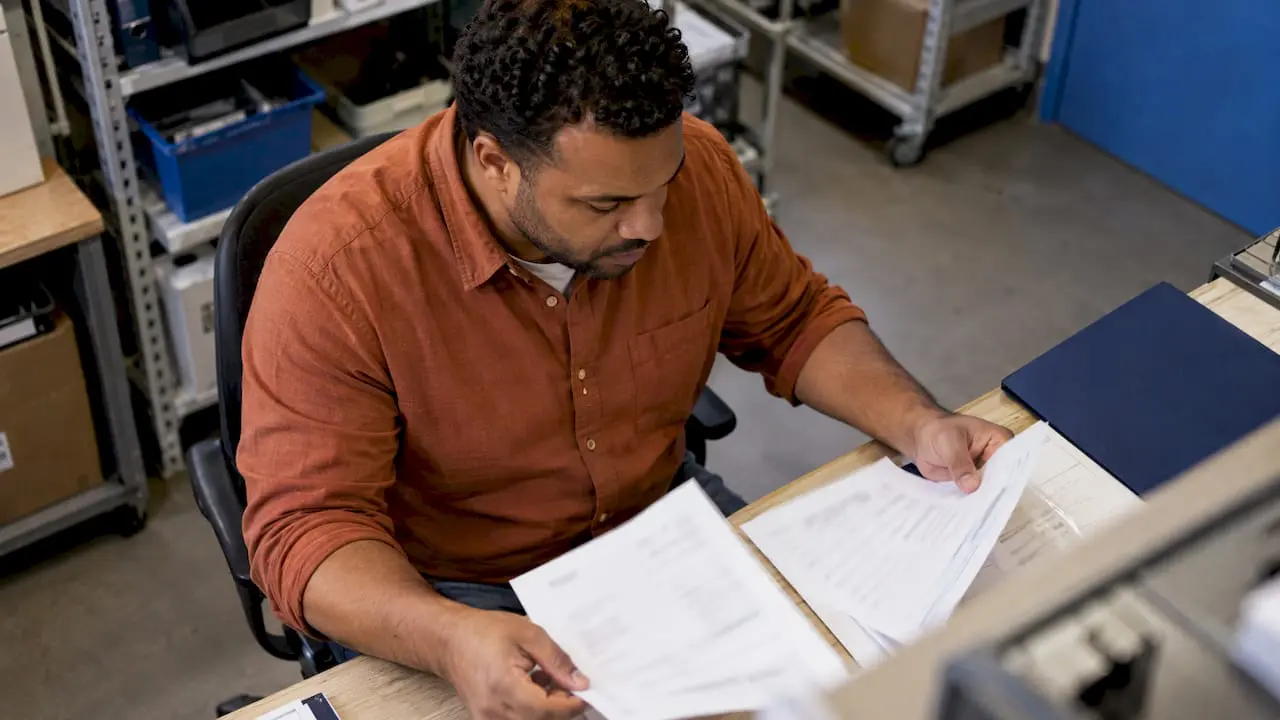
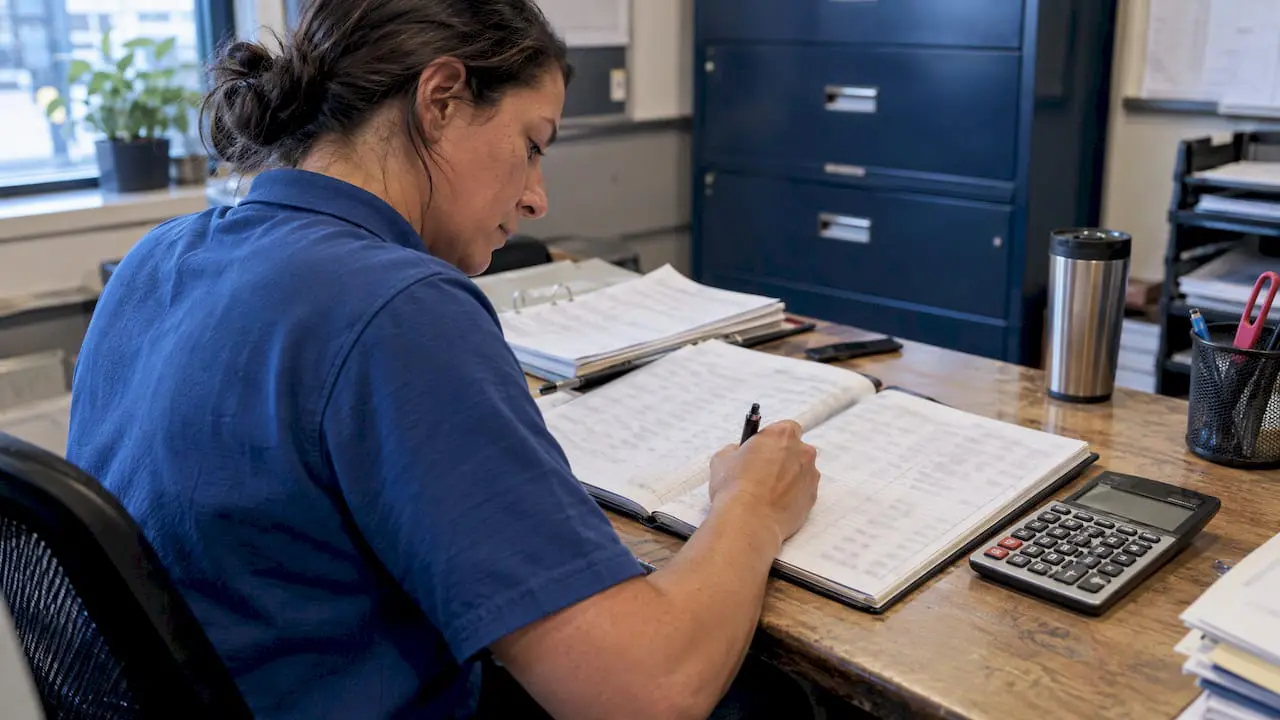
Many industries are subject to regulatory requirements regarding equipment maintenance and safety. CMMS makes compliance easy by documenting maintenance tasks with every work order. Compliance with regulations is not only a legal obligation but also crucial for safeguarding the well-being of workers and the general public.
Asset Performance
Regular maintenance helps equipment operate at its optimal performance levels. Well-maintained machinery is more likely to function efficiently, reducing the likelihood of unexpected failures or breakdowns that can compromise safety. Equipment that is properly calibrated, lubricated, and maintained is less prone to errors, providing a safer working environment.
Extended Equipment Lifespan
Proper maintenance can extend the lifespan of equipment, minimizing the need for premature replacements. Replacing equipment can be both costly and disruptive. By implementing regular maintenance practices with CMMS, organizations can ensure that equipment remains in serviceable condition for longer periods, reducing the risk of accidents associated with older or outdated equipment.
Employee Confidence
Regular maintenance and software tools like CMMS can contribute to a sense of safety and well-being among employees. Knowing that equipment is well-maintained and in good working order instills confidence in the working environment. It also fosters a positive safety culture where employees feel their safety is a priority, leading to increased job satisfaction and morale. For how a CMMS keeps records audit-ready across regulations, see the CMMS as the system of record for audits.
Improve Safety with CMMS
By prioritizing maintenance practices, organizations can create safer work environments and reduce the likelihood of accidents or incidents.
Have questions about using CMMS to strengthen safety in your organization? Contact us. We can help.