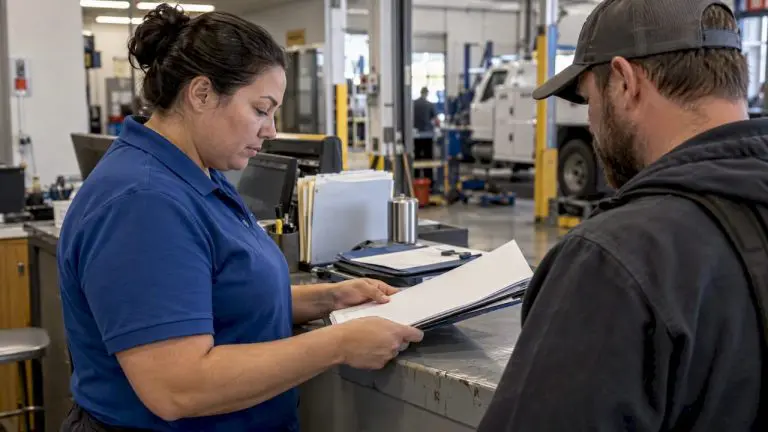

A healthcare maintenance compliance gap is the space between what a regulation, accreditation standard, or internal policy requires for equipment and facility upkeep, and what your maintenance records actually prove happened. It shows up as a missing preventive maintenance log, an expired calibration certificate, or a work order with no completion signature. Left alone, these gaps put patient safety at risk and expose your facility to citations, accreditation findings, or worse during a survey.
The right response is not a facility-wide audit. It is a scoped gap analysis focused on your highest-risk assets first.
- Define the standard you’re measuring against (Joint Commission, CMS, state licensing, OSHA)
- Pull maintenance evidence for critical equipment: PM logs, calibration records, work orders
- Compare what exists against what the standard requires
- Flag missing or undocumented items as gaps, not assumptions
Key Takeaways
Closing a healthcare maintenance compliance gap requires scoping evidence against a named standard, ranking findings by risk, and using software to make the audit trail automatic.
| Point | Details |
|---|---|
| Define the gap precisely | A compliance gap is missing or undocumented maintenance evidence measured against a named standard, not a vague sense something’s off. |
| Separate the three methods | Gap analysis finds what’s missing, risk assessment ranks why it matters, and effectiveness evaluation tests if the control works. |
| Scope before you audit | Focus a gap analysis on high-risk assets and a defined timeframe rather than attempting a facility-wide review at once. |
| Prioritize by impact x likelihood | Push patient safety, critical systems, and regulatory obligations to the top of the remediation backlog first. |
| Automate the evidence trail | MPulse CMMS timestamps PM completions and centralizes work orders, contractor files, and inventory into one audit-ready record. |
Table of Contents
- What Is a Healthcare Maintenance Compliance Gap Compared to a Risk Assessment?
- Common Maintenance Compliance Issues in Healthcare Facilities
- How to Run a Maintenance Compliance Gap Analysis
- Prioritizing Compliance Gaps by Risk, Not Just by List Order
- How CMMS Software Helps Close Maintenance Compliance Issues
- Staying Audit-Ready After the Gaps Close
- Fix What Actually Puts Patients at Risk First
- See How MPulse CMMS Closes Maintenance Compliance Gaps
- Sources
- FAQ
What Is a Healthcare Maintenance Compliance Gap Compared to a Risk Assessment?
A gap analysis and a risk assessment answer different questions, and mixing them up wastes time. A gap analysis is a checklist exercise: it compares your current maintenance practices to a required standard and flags what’s missing or incomplete. It tells you what’s wrong, not how badly it matters.
A risk assessment layers likelihood and impact on top of that list, ranking gaps by how much damage each one could cause if it stays unresolved. An effectiveness evaluation goes one step further still: it tests whether a control actually works in practice, not just whether it exists on paper. That distinction matters when a surveyor asks not just “do you have a calibration policy,” but “can you prove this specific ventilator was calibrated on schedule.”
- Gap analysis: current state vs. required standard, checklist-driven
- Risk assessment: likelihood x impact, used to rank gaps by urgency
- Effectiveness evaluation: tests whether the control performs, not just whether it’s documented
Regulatory guidance tends to favor independent effectiveness evaluations for high-risk systems, since they carry more credibility with accreditors than an internal checklist alone.
Pro Tip: Run a gap analysis first to find the missing pieces, then apply a risk assessment to decide which ones to fix this quarter versus next year.
Common Maintenance Compliance Issues in Healthcare Facilities
Most compliance gaps repeat across facilities because they come from the same operational blind spots. Here’s where to look first.
- Missing or incomplete PM schedules. Preventive maintenance exists on paper but has no timestamped record confirming the work was actually done.
- Incomplete calibration or qualification logs. Medical equipment calibration is overdue, undocumented, or missing the technician’s qualification record entirely.
- Absent work order evidence. Work orders lack signatures, completion timestamps, or parts used, leaving no proof the repair happened as described.
- Contractor credentialing gaps. Outside vendors work on critical systems without current licenses, insurance certificates, or a documented scope of work on file.
- Inventory and parts record gaps. Missing parts records delay repairs on life-safety equipment, turning a routine fix into an extended downtime event.
- Practice drift. The policy manual says one thing, but staff on the floor do another, and nobody has checked the two against each other in months.
How to Run a Maintenance Compliance Gap Analysis
A useful gap analysis follows a repeatable method, not a one-off scramble before a survey. Here’s the sequence that produces defensible, audit-ready findings.
- Scope it. Pick the standard (Joint Commission, CMS conditions of participation, state licensing), the asset group (imaging, sterile processing, life-safety systems), and a timeframe. A focused scope on high-risk assets delivers faster, more defensible results than trying to review everything at once.
- Map requirements to testable expectations. Translate each regulatory obligation into a concrete evidence expectation: what a compliant PM log, calibration record, or contractor file actually looks like.
- Collect the evidence. Gather PM logs, work orders, calibration certificates, contractor credential files, and staff training records for the assets in scope.
- Test it. Don’t just check that a document exists. Use sampling and walkthroughs to confirm the process behind it actually functions the way the policy says it should.
- Record every finding. Log the evidence gap, its severity, the likely root cause, an assigned owner, and a remediation deadline.
- Build the remediation plan. Convert findings into assigned tasks with verification steps, not just a list of problems.
Healthcare organizations often juggle overlapping federal, state, and industry rules that say similar things in slightly different ways. Mapping out duplications and exemptions first, including flexibility clauses under HIPAA, simplifies what your actual target standard looks like before you start comparing it to current practice.
- Evidence to pull: PM logs, calibration certificates, work orders, contractor files, training records
- Test method: sampling, walkthroughs, system checks, not document review alone
- Output: a finding log with severity, root cause, owner, and deadline attached to each gap
Prioritizing Compliance Gaps by Risk, Not Just by List Order
A flat list of findings tells you nothing about where to spend your first dollar. Score each finding by likelihood and impact, then rank the backlog accordingly. A gap analysis identifies what’s missing; a risk assessment tells you why each gap actually matters.
Push anything touching patient safety, a critical system like sterile processing or emergency power, or a direct regulatory obligation to the top of the queue. Everything else can wait behind it.
- Score findings using impact x likelihood, not gut feel or squeaky-wheel pressure
- Put interim controls in place for urgent gaps while the permanent fix gets scheduled
- Budget for both labor hours and parts cost when setting remediation timelines
- Revisit the ranking monthly, since new findings and completed fixes shift priorities
Pro Tip: An interim control, like manual double-checks on a piece of equipment awaiting a calibration fix, buys you time without pretending the underlying gap is closed.
How CMMS Software Helps Close Maintenance Compliance Issues
Manual tracking is where most compliance gaps are born. Spreadsheets get outdated, paper logs get lost, and nobody notices a missed PM until a surveyor asks for it. A computerized maintenance management system changes that by making the evidence trail automatic instead of optional.
MPulse CMMS automates preventive maintenance scheduling and timestamps every completion, so the record exists the moment the work happens, not weeks later when someone remembers to log it. Work orders, contractor credentials, and inventory all live in one place, creating a single audit trail instead of scattered folders across departments.
- Automated PM scheduling with timestamped completion records for every asset
- Centralized work orders, contractor files, and parts inventory in one system
- Calendar interface and system integrations that flag missed tasks before they become gaps
- IIoT and condition-based monitoring that catch equipment drift before it causes unplanned downtime
- Dashboards and reports that show leadership exactly where remediation stands
Regulatory guidance already points this direction: compliance software that automates checklists and keeps documentation trails current makes audit readiness a byproduct of daily operations, not a separate project.
Facilities that rely on paper or spreadsheets for maintenance evidence tend to discover their gaps during a survey. Facilities running a CMMS built for compliance tracking tend to discover them the month before, when there’s still time to fix them.
Staying Audit-Ready After the Gaps Close
Closing a gap once doesn’t mean it stays closed. Assign a specific owner to each remediation item and build verification into that person’s regular routine, not a once-a-year checklist. A gap analysis should feed continuous monitoring, not sit as a one-time report on a shelf.
Schedule periodic verification audits that sample a percentage of your evidence, the same way an external surveyor would. Track remediation progress on a dashboard leadership actually looks at.
- Assign named owners to every remediation item, with a completion deadline attached
- Run quarterly sample audits instead of waiting for the annual survey
- Report completion metrics to leadership on a recurring cadence, not just when asked
- Bring in a third-party independent review for high-risk systems where regulators expect more than an internal checklist
Fix What Actually Puts Patients at Risk First
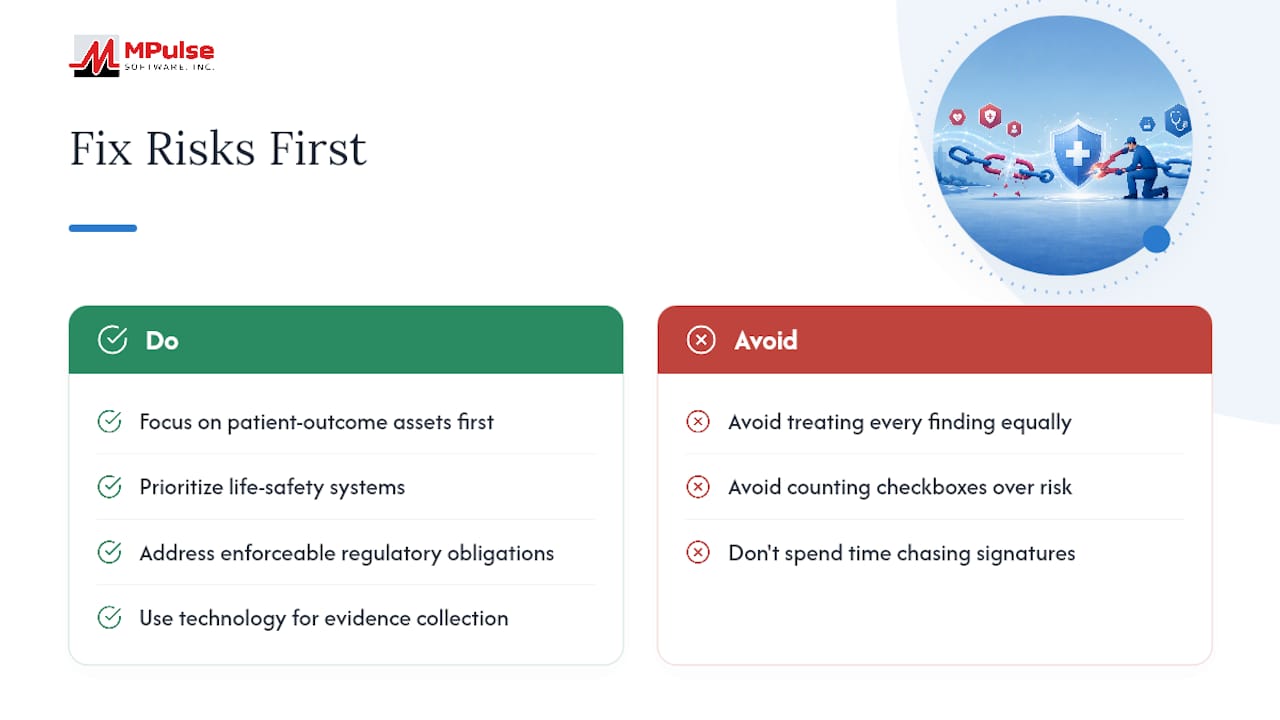
Most facilities have a stack of paperwork gaps that look urgent but change nothing about patient safety. The mistake is treating every finding as equally important because it’s easier to count checkboxes than to weigh risk.
Focus the first pass of any remediation plan on assets tied directly to patient outcomes, life-safety systems, and enforceable regulatory obligations. Technology should carry the weight of evidence collection so your team’s time goes toward judgment calls, not chasing down missing signatures. Measure success by whether risk actually dropped, not by how many line items got closed.
See How MPulse CMMS Closes Maintenance Compliance Gaps
MPulse CMMS turns the manual evidence chase described above into an automatic byproduct of daily maintenance work. Instead of hunting for a missing PM log the week before a survey, your team works from a system that already timestamped it.
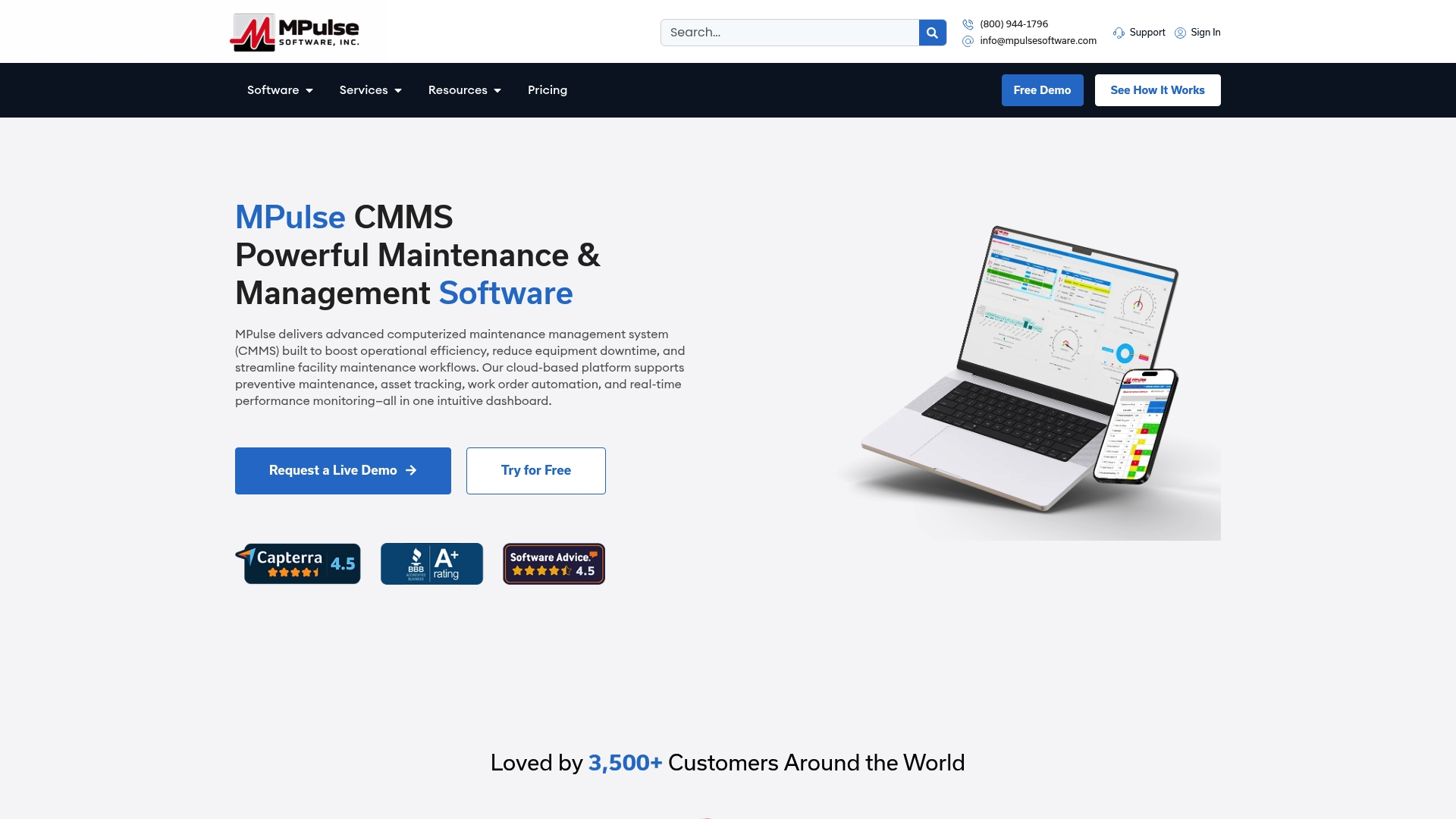
The platform’s calendar interface schedules preventive maintenance automatically, its IIoT and condition-based monitoring catch equipment drift before it becomes downtime, and its integrations pull work orders, contractor credentials, and parts inventory into one auditable record. More than 3,500 organizations run on MPulse Software, with customers reporting significant efficiency gains after switching from manual tracking. If your facility is still piecing together evidence from spreadsheets and paper logs, that gap is exactly where a CMMS built for compliance pays off fastest. Request a demo to see how it maps to your standards before your next survey.
Sources
For deeper methodology on gap analysis versus risk assessment, see Secureframe’s compliance gap analysis guide and the HIPAA Journal’s healthcare gap assessment guidance.
- The Difference Between a Compliance Gap Analysis and an Effectiveness Evaluation – Strategic Management Services, LLC
- Assessing healthcare compliance gaps – HIPAA Journal
- How to Run a Compliance Gap Analysis – CompliPal
- Secureframe blog on compliance gap analysis
FAQ
What is a healthcare maintenance compliance gap?
It’s the difference between what a regulation or accreditation standard requires for equipment maintenance and what your documented records actually prove happened.
How is a gap analysis different from a risk assessment?
A gap analysis identifies missing or incomplete controls against a standard, while a risk assessment ranks those gaps by likelihood and impact to decide what to fix first.
How often should a maintenance compliance gap analysis run?
It should feed into continuous monitoring rather than a once-a-year event, with periodic sample audits verifying that closed gaps stay closed.
Can CMMS software prevent compliance gaps from forming?
MPulse CMMS reduces gap formation by automating preventive maintenance scheduling and timestamping completions, so evidence exists the moment work happens instead of relying on manual logging.
When should a facility bring in a third-party review instead of an internal gap analysis?
High-risk systems, or areas facing direct regulatory scrutiny, benefit from an independent effectiveness evaluation, which carries more credibility with accreditors than an internal checklist alone.