
How Tablets Can Improve Your Maintenance Team’s Productivity

Mobile technology has improved my productivity—specifically my smartphone has made it easier to work while I’m away from my desk. But another type of mobile technology also has made a huge impact on my work life—the tablet. I’m not alone. Maintenance technicians have discovered the value of tablets for maintenance work, with more adopting this technology every day. A recent Software Advice study found 44 percent of those surveyed report using a tablet, versus 34 percent who use a smartphone. Another 21 percent use both. Ease of Use These findings parallel my own experience. I don’t go anywhere without my smartphone. But my tablet’s larger screen size is much easier on my eyes when I need to access documents or other detailed text. It’s also much easier for my fingers to work with buttons and drop-down menus on a tablet. A sturdy, waterproof case protects my tablet when I’m in dirty environments or inclement weather. Improved WiFi access and cellular service means I can use our mobile maintenance software almost anywhere. Plus, security features safely control access to my data, even when I’m not in the office. All my work is synced between my tablet, my smartphone, and the computer network at the office—thanks to cloud computing. Best of all, it took me no time at all to learn to use my tablet. Standardized application interfaces meant that I knew how it worked as soon as I picked it up. All in One The combination of mobile devices with mobile maintenance software makes a powerful tool to help you get the job done. A tablet replaces a lot of equipment that maintenance managers used to need, including… Video conference system Desktop or laptop computer (for many functions) GPS device Camera Pager Video camera And much more. Mobile technology is a natural fit for maintainers. With smartphones and tablets, you can capture information on the spot—instead of jotting it down on paper to input later. Mobile devices allow you to access critical information easily without calling back to the office or getting “plugged in.” The potential to improve your maintenance team’s productivity is huge. Don’t get left behind. Have questions about mobile maintenance software? Need advice? Call us. We’re here to help.
How to Improve Productivity with Custom Software Development Services

Guest Blog by Amarnath Raja, InApp, Inc. It’s very common for companies to choose software solutions for a specific purpose, like QuickBooks for accounting, Google for email, or MPulse for maintenance. In the industry, we call these “best-of-breed” applications—which simply means the software is the best solution of its type for the purpose. Sometimes, however, no best-of-breed application is available or you discover technology gaps that are hindering your organization’s efficiency. Your best-of-breed application has become an island of automation. When your best-of-breed applications don’t interact with each other, what should you do? You could buy standard off-the-shelf software that is sort of what you want, but would require customization to make it work. Oftentimes, however, customization is expensive and the costs outweigh the benefits. Another option is to use internal resources to develop custom software. However, this kind of project takes your IT team’s focus away from other important tasks, or it may take longer than expected because of the different skill sets needed to do the project. So what’s the solution? Consider custom software development. Custom software development is an application design service to address specific needs. Typically this type of software is created for a specific client by a contract developer and is not packaged for resale. Contract software developers design software to provide features that can enhance off-the-shelf software. While that may sound expensive, a custom software program specifically designed to increase your organization’s efficiency or productivity can pay big dividends in the long run and often has a quick payback. For example, our long-time client, MPulse Software, Inc, recently launched a new website using the Drupal web platform, a best-of-breed application for this purpose. They also invested in Salesforce, another best-in-breed CRM application used by both their sales and support teams. MPulse needed to fill in a technology gap to make the process of adding customer leads from the Drupal website to the Salesforce database faster and more efficient. So they turned to their trusted partner, InApp. InApp created a custom application, using MPulse design specifications, to automate the data transfer between their website and Salesforce. As a result, MPulse personnel now can access the information faster, provide better customer service, reduce data input errors, and focus on more important—and profitable—tasks. Custom software is a bridge that connects islands of special purpose software. If your organization needs technology to fill in the gaps of your operations, consider custom application development. It’s an investment with the potential to improve your organization’s productivity—and its bottom line. Since 2000, InApp has been delivering full cycle software development services to customers worldwide. InApp has offices in the United States, India, and Japan as well as a 200+ team of software engineers. Their software engineering services include application services, product engineering, mobility solutions, programming services, testing service, UI design services, and games & multimedia. Amarnath Raja is the CEO of InApp. Mr. Raja worked for IBM before founding InApp. He lead the IBM technical team at JP Morgan, Tokyo. He is also the recipient of the 2015 IEEE MGA Larry K. Wilson Transnational Award for his contributions to global IEEE humanitarian activities.
How to Decide Whether to Repair or Replace an Asset

Recently I toured a customer’s manufacturing facility—one of my favorite things to do. Seeing MPulse users working with our CMMS software for real-world maintenance tasks always gives me a clearer perspective on our work and why it’s so valuable. Our tour guide, Dan, was proud of his maintenance team’s achievements. I had to ask, of course: “What’s the biggest benefit you’ve experienced from your MPulse Software, Inc so far?” Dan didn’t hesitate. “Now we know when it’s better to repair or replace an asset,” he said. “Our CMMS data helps us make good decisions, and we’re more efficient as a result.” Data-Driven Management I’ve heard similar responses a lot lately. Maintenance managers have discovered the importance of data-driven management, where their decisions are backed by reliable data. It’s easy for upper management and other departments to see the value and efficiency of your team and their work when they can see the data—and the dollars—right in front of their eyes. And nothing is better at gathering and analyzing maintenance data than CMMS software. With each purchase and every work order, Dan’s maintenance team uses their MPulse Software, Inc to document: Labor costs Parts costs Energy costs Purchase price and date Life expectancy Warranty information Replacement costs Other custom data So when it’s time to decide whether to repair or replace an asset, Dan isn’t just guessing. He’s using his MPulse CMMS data to make a decision based on hard numbers. By running a few simple reports, Dan knows which assets cost the least amount of money to maintain and repair. He also can calculate when the increased efficiencies of newer models will pay off in the long run. Asset Life Cycle These decisions affect more than the replacement budget. Analyzing the life cycle of assets also helps Dan reduce downtime and prevent unexpected repairs. And when he does decide it’s time for new equipment, he also can estimate any training costs as employees get up to speed on the technology. When you have the hard data about the age of the equipment and the miles, hours, life-to-date repair dollars, and other metrics—it easier to decide when it’s time to replace an asset instead of repair it. CMMS data changes the way you make decisions because you have all the information at your fingertips to determine the total cost of ownership. If you are interested in learning more about how our asset management systems can help you with data-driven management, we are here to help. Contact us today.
Three Common Applications for Condition-Based Maintenance
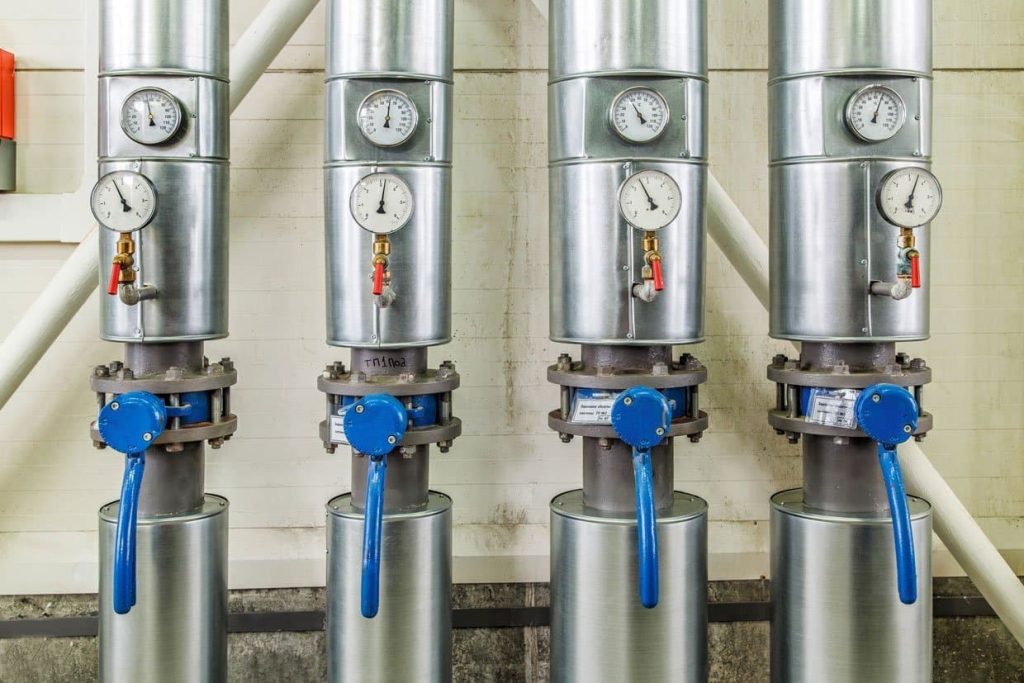
Guest blog from Better Buys Condition-based maintenance (CBM) is a CMMS software add-on that keeps tabs on the actual state of your critical assets by recording the output of any meters and gauges on that asset, making it easier to diagnose problems and prevent asset failure. Today’s maintenance teams are using CBM to improve their efficiency and their organization’s bottom line. The three most common applications of condition-based maintenance measure temperature, pressure, and oil viscosity. Common Applications for Condition-Based Maintenance 1. Temperature Readings Temperature readings help monitor and control an asset’s environment. Many assets can or do include sensors to gather temperature data, including infrared readings and thermal imaging. Also organizations are using “smart” technology to help facility managers measure and control building temperature. Who depends on temperature readings? Many universities, hotels, and hospitals are upgrading HVAC units to better monitor temperature. Windows and doors also can be outfitted with sensors. With these real-time readings, the HVAC can adjust for humidity and temperature, and alert staff to any issues. Machinery also can overheat, and computers must be continually cooled. Monitoring the temperature of these assets allows staff to prevent emergency shutdowns or even fire damage. 2. Pressure States Sensors can monitor pressure on equipment with piping or water systems. Monitoring pressure over time allows maintenance staff to predict when a pipe could fail and replace it beforehand. Instead of tracking down a leak after it happens, monitoring pressure indicates when and where a leak will likely happen before it does. Who depends on pressure states? Machinery in food and beverage production as well as product manufacturing rely on pipe or liquid systems. As competitive businesses are pushed to increase production while maintaining reliable operations, tracking pressure saves time on diagnosing problems. Maintenance staff also can keep parts at proper inventory levels for scheduled fixes. 3. Oil Viscosity A classic example of preventive maintenance (PM) is changing the oil in your car, either based on a calendar schedule (e.g., every three months) or based on mileage (e.g., every 5,000 miles). By adding condition-based maintenance to your preventive maintenance schedule, your maintenance team can monitor the oil particles to tell when to change the oil. Instead of 5,000 miles, the oil could last 8,000 miles. Who depends on oil viscosity? For construction or fleet vehicles, using CBM allows staff to schedule equipment maintenance and work more efficiently. In the long term, it also saves on oil and other parts. The Impact of Condition-Based Maintenance Condition-based maintenance offers organizations a competitive edge. Instead of performing failure-based maintenance, you can use CBM data to prevent problems before they happen and minimize overtime for technicians, cutting down on labor costs. Make your preventive strategies more accurate and reliable with CMMS and CBM. Contact MPulse with questions about how CBM can help your maintenance operations. Author Bio: Julia Scavicchio is a writer with Better Buys, a trusted source on enterprise software news and research.
Top Three Ways Property Management Companies Can Keep Costs Down

Property and facility managers know profit margins are tight. It’s important to keep your fees competitive, however, you also need to keep your business financially viable. Controlling your costs helps strengthen your budget. Consider how these three areas could help you streamline your operations to make them more profitable and productive. Invest in Energy Efficiency Energy efficiency can help your profitability, and it can also appeal to potential renters who appreciate your efforts to be “green.” The two main categories of energy efficiency are passive and active efficiency. You can improve passive efficiency by purchasing energy-efficient appliances and implementing low-flow toilets and showers. While these items may cost more upfront, the energy savings can be substantial over time. Active efficiency means using less water and power during maintenance procedures and choosing reusable products instead of disposable. These methods may include changing HVAC filters, cleaning the condenser more frequently, and landscaping with plants that do not require frequent watering. Implement CMMS Software Computerized maintenance management system (CMMS) software organizes all of your property or facility maintenance work orders and service requests. CMMS software provides scheduling, tracking, and reporting tools, so you can improve your organization’s efficiency and productivity. For property or facility managers, CMMS software also enables tenants to request maintenance service electronically, and the system will automate communication between your maintenance team and your service requestors. Implementing CMMS software helps you stay on top of scheduled tasks, plus tenants will feel more confident in your ability to address issues. Establish a Preventive Maintenance Program While implementing a CMMS is the best way to organize maintenance needs, an even better way to save money is to take care of maintenance tasks before they become a problem. CMMS software helps managers establish a preventive maintenance (PM) program, so you can schedule of maintenance tasks and prepare your managed properties for the months ahead. These tasks might include maintaining HVAC systems, scheduling vendor visits, cleaning the gutters in autumn, installing storm windows before the rainy season, and cleaning the roof. By controlling your costs, it’s easier to keep your fees competitive and provide the management services that your customers want and need. Take the time now to plan ahead. You can make your job easier—and more profitable. Steve Fountaine is the Owner of Premiere Works, general contractors providing commercial property management in Maryland, Northern Virginia, and Washington D.C. Premiere Works’ other services include commercial painting, construction, contracting, build outs, office renovations, and more.
How HVAC Maintenance Can Save Money and Energy
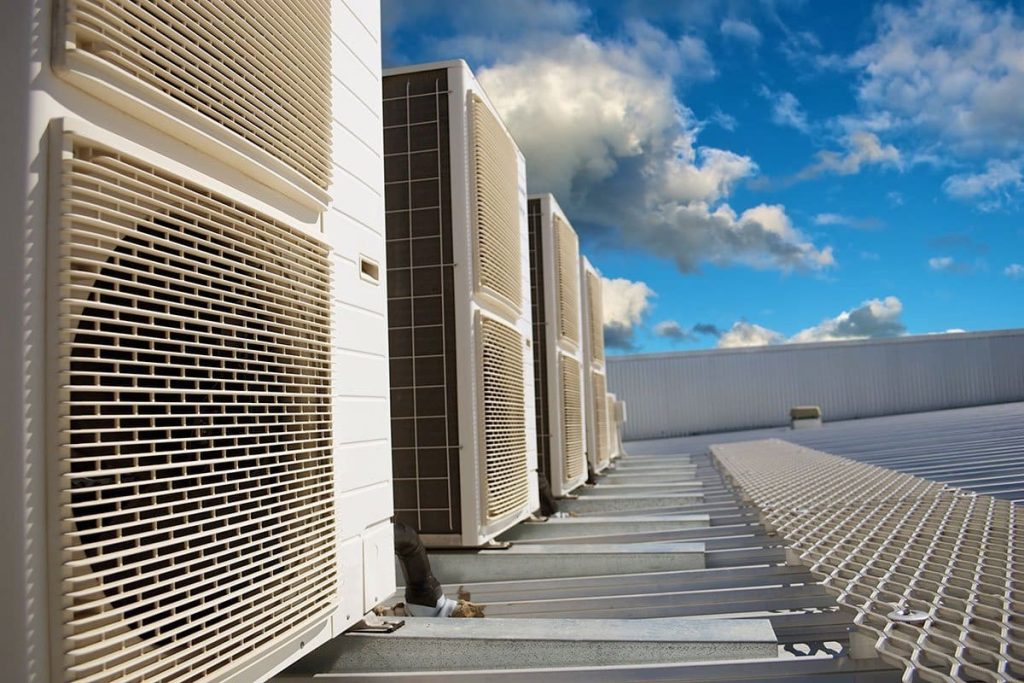
Guest blog from the BP Group One of a facility manager’s most important assets is the heating, ventilation, and air conditioning (HVAC) systems that regulate temperatures and maintain air quality for comfort, safety, and healthy working environments. If you aren’t proactively maintaining your HVAC system, you’re likely wasting both money and energy that can be put to better use. Regular maintenance ensures your HVAC system is running efficiently. Typically, the maintenance technician will… clean the filters clean the ducts clean the coils lubricate moving pieces calibrate thermostat settings inspect pipes and drains check electrical connections perform other tasks as outlined by the manufacturer. With CMMS software, facility managers can easily keep track of everything that needs to be done—scheduling maintenance jobs, recording maintenance history, prioritizing tasks, and more. What’s at Risk if You Don’t Schedule Regular Maintenance Checkups? If you choose to ignore HVAC system maintenance, you’ll end up purchasing a new one sooner rather than later. An HVAC system usually has a lifespan of 15‒20 years, but if it’s not cared for properly, it could fail sooner. Scheduling regular maintenance checkups will prolong the life of your HVAC system and save you money. If there is a business inside the building—such as a movie theatre or hotel—sales also are at risk. When an HVAC system starts to fail, the building’s temperature will likely be too cold or too hot. If customers aren’t comfortable inside the building, they may choose not to return. Depending on location, HVAC maintenance also should include winterizing. For example, failure to insulate HVAC pipes properly can result in frozen pipes and leaks, another costly repair. How Does HVAC Maintenance Save Energy? According to FacilitiesNet, HVAC maintenance results in 15‒20 percent savings in energy. Below are some ways regular maintenance helps save energy. Regular maintenance allows the HVAC system to run smoother, so the moving parts need less energy to keep it going. Maintenance for outside air dampers, which let in outside air for cooling, ensures the dampers are not allowing more air in than needed, thereby using more energy to condition that extra air. Replacing an old system with an energy-efficient system, such as one with an ENERGY STAR rating, will use less energy over time. Facility managers shouldn’t wait for HVACs to fail; they should be taking preventative measures to avoid problems. Guest-blogger Bio: The BP Group is a leader in the HVAC Maintenance, HVAC Mechanical, Service and Building Technology Industry located in Glendale, NY.
Downtime Calculator: How Much Does Equipment Downtime Really Cost You?

Yesterday was tough. My computer crashed, the copier broke, and our coffee machine went on strike while I was rushing to meet a deadline. I called our IT tech, the copier repairperson, and the local coffee shop to fix the problems (not necessarily in that order), and then my blood pressure spiked when I figured out how late I’d have to stay to get everything done. Maintenance managers know exactly what I’m talking about. The maintenance team is on the frontline when things aren’t working, and we spend lots of time talking to management about the cost of downtime in manufacturing. But do we spend the time to really understand what it is, or how it’s measured? According to Wikipedia, “The term downtime is used to refer to periods when a system is unavailable. Downtime or outage duration refers to a period of time that a system fails to provide or perform its primary function.” That definition covers the basics, but in the real world just about every organization defines and measures equipment downtime a little differently. Here at MPulse, we’ve learned to dig a little deeper when our customers start asking questions about metrics like mean time between failures (MTBF), mean time to repair (MTTR), or total downtime. We don’t just assume we know what they want—it’s our job to understand what they’re really looking for and show them how their MPulse Software, Inc can help them measure it on their own terms. Everyone needs a starting point to understanding downtime, and we thought this production downtime calculator recently published by Software Advice* was a pretty good one. (Click here for instructions.) Play around with it and ask yourself these questions: Does this production downtime calculator make sense for my operation? Is it missing anything? Do I know where to find the information it’s asking for? Do the results make sense? How could I improve upon the calculator to better understand the cost of downtime in manufacturing? Knowing how much equipment downtime costs your organization is just the beginning. Reducing equipment downtime—and the related loss of productivity—is one of the biggest benefits our CMMS users find with their MPulse Software, Inc. It all comes back to the basics: when your organization’s equipment hasn’t been maintained properly, you’re going to experience more downtime. That translates into lost dollars and intense pressure on the maintenance team to get production running again. The less downtime you experience in the first place, the better. The shorter duration of that downtime when it does happen, the better. I was lucky yesterday. I lost two hours of my time, plus $4.50 for an extra-large coffee. You can bet I’m gonna do a few things differently to prevent a day like that from coming around again soon. Proactive maintenance managers are doing the same thing. If you need help getting started, contact us to learn more about our equipment maintenance software. Calculator Instructions (courtesy of Software Advice): This simple tool allows maintenance managers to plug in estimates about their operations and generate an average cost of machine downtime per hour. Alternatively, manufacturing companies can enter information to find their estimated amount of revenue loss per hour of downtime. Simply click on the zeros on the right side of the tool to enter in your company’s information. (You can also download a version by clicking the download button on the black bar below the tool.) Employee costs per hour: The average employee salary divided by number of hours worked, multiplied by the number of employees. Average revenue per hour: An estimate of how much revenue your company generates in a given hour. Employees affected by downtime: An estimate of the percent of employees who would be unable to work due to shut down machinery. Revenue affected by downtime: An estimate of the percent of revenue lost due to machine downtime. Number of units produced per hour: An estimate of the number of units produced in one hour. Average profit per unit: The amount of profit earned for each unit produced. Number of hours of downtime: The number of hours of downtime expected. * Equipment Downtime Calculator provided by Software Advice. Visit MPulse’s company profile on Software Advice.
Are You Really Doing Predictive Maintenance?

Lately I’ve been thinking a lot about a recent phone call I had with an MPulse Software user, a customer and friend for many years. “Steve,” Jim said. “My new boss says our shop needs to start doing predictive maintenance. I’ve been working this gig for many years, and I think we’re not talking about the same thing when he says ‘predictive maintenance.’ What do you think?” I totally understand where Jim is coming from. As a maintenance veteran, I’ve noticed some confusion about the term “predictive maintenance.” It turns out “predictive” means different things to different people. I’ve heard a lot of customers say “predictive maintenance,” when they really mean preventive or condition-based maintenance. It’s my job to understand our customers’ real goals, and then help them understand how MPulse Software, Inc can help them get there. So, let’s review the types of predictive maintenance plans and what they mean. Run-to-Failure (RTF) Maintenance is running an asset to failure. A simple example would be replacing a burned-out light bulb. An important goal of CMMS usage is to reduce run-to-failure maintenance in favor of a more proactive maintenance plan. Even if your assets have been maintained based on failure in the past, you can easily begin to use CMMS to collect important data that will help you predict future failures. Preventive Maintenance (PM) is triggered by time, meter, or event. This type of maintenance is common in most maintenance departments. Everyone understands it in terms of auto maintenance: changing your oil every 3,000 miles or every 3 months. (Which is far too often in today’s cars, by the way.) CMMS excels at helping maintenance shops schedule preventive maintenance tasks, preventing failure and prolonging asset life cycles. Condition-Based Maintenance (CBM) allows you to track meters and gauges on assets, and to trigger work orders when certain numbers are hit. When an asset’s condition changes outside of a specified range, maintenance events are triggered in your CMMS. While the actual data can be gathered manually or automatically, you’ll need a CMMS to store the data and to alert maintenance staff when it’s time to take action. Because CBM monitors an asset’s real-time condition, there’s a predictive element to it. But true predictive maintenance is slightly different. Predictive Maintenance (PdM) is the scientific analysis of how long an asset will last using one or many types of measurement. A classic example of PdM maintenance is electrical transmission grids, where engineers are charged with analyzing detailed information about equipment failure rates, so they can program software to predict when similar assets will fail in the future. CMMS plays a role in PdM maintenance too. MPulse Software, Inc can capture, store, and organize data that can be produced into reports and fed into predictive analytical tools. It turned out that Jim’s boss really was talking about condition-based maintenance. He wanted to integrate sensors on key assets and use the power of the Internet of Things (IoT) to collect the data to feed into their MPulse CMMS software. I understand his confusion because CMMS combined with IoT is an excellent way to help maintenance teams to foresee asset failure and proactively perform maintenance. It’s not truly predictive maintenance, but it’s much more proactive that run-to-failure or preventive maintenance. Whether you’re really doing predictive maintenance or not, you’ve got have CMMS software to keep up with the large and growing number of data points in today’s industrial or facilities environment. If you need help getting started, contact us to learn more.
How Can I Promote the Maintenance Profession to Attract Talented Employees?

In my last post, I discussed ways to find good employees for your maintenance positions. In this post, I’ll identify some bigger issues that contribute to the current employment climate, and how maintenance managers can make a difference for everyone in the field. Manpower Group recently surveyed more than 1,000 U.S. employers, and found respondents had difficulty filling open positions for skilled trades positions because candidates lack technical competencies/hard skills (48 percent); candidates lack workplace competencies/soft skills (33 percent); and because of a lack of/no available candidates (32 percent). Those numbers aren’t likely to surprise any maintenance manager. But what can we do about it? I believe maintainers are often our own worst enemy because we do not promote our profession. In this blog I’ll identify some of the problems and offer some suggestions for change. Problem #1: Poor Public Image Let’s face it—the public perception of maintenance personnel is poor. Maintenance technicians are the guys with the dangling tool belt and pocket ruler. Becoming a maintenance technician is not a job classification a young person aspires to. If they did, they wouldn’t admit it. Most people are simply looking for a job when they enter the maintenance field. They stumble upon our profession accidentally. Solution #1: Promote Your Team Raise the level of awareness of your maintenance program. Look for opportunities to share your projects, goals, accomplishments, and results. Don’t be afraid to self-promote wherever you can, from the local media to national trade press. (Because— trust me—the marketing department doesn’t even know where your office is!) Problem #2: Unclear Career Path The maintenance career path typically goes from custodian to technician to engineer to lead to foreman to manager to director to VP. That’s eight steps. But there’s no industry recognition of these steps or consistent requirements for moving from one to the next. That makes maintenance work a tough sell for young people who are looking for profession with a well-defined career path. Solution #2: Invest in Professional Development It’s time to define the maintenance career path ourselves. Join or start a chapter of a professional association (like the Association for Maintenance Professionals or the International Facility Management Association) in your area. Find out what’s going on at other plants or facilities. Get your staff involved in service clubs and organizations. Encourage your team members to give back to their communities. These outreach activities are great ways to promote what maintenance technicians do and how much people rely on them. Problem #3: Lack of Educational Requirements I mentioned how low pay is problem for recruiting new employees in my last post. One cause of low pay is the lack of educational requirements for entry or promotion within the maintenance field. We may call ourselves maintenance engineers, but very few have the credentials to back it up. Most of us learned on the job. Solution #3: Get Involved Get involved with your local education institutions. Advocate for trades and industry education. Find out what is happening in both secondary and post-secondary education related to our profession. Participate in work study and intern programs. Remember the only thing harder to do than find a good employee is to replace a good employee. Invest in the maintenance community, and we’ll all benefit!
How Can I Find Good Employees for My Maintenance Team?

Last week I was talking with a long-time MPulse customer about his top priorities as a maintenance manager at a large production facility. “Brad,” I asked, “what’s your biggest challenge in the next 12 months?” Brad didn’t mention common problems like technology issues or budget constraints. Instead, he said, “Two of my most experienced team members are retiring, and I need to find someone who can fill their shoes.” Brad knows that finding good people for maintenance jobs isn’t easy. And he’s not alone. [related-content] In the past, maintenance technicians were promoted from custodial or laborer positions and given on-the-job training in specific tasks. Today, though, it’s tough to find the right people with skills we need in the maintenance department. According to the Manpower Group’s latest Talent Shortage Survey, skilled trades positions are the most difficult to fill, and have ranked #1 for the past four years. So how can a maintenance manager like Brad find good people for his maintenance team? In this blog, I’ll identify some of the problems and offer some suggestions for overcoming them. Problem #1: Aging Workforce The average age of a maintenance worker is 50 years. Our work processes, requirements, and perceived value are seriously out of date for the Instagram, Twitter, and Facebook age. And many “old school” industrial employers are wary of mobile technology. So if we’re lucky enough to hire young people, we ask them to leave their tablets in their lockers and we restrict their cell phone use. Solution #1: Make Maintenance Work Attractive to Younger People Maintenance managers need to go out of their way to hire younger employees. Start by embracing technology, especially mobile devices. Empower your younger staff members by asking for their suggestions on better ways to integrate technology in your maintenance workflows. Eliminate paper. Promote the technical side of maintenance work. These things are important to younger workers, and they’ll make your positions more appealing. Problem #2: Low Pay Often, maintenance work is undervalued. As a result, the pay scale for maintenance personnel is typically lower than similar positions in production. Do you want to understand the real value of your maintenance personnel? Just ask yourself what they’re worth when a breakdown has your production line at a stand still. Solution #2: Promote Your Department’s Value Make sure the people in positions of power understand what your maintenance program does and the value you bring to the organization. Share your projects, goals, accomplishments, and results for both the department and for your team members. If you show your maintenance team’s impact on the bottom line, it’s easier to get approval for pay increases. Problem #3: Lack of Training Though the options for maintenance training are growing, few traditional educational tracks exist to prepare people for the maintenance world. Most maintainers pick up isolated skills from community colleges, trade schools, and on-the-job training. These skills include welding, metal working, carpentry, machining, mechanics, hydraulics, and more. Solution #3: Develop an Internal Training Program Create a professional growth/training program for your maintenance staff. Professional growth programs are a great recruiting tool. Work with management to provide compensation for tuition, books, and fees. Reward strong work performance with additional opportunities for education. These ideas are a good start, but I’m the first to admit change needs to happen on a broader scale. In my next blog, I’ll discuss how maintenance managers like Brad can tackle the bigger issues in our field.