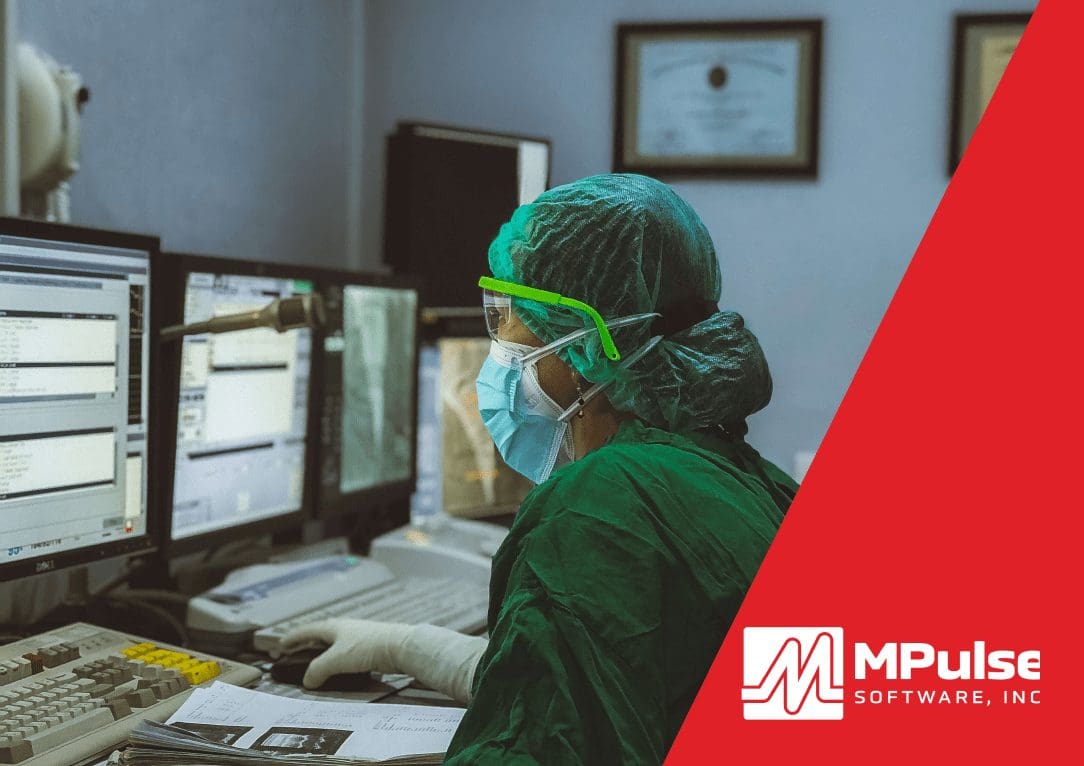
Diagnostic and therapeutic healthcare assets require documentation of all tests, repairs, and maintenance tasks. CMMS helps to automate this documentation, including preventive maintenance, repairs, inventory management, vendor information, life cycle costs, and manufacturer recalls.
Then, using data analytics, the maintenance team can use this CMMS data for technology management, quality assurance, work order control, and budgeting.
CMMS for Maintaining Medical Equipment
Healthcare organizations often rely on CMMS software for maintaining medical equipment and ensuring patient safety for one or more of these five reasons.
Reason #1: Regulatory Compliance
Medical equipment must comply with strict regulatory requirements to ensure patient safety. CMMS software can help healthcare organizations maintain detailed records of equipment maintenance and repair activities, making it easier to demonstrate compliance with regulatory requirements. Reporting features in CMMS also will help you gather complete and accurate data with every work order to support the documentation needed for inspections and audits.
Reason #2: Equipment Reliability
CMMS software can help healthcare organizations manage preventive maintenance activities and track equipment performance, reducing the risk of equipment failure and ensuring that equipment operates as intended. Maintenance teams also can use CMMS data to generate reports that can monitor asset health, improve productivity, and accurately assess how your department is functioning and where you might make changes to improve.
Reason #3: Reduced Downtime
Downtime can have a significant impact on patient care, leading to delays and disruptions in treatment. CMMS software can help healthcare organizations manage maintenance activities and reduce the risk of unexpected equipment failures, minimizing downtime and ensuring that equipment is available when needed. CMMS data also helps you make important decisions about the condition of your assets, like whether you should repair or replace it.
Reason #4: Enhanced Safety
Medical equipment must be safe for patients and healthcare workers to use. CMMS software can help healthcare organizations identify potential safety issues and take proactive steps to address them, reducing the risk of accidents and injuries. CMMS can also document safety information, including completed inspections, preventive maintenance, employee training, etc. Most importantly, when an emergency arises, you can use this critical data for making decisions.
Reason #5: Inventory Management
Medical equipment requires specialized parts and supplies that must be managed carefully. CMMS software can help healthcare organizations track inventory levels and automate the reordering process, ensuring that the right parts and supplies are available when needed. You also can identify where parts or materials are stored, making it quicker and easier to find them, as well as preventing duplicate orders because someone didn’t look in the right place.
Maintaining Medical Equipment and Ensuring Patient Safety
CMMS can help improve patient care by supporting the maintenance of medical equipment to ensure that it functions reliably.
Learn how MPulse can help your maintenance team promote and maintain compliance, while also reducing emergency maintenance issues and unexpected downtime. Contact us for more information. We’re here for you.