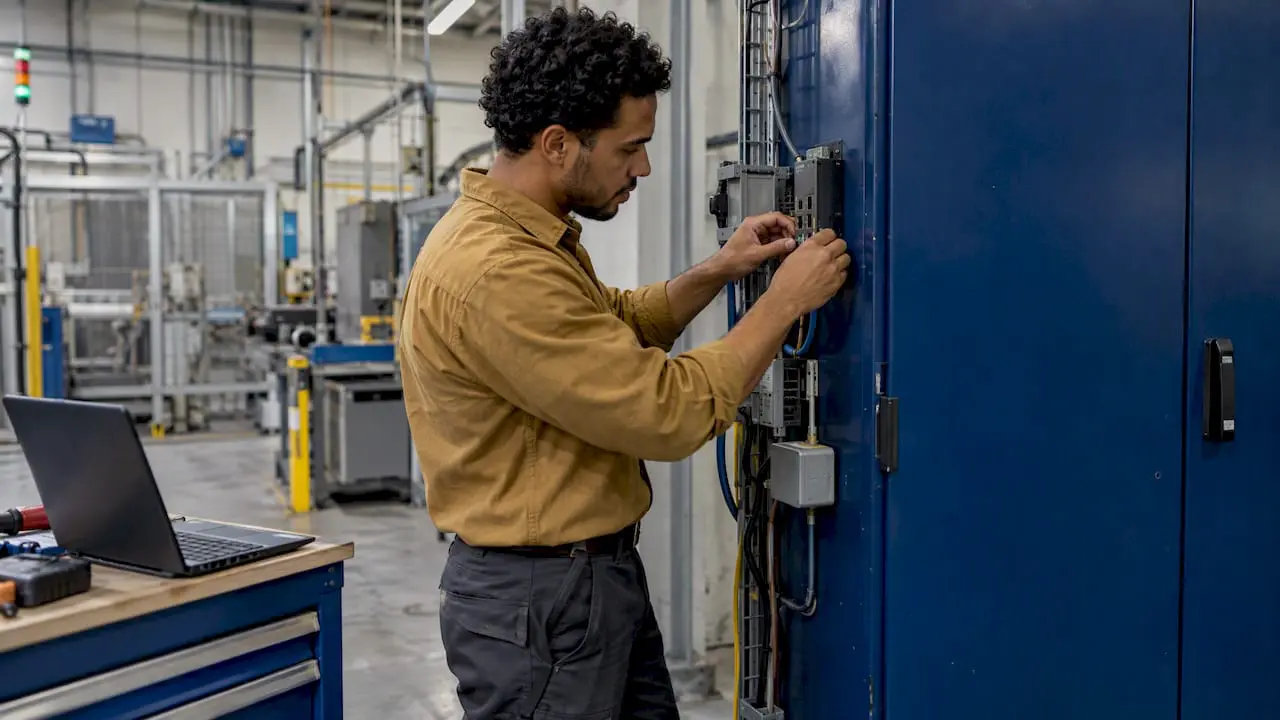

Maintenance teams often work the same way they always have—answer the phone, and then fix whatever broke. This reactive system serves a purpose, but has significant consequences.
When you establish and regularly perform preventive maintenance, your organization may be able to sidestep serious problems that arise as a result of neglect as well as delay more expensive maintenance.
But, it can feel challenging—almost impossible—to start a proactive maintenance program while you’re putting out fires all the time.
That’s where CMMS software can help. Moving from reactive to proactive maintenance can keep those phone calls at bay while making better use of the maintenance team’s time and resources.
Six Steps Involved in Preventive Maintenance
Take the time to set up a preventive maintenance program by following these six steps.
- Document Maintenance Tasks: Recording maintenance tasks, activities, repairs, and information in CMMS software is the first step when you are just starting out. You can’t measure anything until you have something to measure.
- Create Schedules: CMMS software will generate a schedule of PM tasks, making it simpler to follow the manufacturer’s guidelines. Maintenance intervals can be scheduled based on asset or part condition, which triggers a work order just before the point when system inefficiencies or failures begin to occur.
- Automate: Put your available tools to work for you. Use your CMMS software to automate the tedious stuff (data entry, email, request approval), so you can focus on more important things.
- Link Parts: Inventory is hard, but the first step is simple. Use CMMS to link parts with your work orders (and your assets), and you are on your way to big goals like controlling the cost of maintenance.
- Make Resources Easily Accessible: Don’t waste time looking for stuff. Keep the things your team needs (historical records, part information, vendor contact details, manuals, etc.) in easy-to-find places, like your CMMS database.
- Train. Training is the fastest way to improve your maintenance team’s efficiency and get the best return on investment (ROI). And don’t forget about training yourself as well. The payoff is far greater than the cost.
Properly maintained assets perform more efficiently, use less energy, and fail less often—extending their usable life.
When you use CMMS software for preventive maintenance, you’ll reduce emergency maintenance issues and unexpected production stoppages. This, in turn, cuts overtime costs for emergency repairs and reduces production losses.
Preventive maintenance is cost effective and beneficial for organizations of all sizes—lowering costs, improving reliability, and helping with compliance reporting.
Find out how MPulse CMMS software can help you create a preventive maintenance program. Leave a comment or contact us.