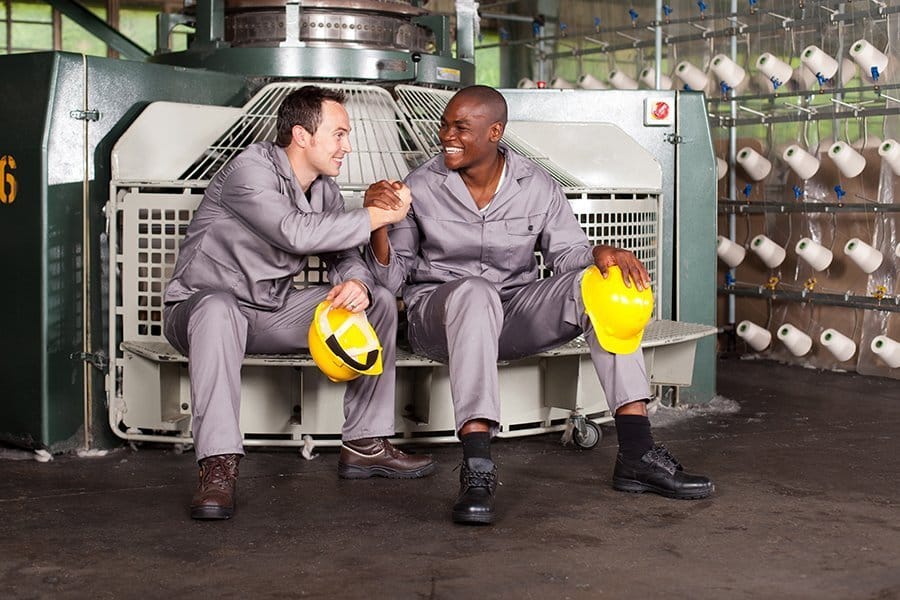
The relationship between your maintenance team and the people who operate the equipment they maintain does not necessarily fall into standard professional definitions. It’s crucial to improve relationships between operators and the maintenance team.
While it holds some elements of a customer service relationship (the operator needs the maintenance team’s services), it’s also a partnership as one position directly affects the other, and vice versa.
The operator-maintenance relationship doesn’t get a lot of attention in many organizations—and that’s to the detriment of both parties. A good working relationship between maintenance and operations personnel benefits everyone, including the organization as a whole.
Who’s at Fault?
The operator-maintenance relationship heavily influences key areas of any business, including…
- Prevention of breakdowns
- PM scheduling to minimize interruptions
- Prioritizing work based on value to the organization
[related-content]
Because these responsibilities directly affect productivity, there’s a tendency to want to assign blame when things go wrong. Is the breakdown due to misuse or abuse? Missed PMs? Carelessness? Neglect?
Assigning the blame for downtime will cause pointless disagreements and arguments. It’s important to break away from this pattern and refocus on the best ways to prevent failure in the future.
How Can We Prevent Failure?
The employees who are mostly likely to trigger downtime events are often in the best position to prevent it in the future—no matter why the failure occurred.
As the main users, operators have firsthand knowledge about how an asset is functioning. They also can be the source of asset breakdowns or provide insight as to why it happened. Operators often can diagnose their own machine, and they likely can prevent future downtime events.
The maintenance team also holds valuable knowledge that can prevent breakdowns—like technical skills, part availability, PM schedules, and historic documentation.
Working together to prevent future failures is essential. MPulse customers have found success by promoting…
- Training between maintenance and operators on the best ways to perform basic functions like start-up or shutdown
- Providing tools that promote communication—such as service requesting, PM scheduling, and automatic notification features found in CMMS software
- Building stronger relationships by promoting interaction outside of stressful situations, like participating in joint meetings or even sharing a lunchroom
Improving the relationship between operators and maintenance starts with mutual respect and communication. You can help by ensuring all parties understand each person’s role and appreciate the benefits they bring to the organization.
How have you improved the relationship between your operators and maintenance techs? Leave a comment or contact us.