
Patient safety depends on a well-maintained facility. When equipment breaks or systems fail, people can get hurt. Healthcare facility maintenance serves as a core part of keeping patients, staff, and visitors safe every single day.
The Joint Commission (formerly known as JCAHO) is the main organization that checks whether hospitals and healthcare facilities meet quality and safety standards. Their accreditation is a seal of approval. It tells patients, insurers, and government agencies that a facility is safe and well run. The Joint Commission has accredited over 4,000 hospitals, and roughly 70% of U.S. healthcare facilities go through their survey process every three years.
Losing that accreditation can be devastating. Many insurance companies and government programs (like Medicare) require Joint Commission compliance before they will pay for patient care. Without accreditation, a hospital can lose funding and patients.
43% of Joint Commission citations involve maintenance documentation failures. The average cost of accreditation loss and remediation for a mid-size hospital is approximately $1.8 million. These numbers show how important it is to keep your maintenance records accurate and up to date.
Healthcare accreditation requires ongoing attention to facility maintenance and documentation.
What Is CMMS and How Does It Work?
CMMS software helps teams track, schedule, and document all maintenance work in one place. Think of it as a digital command center for everything related to keeping your facility running smoothly.
CMMS for hospitals typically includes these core features:
- Work order management: Create, assign, and track repair and maintenance tasks from start to finish.
- Preventive maintenance scheduling: Set up automatic reminders so inspections and service tasks happen on time, every time.
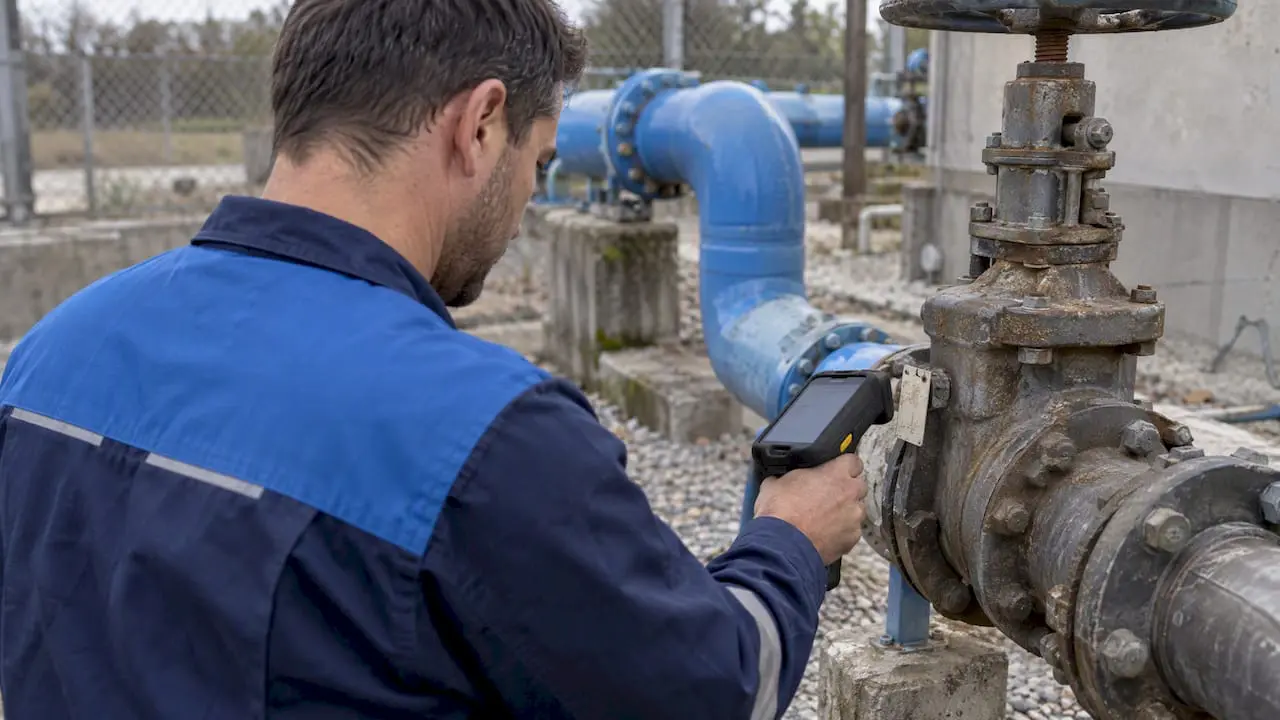
- Asset and equipment tracking: Keep a complete inventory of every piece of equipment, including its location, service history, and warranty details.
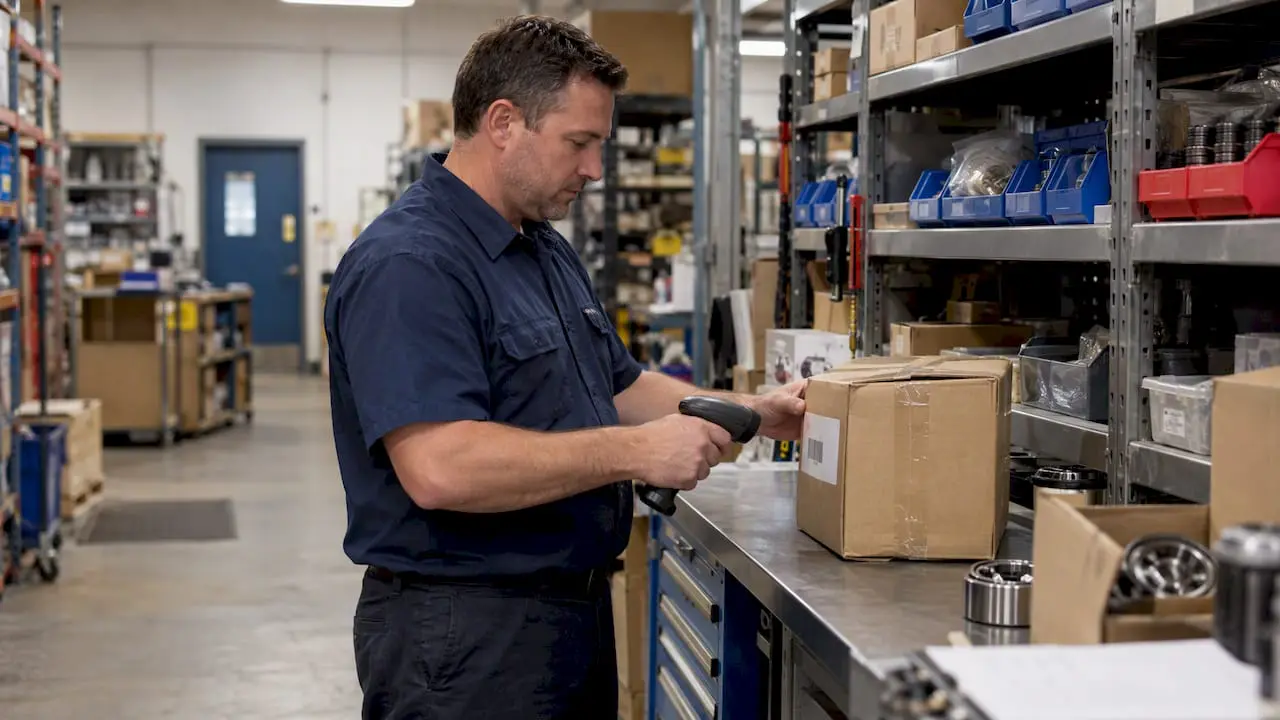
- Parts inventory: Track spare parts so your team always has what they need for repairs.
- Reporting and analytics: Generate reports that show maintenance trends, costs, and compliance status.
Everything in a CMMS is digital, searchable, and stored safely. There are no lost binders, no missing forms, and no guessing about what happened last month. As a result, CMMS healthcare compliance much easier to achieve and maintain over time.
Key Joint Commission Standards a CMMS Supports
The Joint Commission organizes its facility requirements under what are called Environment of Care (EC) standards. These standards spell out exactly what a hospital must do to keep its physical space safe. In 2026, the Joint Commission consolidated the EC and Life Safety (LS) chapters into a unified Physical Environment (PE) framework. The total number of standards was reduced, but the actual work required remains largely the same.
One important change: the Maintenance Management Program (MMP) is now a mandatory, documented framework. Now every hospital must have a formal, written plan for how it manages maintenance, not just a set of informal habits.
Here are the key standards that relate directly to Environment of Care compliance and healthcare facility maintenance:
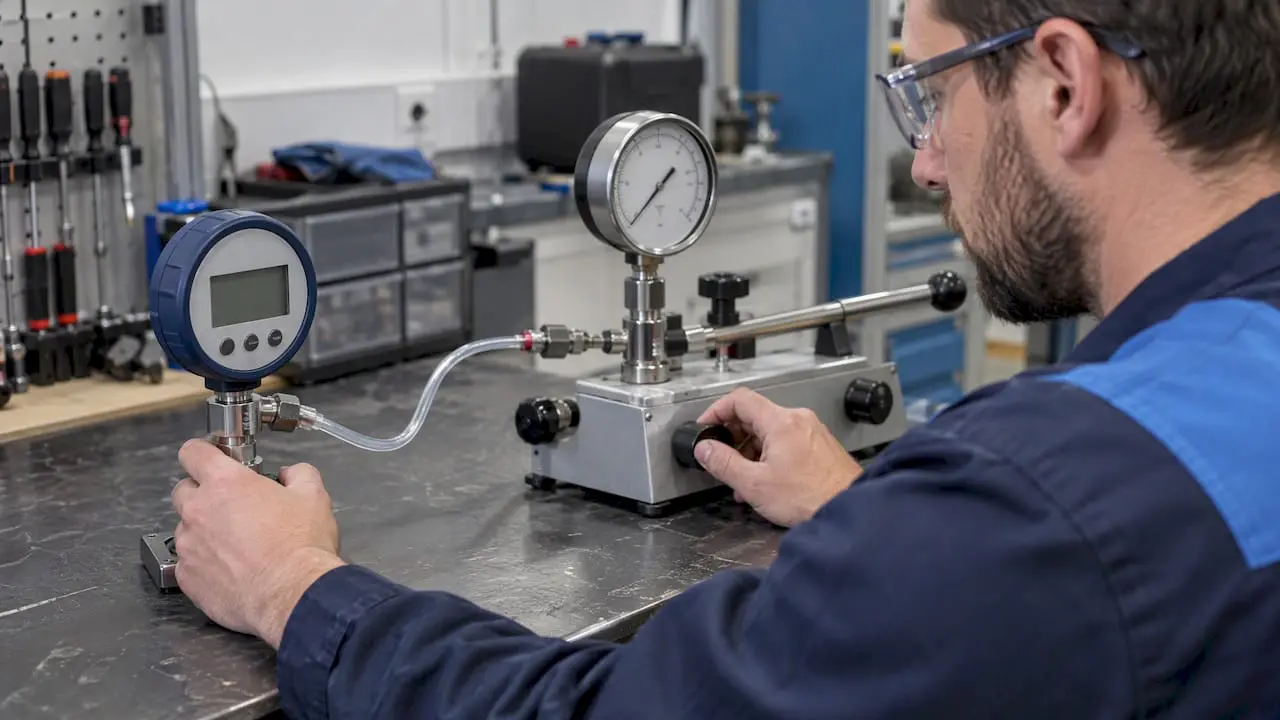
- EC.02.04.01 Medical Equipment Management: Maintain a full inventory of all medical equipment. Schedule inspections based on risk level. Document every maintenance activity performed on each device.
- EC.02.05.01 Utility Systems Management: Cover HVAC, electrical, medical gas, and other critical utility systems. Inspect, test, and document maintenance for each system on a regular schedule.
- EC.02.05.05 Fire Protection Systems: Fire alarms, sprinklers, and suppression systems must be inspected and tested on schedule. All results must be documented.
- EC.02.06.01 Physical Environment Management: The building itself must be safe, clean, and functional. This includes everything from flooring and lighting to infection control measures.
These standards all share one thing in common: they require thorough, organized documentation. CMMS is purpose-built to provide exactly that.
How CMMS Helps You Pass Your Next Survey
When Joint Commission surveyors visit your facility, they want to see proof that your maintenance program is working. They will ask for records, check equipment logs, and review your processes. Here is how a CMMS directly supports Joint Commission compliance and survey readiness:
- Automated preventive maintenance scheduling: The system creates and assigns tasks on a set schedule so nothing gets missed. Preventive maintenance healthcare programs run on autopilot, reducing human error.
- Digital work orders with sign-offs: Every work order includes technician names, timestamps, and completion notes. As a result, you create a clear trail of who did what and when.
- Instant record retrieval: Surveyors expect any work order to be produced within 60 seconds. A CMMS lets you search and pull up any record in moments, not hours.
- Centralized equipment inventory: All medical equipment management data lives in one place, complete with service histories, risk assessments, and inspection schedules.
- Audit-ready reports on demand: Generate compliance reports with a few clicks. No more scrambling to compile data from spreadsheets and paper files before a survey.
- Real-time compliance dashboards: See at a glance which tasks are on track, which are overdue, and where your biggest risks are.
Facilities using digital maintenance tracking achieve survey readiness up to 3x faster than those relying on paper-based systems. CMMS replaces the last-minute scramble with steady, year-round preparation. For how a CMMS keeps records audit-ready across regulations, see the CMMS as the system of record for audits.
Beyond Compliance: Other Benefits of a Healthcare CMMS
Meeting healthcare accreditation standards is a major reason to use a CMMS, but it is far from the only benefit. A well-implemented CMMS improves nearly every aspect of facility operations.
- Reduced equipment downtime: Scheduled preventive maintenance catches problems before they cause breakdowns. As a result, your organization experiences fewer emergency repairs and less disruption to patient care.
- Longer equipment life: Consistent, well-documented maintenance extends the useful life of expensive medical devices and building systems. This saves money on replacements.
- Better budget planning: With detailed maintenance cost tracking, facility managers can forecast expenses more accurately and avoid budget surprises.
- Improved staff productivity: Technicians spend less time on paperwork and searching for information. They spend more time actually fixing things and completing inspections.
- A safer environment: When equipment works properly and buildings are well maintained, patients, visitors, and staff are all safer. This is the most important benefit of all.
These advantages add up quickly. Over time, CMMS software pays for itself through lower repair costs, fewer compliance penalties, and more efficient use of staff time.
Getting Started with CMMS for Your Facility
Adopting CMMS software does not have to be overwhelming. Many facilities start small and scale up over time. Here are the practical steps to get started:
- Audit your current processes. Look at how your team currently tracks work orders, schedules maintenance, and stores records. Identify the biggest gaps and pain points.
- Choose a healthcare-focused CMMS. Not all CMMS platforms are the same. Pick one designed for healthcare that understands Joint Commission standards and healthcare accreditation requirements.
- Migrate existing records. Move your current equipment inventories, maintenance logs, and inspection records into the new system. This gives you a baseline to work from.
- Train your team. Make sure every technician, manager, and administrator knows how to use the system. Good training leads to consistent data entry and reliable records.
- Build a preventive maintenance schedule. Align your PM schedule with Joint Commission standards. Set up recurring tasks for every piece of equipment and every building system that requires regular inspection.
Start small, then expand. Begin with your highest-priority assets and compliance requirements. Once your team is comfortable, add more equipment and processes to the system.
Healthcare Compliance Made Simpler
Healthcare compliance does not have to be a stressful, last-minute scramble. CMMS turns Joint Commission compliance into a steady, manageable routine. By automating schedules, centralizing records, and generating audit-ready reports, CMMS gives your team the tools to stay prepared every day of the year.
Patient safety and healthcare accreditation go hand in hand. When your facility is well maintained, patients receive better care, staff work in a safer environment, and surveyors find the documentation they need. The right maintenance management software makes all of this easier.
Whether you are preparing for your next triennial survey or simply want a better way to manage healthcare facility maintenance, CMMS is a smart investment. Start with one department, prove the value, and grow from the.re. Your patients, your staff, and your accreditation will all benefit.
Get started today. Contact us.