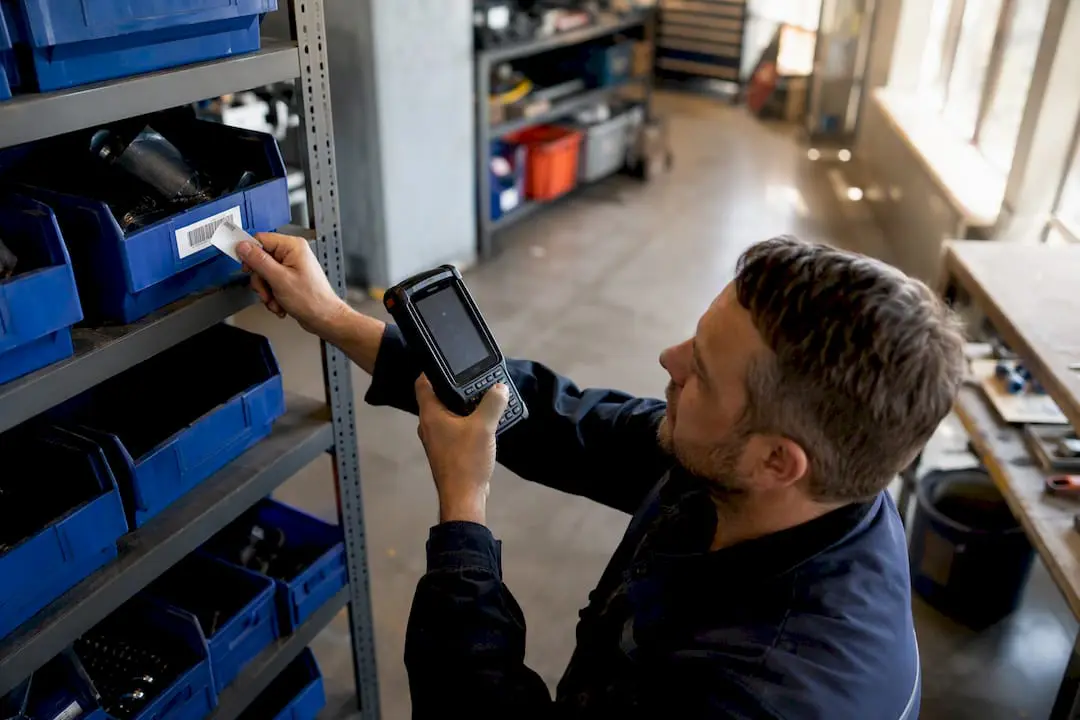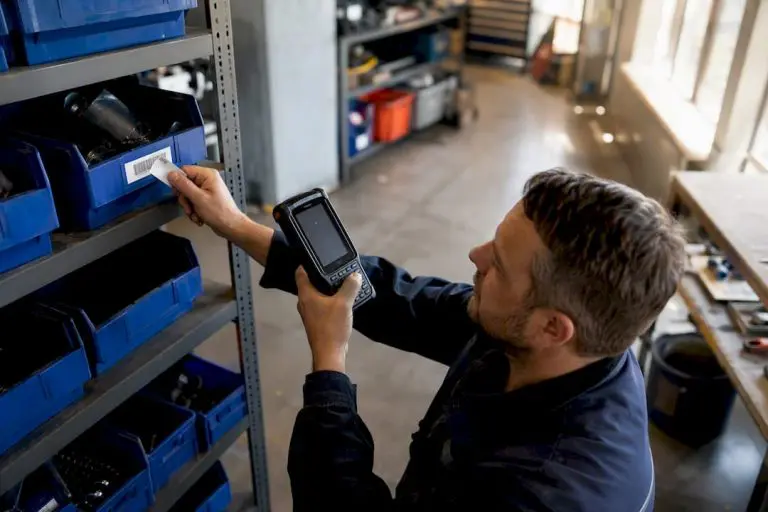
Audit-ready GMP maintenance documentation means contemporaneous, ALCOA±compliant maintenance, calibration, and cleaning records that link every action to a specific asset, technician, and, where relevant, a product batch. Success looks like a work order pulled at random that shows who did what, when, with which parts, and how the result was verified. MPulse Software and similar computerized maintenance management systems help enforce that structure automatically. Start by pulling your critical-asset list and checking it against any overdue calibrations today.
TL;DR:
- Critical assets require comprehensive documentation, including condition-monitoring data and QA sign-off, especially when switching to condition-based maintenance.
- Calibration and maintenance records must include traceability statements, verification results, parts lot numbers, and a direct link to product batches to meet GMP standards.
- Digital maintenance management systems should enforce ALCOA+ principles, with audit trails, role-based sign-offs, and version-controlled SOPs for a fully compliant record.
- Inspectors prefer electronic, well-indexed records with unbroken audit trails, making CMMS platforms essential for managing large volumes of assets reliably.
- Prioritizing criticality assessment and closing gaps in calibration and cleaning verification processes minimizes inspection risks significantly.
Table of Contents
- What Counts as GMP Maintenance Documentation?
- What Regulations Actually Require
- How Equipment Criticality Changes What You Document
- What to Record During Maintenance, Calibration, or Repairs
- Document Control, Data Integrity, and ALCOA+
- Digital Recordkeeping and CMMS in a GMP Environment
- Getting Your Records Ready for an Inspection
- How Maintenance Teams Should Prioritize This Work
- Where MPulse Software Fits Into Your Documentation Program
- Sources
- FAQ
What Counts as GMP Maintenance Documentation?
GMP maintenance documentation splits into two families: master documents and operational records. Master documents include your SOPs, master production and control records, and the calibration or preventive maintenance schedules that define how work should happen. Operational records prove the work actually happened as specified.
Every operational record, whether a work order, maintenance log, calibration certificate, or cleaning record, needs a consistent set of fields to hold up under review, as harmonized GMP documentation guidance makes clear:
- Date and time the work started and finished
- Name and signature of the person performing and the person verifying the work
- A specific description of the task, not a generic label like “PM completed”
- Parts, lubricants, or replacement components used, including lot numbers
- Verification or test results confirming the equipment works as intended
- Batch or product linkage, when the equipment touched product during or near the maintenance window
Skip any one of these fields and you create a gap an inspector will find before your quality team does. Batch linkage matters most: it is the thread that connects a repair to a release decision.
What Regulations Actually Require
Four sources form the backbone of any documentation policy, and QA teams should map internal SOPs against each one rather than relying on secondhand summaries. FDA’s Q7 guidance sets the baseline U.S. expectation for equipment maintenance, cleaning, and calibration records in API and drug manufacturing. 21 CFR Part 211, particularly sections covering equipment cleaning and maintenance, defines what inspectors cite most often during finished-drug inspections.
Beyond U.S. rules, several international texts shape best practice:
- ICH Q9: establishes the risk-based framework that determines how much documentation depth a given asset warrants.
- WHO GMP guidance: reinforces that records must be contemporaneous and traceable, with clear document control policies.
- EU GMP Chapter 4 / Annex 11: adds specific expectations for electronic records and data governance that map closely to U.S. Part 11 concerns.
Inspectors checking these references look for retention periods that match batch shelf life, calibration traceability back to a recognized standard, and unbroken data integrity from entry to archive. Map each internal SOP to the specific clause it satisfies. That cross-reference is what turns a policy binder into an inspection asset.
How Equipment Criticality Changes What You Document
Not every asset deserves the same documentation depth. ISPE’s Good Practice Guide: Maintenance recommends a risk-based approach, tied to ICH Q9, that scales record detail to the equipment’s potential impact on product quality.
- Critical assets (product-contact equipment, sterilization systems, HVAC serving classified spaces): full documentation, including condition-monitoring trend data, CAPA linkage, and QA sign-off before returning to service.
- Major assets (utilities supporting production without direct contact): standard work orders with calibration traceability, reviewed periodically for drift.
- Minor assets (non-product-contact equipment): basic maintenance logs sufficient for uptime tracking, with lighter review cycles.
When you shift a critical asset from time-based to condition-based maintenance, document the rationale for the new interval and the monitoring data that justified it. That record is what protects you when an auditor asks why a calibration frequency changed.
Pro Tip: Keep a running justification log for every interval change on critical assets. A single paragraph explaining the data behind the decision saves hours during an inspection and proves your program is risk-based rather than arbitrary.
What to Record During Maintenance, Calibration, or Repairs
Contemporaneous recording is not a suggestion, it is the rule that separates a defensible record from a reconstructed one. Every entry should be written as the work happens, not from memory at the end of a shift. At minimum, capture who performed the task, when, why (scheduled PM, breakdown, or CAPA follow-up), what was done, the verification result, and any follow-up action required.
Cleanroom and classified-space repairs carry an extra burden. Practitioners consistently flag missing cleaning verification as one of the most common causes of inspection findings tied to maintenance work. A repair note without a corresponding cleaning or sterilization verification is an incomplete record, even if the mechanical work was flawless.
For calibration entries specifically, capture:
- The traceability statement linking the instrument back to a recognized standard
- Measurement uncertainty and the method used
- Acceptance thresholds and the actual reading against them
- Certificate metadata, including the calibration provider’s name and certificate number
When a contractor performs the calibration, retain the original certificate and cross-reference it in your CMMS rather than summarizing it in your own words. For cleanroom repairs, include the validated cleaning procedure reference, post-repair environmental monitoring results where applicable, and a QA sign-off before the asset returns to production. Every parts swap needs a lot number recorded at the time of use, not reconstructed afterward from a purchase order.
Document Control, Data Integrity, and ALCOA+
Every maintenance record, paper or electronic, has to satisfy ALCOA+ principles: attributable, legible, contemporaneous, original, and accurate, plus complete, consistent, enduring, and available. In practice, that means specific habits, not abstractions.
- Attributable: a named individual, not a shared login or a checkmark with no signature.
- Contemporaneous: logged during or immediately after the task, never batched at week’s end.
- Original: the first recorded entry, not a transcription onto a “clean” copy.
- Enduring: stored where it survives the retention period, including format migrations.
Master documents need version control with a visible revision history, documented approvals, and controlled distribution so only the current SOP revision circulates on the floor. For computerized systems, validate the system before go-live and confirm it meets Part 11 and Annex 11 expectations for electronic signatures and audit trails.
Pro Tip: Run a quarterly spot-check comparing five random electronic entries against their audit trail. If the timestamps, user IDs, and edit history don’t tell a clean story, your system needs attention before an inspector finds it first.
Digital Recordkeeping and CMMS in a GMP Environment
Paper logs still work, but they scale poorly once you’re managing hundreds of assets across multiple criticality tiers. A computerized maintenance management system built for regulated environments centralizes the record types this article covers and enforces the fields inspectors expect.
Look for a platform that provides:
- Time-stamped audit trails on every work order, with no ability to silently edit history
- Attachment support for calibration certificates and vendor documentation
- Role-based sign-off so verification steps require a distinct approver
- Preventive maintenance automation tied to criticality tiers
Before switching systems or going live with a new one, validate the platform, migrate historical data with integrity checks, and confirm your preventive maintenance schedules carried over correctly. MPulse Software’s component-level structure supports exactly this kind of calibration attachment and role-based approval workflow, which is what turns a maintenance database into audit-ready evidence.
Digital, well-indexed records with an unbroken audit trail are increasingly what inspectors prefer over paper binders they have to flip through manually.
Getting Your Records Ready for an Inspection
An inspector rarely asks for everything at once. They typically request a specific asset’s history, a sample of recent calibrations, or evidence tied to a particular batch, and they expect you to produce it within minutes, not days.
- Build an asset-level file that pulls work orders, calibration certificates, and cleaning verifications into one navigable pack.
- Cross-check that every critical-asset record includes QA sign-off before return to service.
- Review a recent period for gaps such as missing signatures, undocumented parts, or verification steps skipped.
- Confirm retention periods align with the batch shelf life the equipment supports.
| Common finding | Immediate fix |
|---|---|
| Missing cleaning verification after repair | Add a mandatory verification field to the work order template |
| Calibration certificate lacks traceability statement | Require the full certificate, not a summary, on file |
| Work order missing operator signature | Enforce sign-off before work order closure in your CMMS |
| No documented rationale for interval change | Log a short justification note tied to the criticality tier |
How Maintenance Teams Should Prioritize This Work
Start with a criticality review. If you don’t already know which assets carry the most product-quality risk, nothing else in this article matters yet. Next, run a gap list against whatever system holds your records now, paper or CMMS, and flag missing calibration or cleaning verification. Finally, tighten your cleaning verification SOPs specifically, since that’s the single most common inspection weakness practitioners report. These three moves reduce inspection risk faster than any policy rewrite.
— Mark
Where MPulse Software Fits Into Your Documentation Program
MPulse Software gives maintenance and QA teams a single system that turns scattered paper logs into audit-ready, timestamped records without requiring a separate compliance module bolted on afterward.
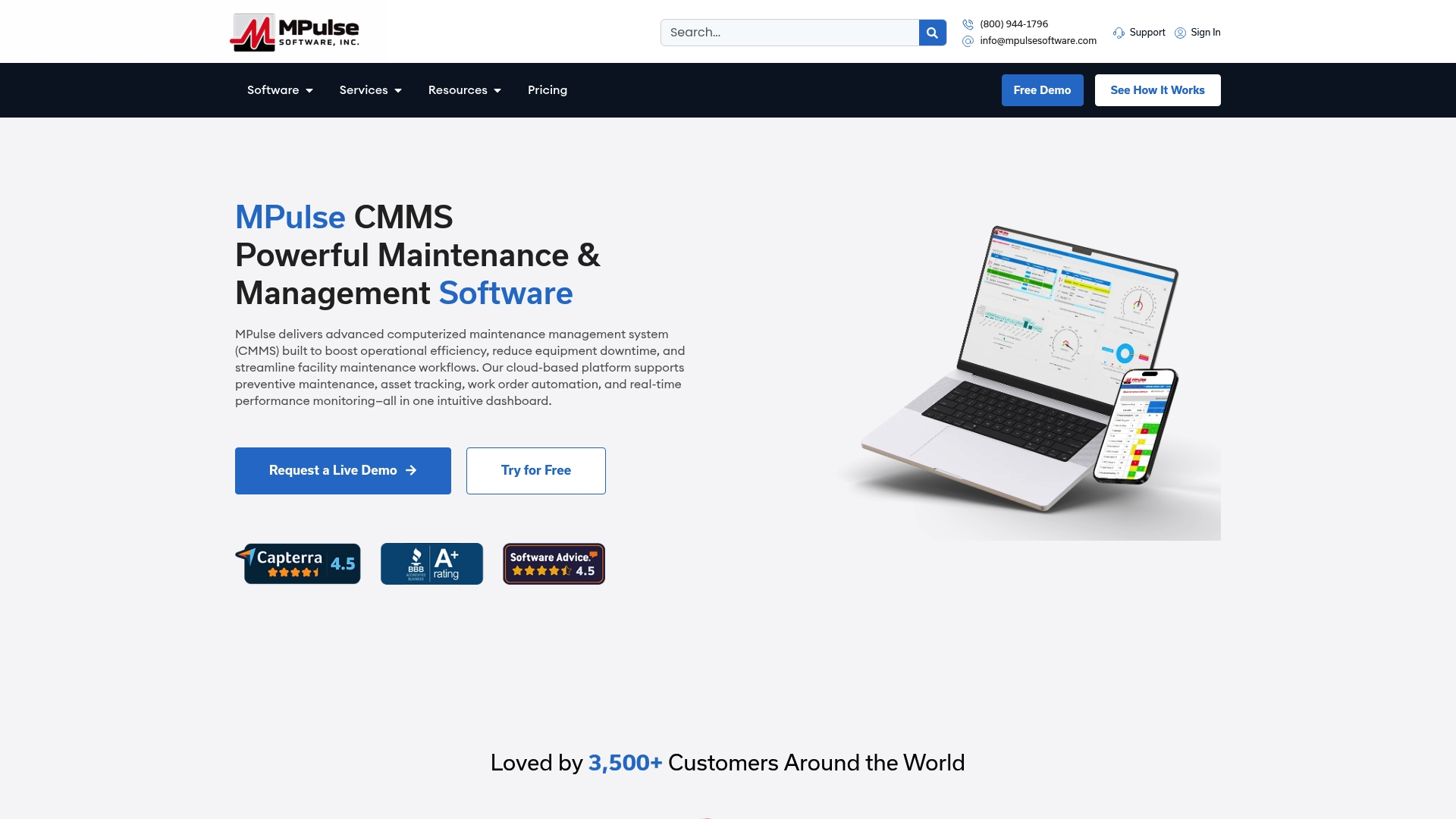
Every requirement covered above, contemporaneous entries, calibration traceability, role-based sign-off, batch linkage, maps directly to features already built into the platform: automated preventive maintenance scheduling by criticality tier, calibration certificate attachments tied to each asset, and audit trails that record who touched a work order and when. Teams managing condition-based monitoring data get that information logged alongside the maintenance history it justifies, rather than in a separate spreadsheet nobody cross-references during an audit. For spare parts and lot tracking on critical assets, pairing your CMMS with a criticality-based inventory approach, like the one outlined in this guide to spare parts criticality, tightens the traceability chain further. If your current documentation setup would survive a surprise records request, that’s rare. See how MPulse Software’s maintenance management platform handles it by requesting a compliance-focused product tour.
This article is general information, not a substitute for advice from a qualified lawyer. Consult a qualified legal professional about your own circumstances before acting on anything here.
Sources
- Good Practice Guide: Maintenance 2nd Edition | ISPE
- Documentation and Records: Harmonized GMP Requirements (PMC)
- Q7 Good Manufacturing Practice Guidance for Active Pharmaceutical Ingredients | FDA
- 21 CFR Part 211 — Current Good Manufacturing Practice for Finished Pharmaceuticals | ECFR
FAQ
What Are Some Examples of GMP Maintenance Documents?
Common examples include maintenance work orders, calibration certificates, cleaning and sterilization verification records, equipment use logs, and batch-linked repair records tied to a specific product run.
What Does Documentation Mean in a GMP Context?
Documentation in GMP refers to the written or electronic evidence proving that a required activity, including maintenance, calibration, and cleaning, happened as specified and was verified by a responsible person.
What Are the Recommended GMP Documentation Practices?
Records should be contemporaneous, attributable to a named individual, legible, original, and accurate, following ALCOA+ principles, with clear revision histories for any master document changes.
What Are the Five Rules of GMP?
Definitions vary across guidance documents, but most versions emphasize written procedures, trained personnel, controlled and documented processes, validated equipment, and accurate recordkeeping as the core pillars.
Can a CMMS Like MPulse Software Support GMP Compliance?
Yes. A validated CMMS with audit trails, calibration attachments, and role-based sign-off, like MPulse Software, centralizes the record types inspectors request and reduces the chance of missing fields during an audit.