
Six Ways to Level Up Your CMMS Implementation
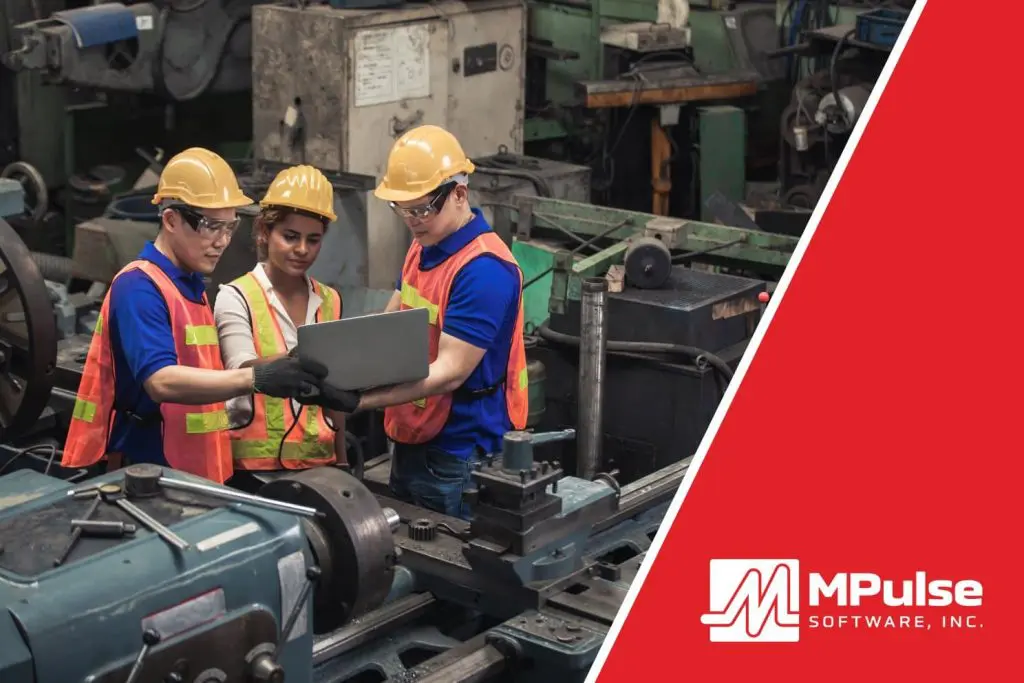
Once you’re up and running with MPulse’s basic features, it’s important to keep going to make the most of your CMMS investment. Take these six CMMS implementation steps to level up and streamline your company’s maintenance operations with MPulse. CMMS Implementation Guide 1. Automate Schedules Work order management features in CMMS software can automate schedules for both employees and contract workers. This information also eliminates lost information between shifts, reducing confusion and errors. 2. Employee Records MPulse Labor Resource Management can track all facets of your employee records: status, skill level, billing rate, contact information, and more. You can easily match employees or vendors to the assets they maintain and assign tasks accordingly. 3. Employee Performance Employee performance tracking helps you determine which employees are most efficient at which tasks. As a result, managers can balance the workload. By tracking repair times, you also can create benchmarks for your organization. 4. Labor Costs MPulse can help you accurately estimate labor hours for preventive maintenance (PM) tasks, making sure your staffing levels match the workload, and decreasing overtime costs. This type of labor cost analysis can determine when it’s more efficient to add more staff members, instead of paying more overtime. 5. Purchase Orders CMMS software can determine your current inventory levels and automatically generate purchase orders based on need, reducing purchasing overhead. You also can track parts to stock based on availability. For example, if a part has a three-week lead time, you can adjust stocking levels to make sure it is available when your staff needs it. 6. Equipment Life Cycle and Replacement Forecasting CMMS data helps organizations make effective replace-or-repair decisions. Maintenance software can track not only the age of the equipment, but the miles, hours, life-to-date repair dollars, and many other metrics—helping you decide when it becomes cheaper to replace an asset instead of repairing it. Like most successful investments, CMMS software benefits compound over time. As your data becomes more comprehensive, your organization becomes more efficient and the return on investment climbs. Following our CMMS implementation process helps you to capture key data and turn it into reliable information to help make cost-effective choices about asset management. With our easy-to-use CMMS software, MPulse customers reduce maintenance expenses, minimize downtime, extend equipment life and boost productivity throughout their organizations. Want more information? Contact us and put our experience to work for you.
Who Should Manage Your CMMS System?

Managing A CMMS System I’m often asked who in an organization should have primary responsibility for managing its Computerized Maintenance Management System (CMMS). There’s not one answer that fits every organization, but there are several things every organization should consider before making the decision. Any CMMS worth its salt performs four basic functions: Preventive Maintenance (PM) Scheduling: Reminds maintenance engineers when to perform preventive checks and services on assets. Service Request Management: A way for your customers to submit repair requests, and for you to track them and provide updates. Work Logging: A way to document what planned (PMs) or unplanned (repairs) maintenance has occurred. Inventory Tracking: A means for tracking the use of repair parts or consumables, like lubricants or filters. What ties all these functions together? In virtually every CMMS, the “document of record” is the Work Order. PMs generate planned work orders. Service requests generate unplanned work orders. Work completed is logged on the work order. Inventory consumption is documented on the work order. Components of a Work Order Regardless of how the work order is initiated, it must have data drawn from (or written to) various data tables in the CMMS database. A well-prepared work order will contain the following data: Dates: created, due, started, finished, closed Work Classifications: priority, type, group, and planning category Asset Identification: name and/or ID number Personnel: initiator, planners, and executors (technicians and engineers) Instructions: work and safety Hours: estimated, actual, and machine downtime Inventory: items consumed and associated costs And once a work order is complete, then what good does all this data do us? Well, at that point, the work order becomes the source of actionable information. It feeds the reporting and analysis that drives decision-making to improve your maintenance operation. Often the person making those decisions—the user or “consumer” of that information—is a likely candidate for CMMS owner. Different CMMS Management Roles The CMMS owner is the person with primary day-to-day operational responsibility for the system. It is his or her job to ensure the system is used to the greatest benefit of the organization to promote the effectiveness of action, the economy of resources, and the integrity of information. The ideal owner… Must be detail-oriented. Must be tenacious, resolute, persistent, insistent, dogged, and determined to drive correct adoption and usage. Cares that the data in the database is complete—including records of all maintenance work performed. Cares that the data in the database is accurate. Appreciates that multiple stakeholders use the CMMS data to make decisions. An owner of a CMMS software implementation does not (necessarily)… Create policy and procedures for all departments—but should be intimately involved in the process to develop them. Set KPIs for departments, other than his or her own. So how does each of our roles stack up as a potential CMMS owner? The Maintenance Manager/Supervisor/Lead This person is typically the top manager in a group. Because of the various titles used, we’ll call this position the Head Person in Change or the HPIC. The HPIC participates in strategic planning for the entire group, division, or company, depending on the size. They must ensure the department is functioning at a high level and contributing properly to the overall strategies and goals of the broader organization by utilizing CMMS software. Being a CMMS owner requires a great deal of focused time on task, and necessitates attention to minutiae. Because of this, a high-level manager is not often a good candidate. While HPICs understanding of policy and process can be an asset, their need to keep an eye on the big picture can actually run counter to the demands of the CMMS-owner role to pay attention to the details. The Maintenance Planner Planners are responsible for ensuring jobs have all the resources they need to be completed on time and on budget. They’re very task-driven. Planners are heavy users of CMMS software and should demand that inventory and vendor records in the system be complete and well maintained. By the nature of their job, they must be detail-oriented. If planners don’t have too much of a planning workload, they can be solid CMMS owners. However, if they’re overloaded, they’ll often revert to stealing time from CMMS administration and focusing on planning responsibilities. The results of bad planning show up much faster than the results of incomplete and inaccurate data in a CMMS system. The Inventory Control Manager Implementing a rigorous inventory control system in your maintenance department will typically provide you with a significant, and speedy, return on investment (ROI). Organizations waste thousands of dollars annually due to poor inventory and purchasing controls. An inventory management module is built into most CMMS software packages. Inventory management is typically the last module to be implemented – if implemented at all. Why? Primarily because organizations have not computed the cost-benefit ratio of investing in the personnel and processes to make it happen. Also, tight inventory control demands discipline and attention to detail. Getting the right person(s) with the necessary skills is mandatory—not unlike finding the necessary skills for owning a CMMS software. Related Articles: Six Ways to Level Up Your CMMS Implementation Inventory control manager as CMMS software owner makes sense to me. They have to live in the CMMS software to set and monitor stock levels, manage the purchasing, receive inventory items, create kits for planned jobs, and issue inventory out against work orders. Their attention to detail and drive for accuracy are closely tied to work being done on the shop floor or throughout the facility—which means their inventory management objectives will be easily married to the overall effective use of a CMMS. Maintenance Secretary/Administrator/Clerk Some would say this is the busiest person in the maintenance department. Maintenance secretaries are responsible for starting and completing every job. They receive requests for services and file paperwork from completed jobs. Why not do all that in your CMMS software? Problems arise, though, because maintenance secretaries have so many other responsibilities. From part planner, to purchasing agent, to
OSHA Considerations For Auto Manufacturing

Automotive manufacturing companies must follow the U.S. Department of Labor’s Occupational Safety and Health Administration (OSHA) regulations that apply to their facilities and workforce. But OSHA doesn’t just protect your organization in an audit or inspection. It’s also in everyone’s best interest to be proactive about your employees’ health and safety. Here are common OSHA violations and regulations for auto manufacturers, and how MPulse can help. Equipment inspection and repair Automotive manufacturing facilities use a lot of equipment—including both common and industry-specific assets. Safety regulations for all this equipment requires documentation, particularly for creating inspection procedures and recording maintenance activities and repairs. The only way to prepare for OSHA inspections and audits is a proactive safety initiative supported by consistent documentation. That’s where CMMS software can help. For example, OSHA’s Control of Hazardous Energy standard, otherwise known as the “Lockout/Tagout” standard, is a common one for equipment found in auto manufacturing facilities. This standard outlines how to safely depower dangerous machines, including locking the machine in the “off” position and adding a tag with the name of the person who carries the key to the lock. Including these steps in an inspection checklist in MPulse is one way to make sure all procedures are followed correctly. Hazards Auto manufacturing uses a variety of hazardous materials. OSHA requires employers to make information about the identities and hazards of chemicals available and understandable to workers. Chemical manufacturers and importers are required to evaluate the hazards of the chemicals they produce or import, and prepare labels and safety data sheets to convey the hazard information. Additionally, employers must label hazardous chemicals, provide safety data sheets for their exposed workers, and train them to handle the chemicals appropriately. There’s nothing better at documenting those tasks than CMMS software. Documenting the materials, training and proactive steps taken in MPulse helps you avoid OSHA violations related to hazardous materials. Training OSHA requires organizations to record and track safety training for employees—something that requires a lot of administrative support. CMMS software helps you track health and safety data and resolve potential risks before outside auditors do, such as who’s had what training. CMMS software also helps with automated alerts that notify managers when certifications will expire. MPulse Labor Resource Management can track all facets of your employee records: training records, status, skill level, billing rate, contact information, and more. Plus, you can easily match employees or vendors to the assets they maintain, and determine the right training accordingly. Ergonomics Many tasks in auto manufacturing require training or proper equipment to avoid injuries related to ergonomics. Employees use power tools, bend and lift boxes or products, push carts or dollies, turn or bend hand tools, and reach overhead. If done incorrectly, serious injuries can result. CMMS software can help with checklists that detail safety codes. Plus, reminders to use extra equipment—like back braces or safety goggles—can help workers prevent mistakes and any related injuries. CMMS data from MPulse provides both the big picture and the little details, so your maintenance tasks are both visible and verifiable. And best of all, you can access the information in minutes, instead of spending hours or even days sorting through a paper filing system. Have questions? We have answers. Contact us.
Why Inventory Management For Parts & Supplies Is Crucial For Your Business
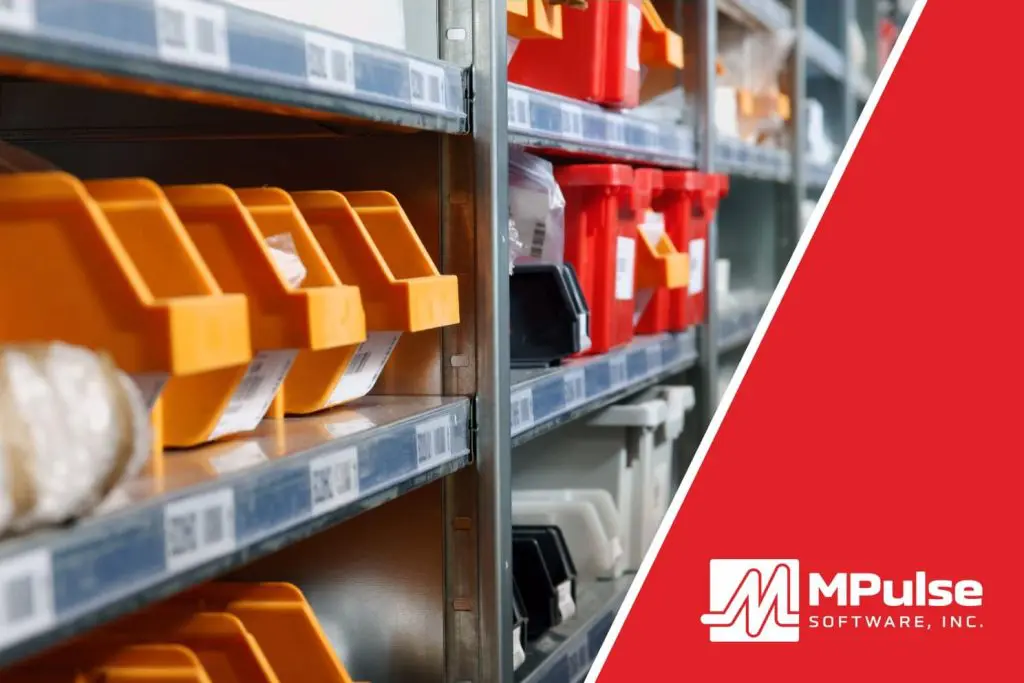
A lot of capital sits in your stockroom. Yet inventory management is consistently one of the most overlooked parts of maintenance management. Many organizations still simply order the parts they need when they need them. Maybe they even buy an extra one, which usually sits on the shelf, forgotten and unused. But, many organizations realized the importance of inventory management when COVID-19 hit in 2020. Suddenly shipping delays and limited supplies made it hard to get basic cleaning supplies, not to mention vital parts. Inventory management can help you prevent time- and money-wasting problems like running out of parts, searching for lost parts, or duplicating inventory you didn’t know you had. And CMMS can help. How Inventory Management Saves Time & Money Inventory Management can help quickly identify what you need for which piece of equipment. It helps your organization save time and money by improving tracking, stocking, ordering, and inventory processes. When an emergency arises, this information also provides critical data for making cost-efficient decisions. With CMMS software, you’ll know stocking levels, reorder points, storage locations, and supplier information with just a click. You can also track various units of measure for a single inventory item. For example, you might purchase oil by the barrel, but use it by the quart. Benefits of Using Inventory Management Software The biggest benefit of Parts and Supplies Inventory Management is controlling your cost of maintenance. Inventory Management Software gives you the ability to… Identify where parts or materials are stored, making it quicker and easier for staff members to find them and preventing duplicate orders because someone didn’t look in the right place. Enable coworkers to reserve certain parts, ensuring the right parts are available for a particular job. You can also track issue quantities for situations where you only have one part on hand when the job takes two. Control your stock based on need and availability, so the right parts are on the shelf, yet you can minimize other parts that are used less frequently. For example, if a critical part has a three-week lead time, you can adjust stocking levels to make sure it is available when your staff needs it. Track shipments, vendor performance and warranty information, including slow-moving parts to return to the vendor. That helps you control capital outlays on unused or underused parts and materials. Automate cyclical inventory counts, reducing the man hours needed and ensuring the parts or materials in the system are actually sitting on the shelf or in the parts bin. [related-content] Your organization can save time and money by improving tracking, stocking, ordering, and inventory processes. CMMS is the best tool you have for gathering, analyzing, and reporting data about your maintenance operations. Contact us to learn more.
Common Maintenance Triggers In The Healthcare Industry

The type of assets found in healthcare facilities is vast. Maintenance needs can range from facility HVAC systems and generators to medical equipment to electrical and plumbing repair to cleaning supplies. As a result, healthcare organizations need the right tools to manage maintenance for all these assets, whether it’s a critical piece of equipment or a light bulb. CMMS software for the healthcare industry can help by providing a reliable central repository for your maintenance and safety data. Here are common maintenance triggers in the healthcare industry. Preventative Maintenance Software for Healthcare Here are common maintenance triggers for healthcare organizations. Breakdowns While healthcare organizations seek to reduce breakdowns whenever possible, sometimes it’s inevitable. Healthcare organizations use a run-to-failure maintenance strategy when an item isn’t crucial, it can be repaired or replaced quickly, the failure is immediately obvious, and the parts and supplies are inexpensive. Typical examples include light bulbs in non-emergency equipment or facilities, and batteries for simple equipment like remote controls or wireless computer keyboards and/or mice. Time Triggers for maintenance based on time are common for seasonal equipment or assets that must be maintained no matter how much they have been used. Time-based triggers should give time to acquire any necessary parts and supplies, as well as to make the repair. Timed preventive maintenance is simply based on the time between PM tasks—such as days, weeks, months, etc. For example, inspections need to occur at specific time intervals to help maintenance teams spot issues before they occur. Common time triggers include items like fire alarms, elevators, and seasonal facility equipment (i.e., HVAC units). Usage Usage triggers maintenance tasks using a specific meter. You can choose meters like mileage, usage time, production volume, pressure, flow rate, etc. Over time these repairs create historical data for the asset. Then, maintenance managers can determine if repairs were successful or if they should adjust the PM schedule based on performance. For example, if an asset breaks roughly every 1,000 hours of usage time, set your trigger for 900 hours. Events Event triggers happen after specific events. For example, if it snows, the facility’s walkways, parking lots, driveways, entrances, etc., need to be clear of ice and snow for accessibility. Emergencies are also event triggers. Emergency management triggers tasks such as conducting inspections; implementing safety measures; managing resources, supplies, and personnel; gathering data for insurance purposes, etc. Condition Condition-based maintenance (CBM) keeps tabs on the actual state of your critical assets by recording the output of any meters and gauges on that asset. When an asset’s condition changes outside of specified ranges, a trigger lets you know immediately so you can react to prevent breakdowns before they happen. CBM may apply to the maintenance of high-risk medical equipment. That includes all life support equipment and any other device for which there is a risk of serious injury or death to a patient or staff member should it fail. Maintenance activities and frequencies should follow manufacturers’ instructions and recommendations for maintaining, inspecting, and testing all medical equipment. CMMS software enables healthcare organizations to manage maintenance for critical assets, while also meeting government regulations and safety requirements. Contact us to learn more.
Preventive Maintenance Program In Six Steps

Maintenance teams often work the same way they always have—answer the phone, and then fix whatever broke. This reactive system serves a purpose, but has significant consequences. When you establish and regularly perform preventive maintenance, your organization may be able to sidestep serious problems that arise as a result of neglect as well as delay more expensive maintenance. But, it can feel challenging—almost impossible—to start a proactive maintenance program while you’re putting out fires all the time. That’s where CMMS software can help. Moving from reactive to proactive maintenance can keep those phone calls at bay while making better use of the maintenance team’s time and resources. Six Steps Involved in Preventive Maintenance Take the time to set up a preventive maintenance program by following these six steps. Document Maintenance Tasks: Recording maintenance tasks, activities, repairs, and information in CMMS software is the first step when you are just starting out. You can’t measure anything until you have something to measure. Create Schedules: CMMS software will generate a schedule of PM tasks, making it simpler to follow the manufacturer’s guidelines. Maintenance intervals can be scheduled based on asset or part condition, which triggers a work order just before the point when system inefficiencies or failures begin to occur. Automate: Put your available tools to work for you. Use your CMMS software to automate the tedious stuff (data entry, email, request approval), so you can focus on more important things. Link Parts: Inventory is hard, but the first step is simple. Use CMMS to link parts with your work orders (and your assets), and you are on your way to big goals like controlling the cost of maintenance. Make Resources Easily Accessible: Don’t waste time looking for stuff. Keep the things your team needs (historical records, part information, vendor contact details, manuals, etc.) in easy-to-find places, like your CMMS database. Train. Training is the fastest way to improve your maintenance team’s efficiency and get the best return on investment (ROI). And don’t forget about training yourself as well. The payoff is far greater than the cost. Properly maintained assets perform more efficiently, use less energy, and fail less often—extending their usable life. When you use CMMS software for preventive maintenance, you’ll reduce emergency maintenance issues and unexpected production stoppages. This, in turn, cuts overtime costs for emergency repairs and reduces production losses. Preventive maintenance is cost effective and beneficial for organizations of all sizes—lowering costs, improving reliability, and helping with compliance reporting. Find out how MPulse CMMS software can help you create a preventive maintenance program. Leave a comment or contact us.
Top OSHA Violations You Should Avoid
The U.S. Department of Labor’s Occupational Safety and Health Administration (OSHA) doesn’t just protect your organization in an audit or inspection. It’s in everyone’s best interest to be proactive about your employees’ health and safety. Maintenance workers are usually very familiar with OSHA regulations because maintenance work affects the entire organization—whether it’s on a production line, a construction site, or in a building. Maintenance techs are responsible for their own safety on the job, but they also contribute to the safety of building occupants and visitors. CMMS software helps improve workplace safety and implement worker protections to reduce and eliminate hazards, thereby preventing future workplace injuries and illnesses. MPulse customers use CMMS software to comply with OSHA standards by… Documenting safety training Publishing safety data as a reminder to employees Standardizing checklists for scheduled inspections Creating a paper trail showing preventive measures Updating safety procedures Detailing emergency procedures in case of a natural disaster or other incident OSHA Violations to Avoid Proactive action provides long-term benefits when it comes to OSHA. Here are the top OSHA violations and how to avoid them. Safety Training OSHA requires organizations to record and track safety training for employees. CMMS software helps you track health and safety data and resolve potential risks before outside auditors do, such as who’s had what training. Additionally, automated alerts notify maintenance managers when certifications will expire. Documentation Inconsistent record-keeping procedures can cause OSHA citations and fines. CMMS data provides both the big picture and the little details, so your maintenance tasks are both visible and verifiable. Much of that documentation is also automated. And best of all, you can access the information in minutes, instead of spending hours or even days sorting through a paper filing system. Failure to Report OSHA requires most employers with more than 10 employees to keep a record of serious work-related injuries and illnesses. (Certain low-risk industries are exempt, and minor injuries requiring first aid only do not need to be recorded.) Employers must report any worker fatality within 8 hours and any amputation, loss of an eye, or hospitalization of a worker within 24 hours. Failure to report serious injuries is a significant OSHA violation. COVID-19 OSHA has issued temporary enforcement guidance related to the COVID-19 pandemic. COVID-19 can be a recordable illness if a worker is infected as a result of performing their work-related duties. Using CMMS software to log employee incidents properly and to maintain records in accordance with OSHA’s current standards allows you to present the solid documentation that OSHA demands. Hazards Employers must make information about the identities and hazards of chemicals available and understandable to workers. Chemical manufacturers and importers are required to evaluate the hazards of the chemicals they produce or import, and prepare labels and safety data sheets to convey the hazard information. Additionally, employers must label hazardous chemicals, provide safety data sheets for their exposed workers, and train them to handle the chemicals appropriately. Safety in the workplace requires documentation, particularly for creating procedures and recording maintenance activities. And there’s nothing better at documenting those tasks than CMMS software. When you have solid data on your side, it makes it much easier to support your maintenance team and avoid OSHA violations. Have questions? Contact us. We have answers.
Creating Reasonable Benchmarks
CMMS software does more than keep your work orders organized and your team on schedule. It also helps you answer the deeper questions like, “How do I measure effectiveness of preventive maintenance?” Creating reasonable maintenance management benchmarks help you evaluate your team’s performance. Firstly, you start by measuring your team’s metrics. Secondly, you evaluate your company’s performance by comparing your metrics and processes with those of other organizations. Maintenance Benchmarking and Best Practices Using benchmarks, you can identify best practices that drive the metrics. Start by using your CMMS data to measure your team’s current key performance indicators (KPIs) and create a baseline. Then, research your industry’s benchmarks to see how you’re performing and where you should look for improvements. You can find benchmarks from industry associations, maintenance journals, benchmark databases, and other sources. Additionally, use your professional network to find common benchmarks that your industry uses. For example, common benchmarks in manufacturing include: Planned maintenance tasks vs. total maintenance tasks Planned and scheduled maintenance as a % of hours worked Unplanned downtime Reactive maintenance tasks Maintenance overtime Work orders reworked as a percentage of total work orders Training Safety Benchmarking in Facilities Management Facilities management maintenance has its own benchmarks. Like manufacturing, you also start with your CMMS data to see where you are. Then you compare your data with similar organizations. The facility management benchmarking process can include: Space utilization Facility operating costs by type Service provider performance Overtime Occupant satisfaction Planned maintenance tasks vs. total maintenance tasks Facility condition Sustainability criteria Facility safety Environmental control Business metrics (facility cost as % of total payroll, sales, etc.) Next Steps The next step is to analyze your performance versus the top performers. Make sure you dig deeper than the numbers—because processes, workflows, and other factors can affect these KPIs. As a result, you should understand how those numbers are calculated to make sure you’re making a fair comparison. Then, based on your team’s performance and the industry standards, use your benchmarks to determine realistic KPI goals for your organization. Also, create a reasonable timeline with goal-based milestones and efficiency goals. (Check out our earlier blog series for more information about the steps involved.) Above all, it’s vital to strategize about new workflows and processes, adjustments in data collection or software, or training plans. Need more information on creating reasonable benchmarks? Contact us. We’re here to help.
What You Need to Know About Asset Management
Asset management helps your organization get the maximum value from the assets it owns. It’s common for large organizations to have a formal CMMS asset management plan. But, it’s just as important for small and medium-sized businesses. Creating a strategic plan can impact the uptime and total life of key assets. Fortunately, CMMS makes it easy. Create a CMMS Asset Management Plan Setting up your CMMS for facility and asset management helps your organization get the most out of its investments. While creating an asset management plan might sound complicated, it actually boils down to making a few proactive decisions about your MPulse data. Identify critical assets Pick the ones that would take a significant investment to replace, and the ones that most directly impacted production capacity. Capture purchase information For each critical asset, gather information on each asset’s purchase date, purchase price, startup date, and warranty expiration date. Choose the data Identify the data you want to collect, track, and report on. Let the power of CMMS do the hard work Every job entered into the work management system created a historical record that calculates the labor costs and links the cost of the parts and inventory used for the job. Benefits of CMMS Asset Management The advantages of asset management really come into play when it’s time to make important decisions. One of the most frequent is the classic, “Do we repair it or replace it?” question. Using your CMMS data, you can determine… What was the purchase price of the asset? When did we acquire it? How much has it cost to maintain it, especially in the past year? How much downtime is the asset experiencing lately? With a little more information about operations, you can also calculate the opportunity cost due to downtime. Comparing that to the estimated cost (and potential added productivity) of a new asset would give you the answer. Additionally, you’ll have the data to back it up. If you’re thinking in terms of maximum uptime and total lifecycle cost, you’ll move beyond using your CMMS as a simple work order tracker and PM scheduler. CMMS can help you create a wealth of asset information—helping your organization make more informed decisions, and potentially saving it a lot of money. Contact us for more information on facility maintenance and asset management software. We’re here to help.
Build a Strong Team Using CMMS

Team building strategies in the workplace are overlooked or underemphasized in the maintenance department. But, that’s a mistake. With MPulse Software, it’s much easier to build a strong team using CMMS. Maintenance may look like a solitary job. But your technicians work with other team members, vendors, and almost every department in an organization at one time or another. Building a strong team and encouraging working relationships between maintenance and other personnel benefits everyone. And that includes the organization as a whole. While you can find many team building strategies for the workplace, the maintenance department has some unique issues to consider. Below are the team building tools you need. Team Building Strategies in the Workplace Communication CMMS software makes communication between team members, internal departments, and outside vendors much easier. MPulse tools that promote communication include service requesting, PM scheduling, and automatic notification features. For example, MPulse can quickly route requests to the appropriate people for review and approval, based on predetermined criteria. That enables your team to respond faster. Plus, the requester to get the status of the work order at any time, eliminating tedious emails and/or phone calls. Technology Some “old school” industrial employers are still wary of mobile technology. But mobile devices are an excellent way to improve communication. And that’s the foundation of any maintenance team. Many organizations have discovered mobile technology is a natural fit with maintenance workflows—and mobile CMMS, specifically. It allows maintainers to access information and record data on the spot—where maintenance happens, instead of in a plant or building office. Recognition Improving the relationship between other departments and maintenance starts with mutual respect and communication. You can help by ensuring all parties understand each person’s role and appreciate the benefits they bring to the organization. Make sure the people in positions of power understand what your maintenance program does and the value you bring to the organization. Share your projects, goals, accomplishments, and results for both the department and for your team members. Training Part of investing in your maintenance team is making sure they have the right training to do their jobs. Professional development as an investment in the future of the entire organization. It pays big dividends in the long run. While budget may limit formal training, think outside the box. Create a professional growth/training program for your maintenance staff. Ask them to share their experience with other team members, like an in-house apprentice program. Reward strong work performance with additional opportunities for education. What’s your strategy for building a strong team using CMMS? Leave a comment below or contact us.