
Equipment Maintenance History: What to Record and How to Use It
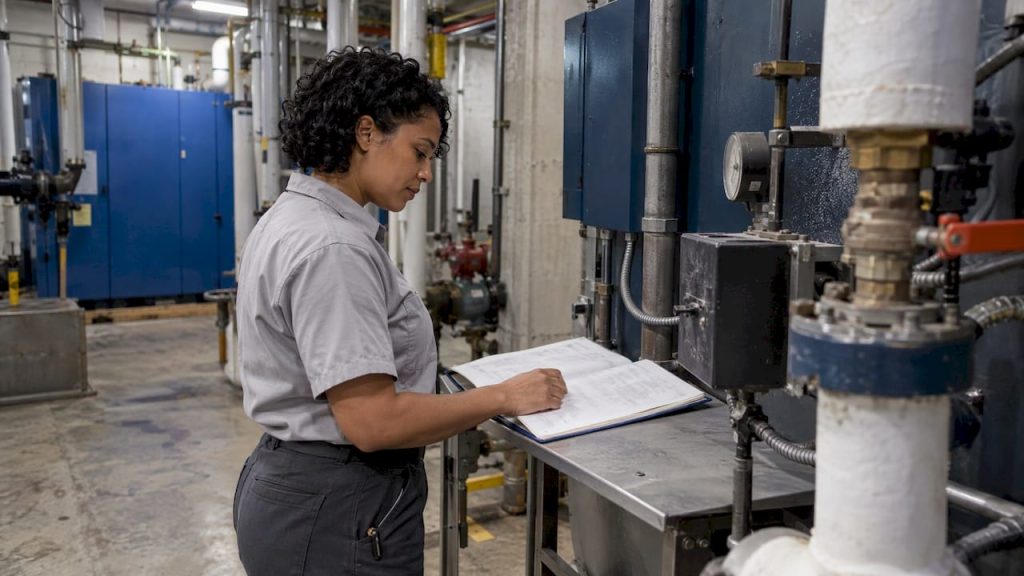
Learn what an equipment maintenance history should contain, how long to keep it, and how to turn past work orders into fewer breakdowns and smarter repair decisions.
CMMS ROI Calculation: Formula, Costs and a Worked Example

Calculate CMMS ROI with a simple formula, the costs to include, the savings you can count and a worked example with payback period, plus how to track results.
Lockout Tagout Documentation: What OSHA Requires You to Keep

Which lockout tagout documents OSHA requires, what each machine-specific procedure must contain, and how long to keep inspection and training records.
Work Order Priorities: Levels, Codes and a Simple Matrix

Set work order priority levels, codes and response targets your team can apply the same way every time, with real examples from US facilities and a scoring matrix.
Maintenance Benchmarking Metrics: What to Track and How to Compare

Which maintenance metrics to benchmark, how to calculate them, how to pick fair peers, and what a maintenance dashboard should show to cut downtime and cost.
Asset Condition Scoring: How to Build a Scale That Drives Maintenance
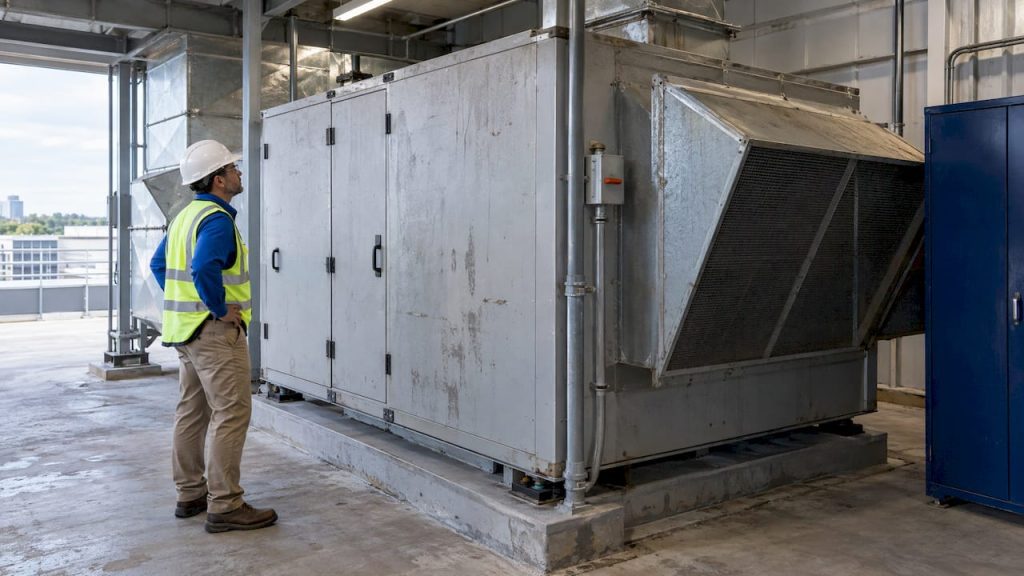
Learn how asset condition scoring works: build a rating scale, combine inspection data into a health index, add criticality, and turn scores into work orders.
Predictive Maintenance AI: How It Works and How to Start
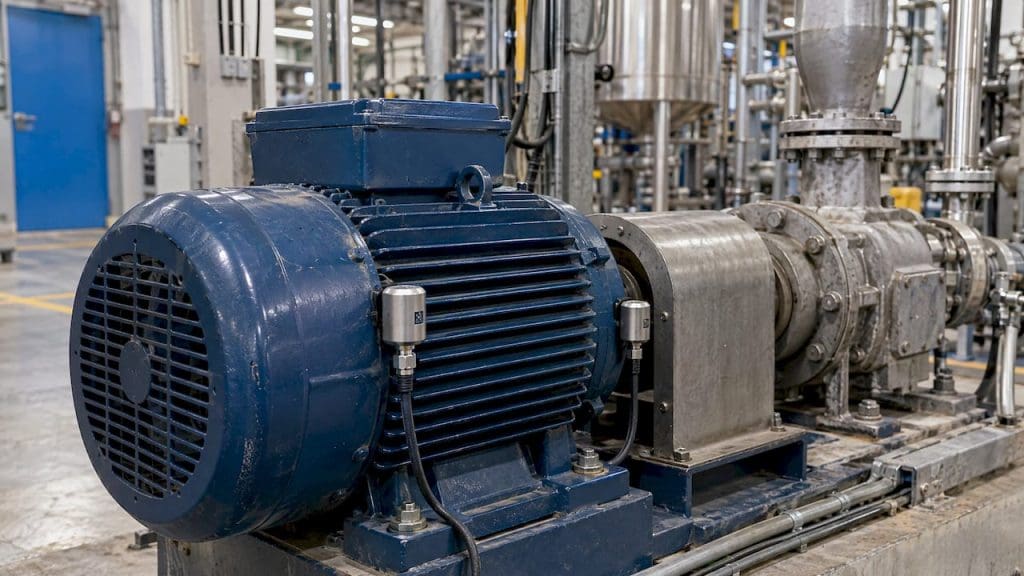
Predictive maintenance AI explained: how machine learning forecasts equipment failures, which algorithms fit which job, what data you need and how to start.
Purchase Order vs Work Order: What Sets Them Apart

A purchase order buys from a supplier. A work order directs a job. Learn how they differ, which comes first, and how to link them to control maintenance costs.
MTBF Calculation: Formula, Worked Examples and Pitfalls
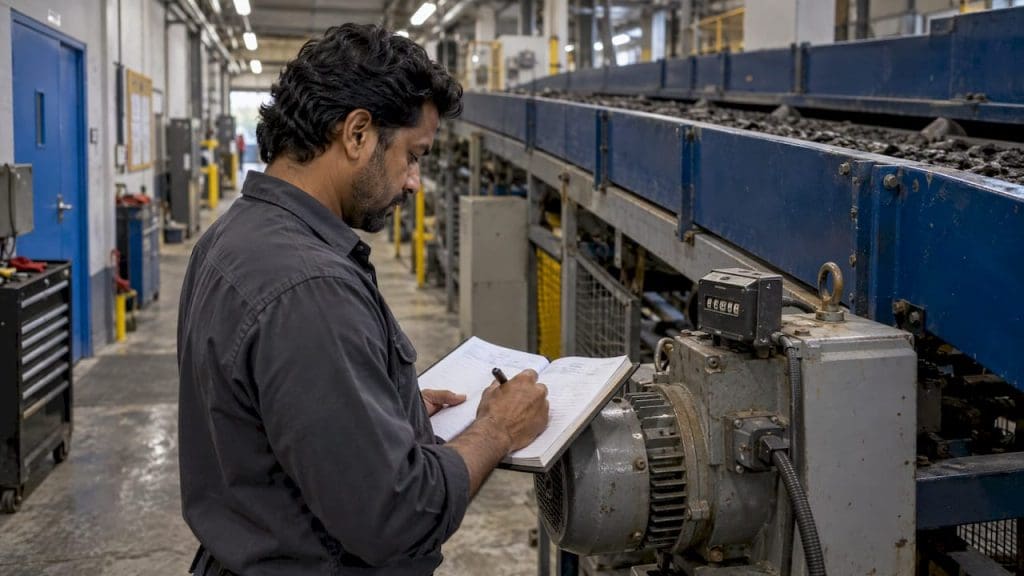
Learn how to calculate MTBF step by step: the formula, what counts as operating time and a failure, worked examples, and the mistakes that skew the result.
MTBF vs MTTR: Differences, Formulas and How to Use Both

MTBF vs MTTR explained: what each metric measures, how to calculate them with worked examples, what a good MTTR looks like and how to track both.