
Predictive maintenance (PdM) sounds like a maintenance manager’s dream. Want to know when your equipment starts to break down and fix it before it actually fails? Sign us up.
Predictive maintenance is gaining more attention as organizations want sensors on key assets and use the power of the Internet of Things (IoT) to collect the data to feed into their CMMS software. CMMS combined with IoT is an excellent way to help maintenance teams to foresee asset failure and proactively perform maintenance.
But predictive maintenance isn’t for everyone. Here are three predictive maintenance challenges to consider before you make the move.
Top Obstacles to Overcome when Implementing Predictive Maintenance
Expense and ROI
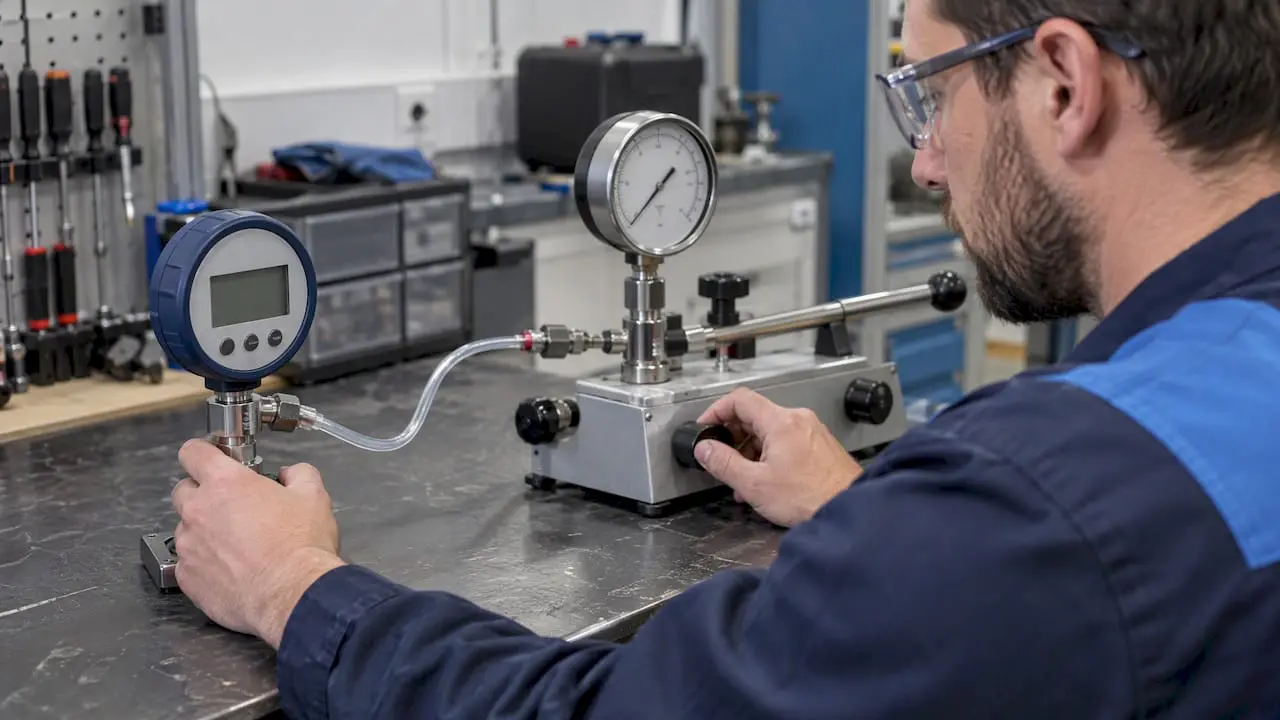
One of the biggest problems with predictive maintenance—and the top obstacle to implementing it—is the cost. Predictive maintenance requires a combination of gauges, meters, or other measurement techniques like infrared thermography, vibration analysis, or lubrication analysis. Plus, you need to store the data in CMMS. All those things cost money.
Like any business investment, you need to calculate the return on investment (ROI) to determine if the cost will pay off in the long run.
Technical Knowledge
When real-time data is added to the CMMS software, either remotely or manually, its true potential is realized. But that requires some technical knowledge to use it correctly.
With CMMS software, you can capture, store, and organize data for reports and predictive analytical tools. You’ll get alarms and alerts for current conditions that indicate future problems, enabling you to take action before the equipment breaks. Additionally, the real-time data is logged in the CMMS system with the rest of the maintenance data, putting it in context, and giving you much more powerful information about your assets.
This information increases in value over time because prior failure patterns can predict future failure patterns. But all the data in the world doesn’t do you any good if you don’t, or can’t, make it work for you.
Time
If there’s one thing that’s in short supply around the maintenance department, it’s time. Implementing predictive maintenance requires time to research solutions, convince management, overcome concerns and obstacles, buy equipment, set it up, test it, train employees, and much more. Again, if the ROI doesn’t pencil out, predictive maintenance isn’t for you.
Are any of these problems with predictive maintenance preventing you from moving forward? That’s okay. A solid preventive maintenance program may be enough for you.
If these don’t apply, however, learn more about how MPulse can help you. Contact us.