
Should You Purchase or Subscribe to CMMS Software?

Typically, there are two ways to purchase CMMS software. You can subscribe annually or own the software outright. CMMS subscription pricing is also known as Software as a Service, or “SaaS.” When you opt for SaaS, you’re renting the software for a monthly or yearly fee. Or, you can choose to purchase a license to use the software (in practical terms, forever) for a one-time fee. Subscription vs. License for CMMS So, what are the advantages of a software subscription vs. a license? Let’s find out. CMMS Software Subscription When you opt for a SaaS subscription, you’re choosing to rent software for a specified period of time instead of buying a license to use it indefinitely. If you fail to renew your subscription, the software stops working. Advantages of SaaS Easier on cash flow up front and over the first 2-3 years May be able to purchase it without a formal procurement process (i.e., you’re just signing up for a service) You can try the product and the vendor without fully committing Disadvantages of SaaS Higher total cost over the long term Vulnerability to price increases You never own the software Stop paying and you lose access CMMS Licensed Purchase You’re probably more familiar with the licensed purchase option as the traditional way to buy software. You buy your CMMS licenses once and can use them indefinitely until it’s time to upgrade or replace the software. Advantages of Licensed Purchase Less expensive over the long run than the never-ending subscription. Usually it’s a 2-3 year break even vs. SaaS CMMS pricing. You own it. If your company’s budget gets tight one year and you don’t get your yearly allotment, you will still be able to use your software because you own the software license. Disadvantage of Licensed Purchase Higher upfront CMMS software costs Other Important Considerations Typically, you can also purchase or renew a yearly maintenance agreement with either option that includes software updates, tech support, hosting services, and access to training. [related-content] If you’re leaning toward an SaaS model, ask vendors if you can switch to a license purchase model if your situation changes. Also, make sure the method you choose works with your plans to host the application either in the cloud or locally. (Learn more about your deployment options and cloud-based CMMS software pricing.) CMMS system pricing can vary widely. Here at MPulse, we believe every customer should have an option that works for their situation. We also can help with financing options. If you’re looking for a way to purchase CMMS software outright, take a look at our new MPulse 0% Finance Program. Still have questions? Contact us. We’re here to help.
CMMS for Medical Equipment Management
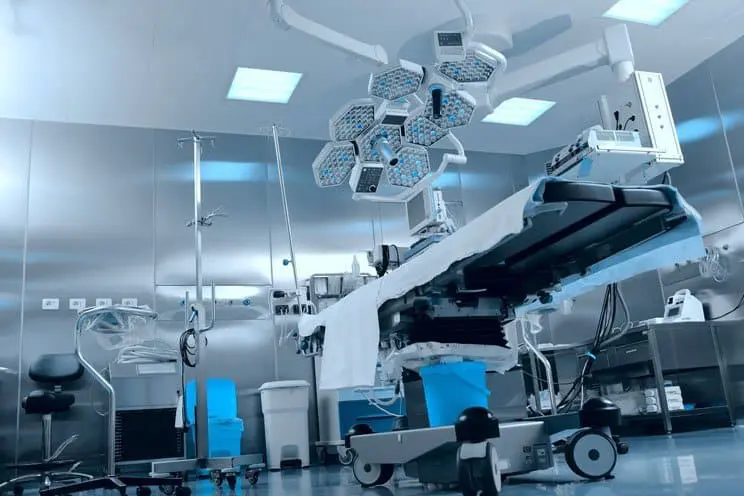
Healthcare CMMS software enables organizations to manage maintenance for critical assets, while also meeting government regulations and safety requirements. The type of equipment found in healthcare facilities is vast. For example, medical equipment maintenance needs can range from facility HVAC systems and generators to medical equipment to electrical and plumbing repair to cleaning supplies. Healthcare maintenance management systems provide the right tools to manage maintenance for all these assets, whether it’s a critical part or a light bulb. It provides a reliable central repository for your maintenance and safety data. Healthcare CMMS Software CMMS software and maintenance information systems for healthcare excel at tracking the details of your increasingly complex healthcare operations. Phelps County Regional Medical Center (PCRMC) experienced this firsthand. The organization’s old maintenance system was overwhelmed by requests, as well as difficult to navigate. With an average of over 500 work orders per month, PCRMC had to find a better way. Their priorities were… User friendly and adaptable interface Ability to handle a large work volume Paperless work orders and reports Simple ways to prioritize work orders Easy preventive maintenance scheduling tools To improve their maintenance management, PCRMC implemented MPulse. In addition to improving their workflow, the department has experienced numerous benefits. Asset History MPulse helped PCRMC better manage assets, reducing time spent managing and tracking assets by 20%. Historical asset data also improved budgeting and tracking expenses. Vehicle Expenses PCRMC uses MPulse to track vehicle expenses, as well as vehicle replacement projections. The organization spends about 10% less time on long-range budget planning with the information MPulse provides. Key and Lock Control PCRMC customized MPulse’s Key and Lock Management module to meet the organization’s specific needs. As a result, administrators now can quickly identify the areas a specific employee can access. Traceable Information Using CMMS for Medical Equipment Management MPulse meets the needs of hospitals and healthcare organizations of all sizes. We provide affordable solutions and exceptional customer support to help companies with the complex maintenance requirements in all healthcare-related industries—including hospitals, medical offices, pharmaceutical companies, medical device manufacturers, biotech developers, and more. With MPulse, you’ll also have a traceable history of completed maintenance tasks and documented policies to prove you’re acting in accordance with industry regulations. And the best thing is, this documentation takes care of itself, so you can focus on other important things—like maintenance. Learn how MPulse can help your maintenance team promote and maintain compliance, while also reducing emergency maintenance issues and unexpected downtime. Contact us for more information. We’re here for you.
How CMMS Software Can Help You Meet OSHA Requirements

Maintenance workers are usually very familiar with Occupational Safety and Health Administration (OSHA) regulations because maintenance work affects the entire organization—whether it’s on a production line, a construction site, or in a building. And while maintenance techs are responsible for their own safety on the job, they also contribute to the safety of building occupants and visitors. That’s a lot of responsibility. Safety in the workplace requires documentation, particularly for creating procedures and recording maintenance activities. The only way to prepare for the prospect of random inspections is with a proactive safety initiative supported by consistent documentation. And there’s nothing better at documenting those tasks than CMMS software. OSHA Maintenance Requirements Inconsistent record-keeping procedures are a common cause of OSHA citations and fines. CMMS data provides both the big picture and the little details, so your maintenance tasks are both visible and verifiable. And best of all, you can access the information in minutes, instead of spending hours or even days sorting through a paper filing system. Our customers use MPulse CMMS software to… Update safety procedures Document safety training Publish safety data as a reminder to employees Standardize checklists for scheduled inspections Create a paper trail showing preventive measures Detail emergency procedures in case of a natural disaster or other incidents And best of all, much of that documentation is automated. Once it’s set up, your maintenance team is ready to go. Your maintenance technicians have custom checklists, resources like repair and preventative maintenance manuals, asset history, and safety procedures right there with the work order. Health & Safety OSHA maintenance safety is not just about protecting your organization in an audit or inspection. It’s in everyone’s best interest to be proactive about your employees’ health and safety. CMMS helps maintenance teams stay organized and in compliance by… Tracking employee health and safety information Documenting work procedures to make sure they are being followed Keeping equipment safe and reliable Ensuring all safety inspections and tests are done properly and on schedule Determining when it’s time to repair or replace malfunctioning equipment Documenting preventive maintenance on key assets Creating reports for audits Archiving work history Storing employee training and certifications Tracking incidents Related Article: Top OSHA Violations You Should Avoid in 2021 You can use CMMS software to track healthy and safety data and resolve potential risks before outside auditors do. And that means your CMMS documentation can save your organization a lot of time, money, and worry. How does your organization use CMMS software to meet OSHA maintenance requirements? Contact us today to learn more about how MPulse Software can assist with OSHA safety regulations for maintenance workers. Or get for a free trial!
Five Reasons You Need a Barcode Scanner

A barcode scanner is one of the simplest, yet overlooked, methods for data input and gathering. Maintenance professionals are sometimes surprised at how many uses for a barcode reader fit easily with their workflows. How a Barcode Scanner Works Barcodes are everywhere. Barcode scanner system software reads the black and white patterns, and then translates it into data. That data can be almost anything: stock management, inventory and parts, assets, time calculations, and much more. This data is then retrieved via a computer database, like CMMS software. Why You Need a Barcode Scanner Barcodes have been around for decades because they are so useful. Here are five reasons you need a barcode scanner. Easy to use. Your CMMS software can print barcodes that are easily read by commonly available devices—including smartphones, tablets, and barcode scanners. You also can attach them to just about any surface. Then, your maintenance team scans a barcode to record or find data in your CMMS software. Variety of uses. You can use barcodes for any type of data collection. One of the most frequent is inventory or stock management. But your team can use barcodes for outgoing shipments, repair times, equipment, and much more. Easy to implement. You need a printer, software, and a scanner. Then it takes just minutes to train employees how to use them. Plus, barcode scanners easily transmit data wirelessly, so it’s ready immediately. Eliminates human error. Barcodes significantly reduce human error by removing data input mistakes. With accurate and easily accessible data, you’ll have the information you need to make the right decisions. Saves time. Scanning a barcode takes seconds. Scan the part. Scan the asset. That’s how long it takes to link inventory to a new or existing work order record. This system also lets you enter inventory items as they arrive and automatically track who is performing work. MPulse customers use our CMMS software and barcodes for a variety of things—from tracking employee time to managing the check in/check out process of tools, keys, and vehicles. [related-content] Maintenance data is one of your most important assets. It helps you see your maintenance operations in a new light. You’ll also understand what’s working, and what needs more attention. How could you benefit from barcode scanning? Leave a comment or contact us.
What to Expect from Instructor-Led Training & Recorded Training

Instructor-led training and recording training are two of the most affordable CMMS training options. As a result, you can get virtual training you need at a price that meets your budget. What to Expect from Instructor-Led CMMS Training Instructor-led training includes live, interactive online sessions designed to help users get quickly up to speed. It also provides basic instruction on skills necessary to successfully navigate, configure, and use your software. For example, MPulse Fundamentals focuses on the core functionality of MPulse, its application to data, and maintenance management concepts. This one-day course includes six, one-hour sessions, plus attendees can ask direct questions at the end of each day. Benefits of Instructor-Led Training: Live, virtual classroom environment Focused instruction away from day-to-day operational demands Highly interactive Real-world scenario discussions Small class size No travel costs Great value To get the most out of instructor-led training, make sure your key users are available on training days. Make sure they can focus on training, and limit potential interruptions. What to Expect from Recorded CMMS Training Recording training uses a one-to-many setup that allows you to train teams small and large, regardless of location. It’s also the most flexible and affordable option. Benefits of Recorded Training: Easier to accommodate large groups and different scheduling needs. Limited time commitment Very affordable No travel However, because recorded training is offered on-demand, you’ll need to contact software support to ask specific questions. Training is the secret to CMMS success. But which training is right for you? Above all, it depends on your organization’s goals, schedule, and budget. Check out our other article about the pros and cons of instructor-led and recorded training and how to choose the right one for you. MPulse bundles our training and implementation options to serve a wide range of experience levels, asset inventories, and operational models. Whether you’ve got an experienced team spread across numerous locations or a small maintenance operation with a few employees, MPulse has a program for you. Contact us for more information. We’re here to help you achieve CMMS success.
What to Expect from On-Site CMMS Software Training

On-site training for CMMS software is one of the most popular options. While it’s on the higher end of the budget, CMMS training offers significant benefits to balance out that cost to benefit ratio. What to Expect from On-Site CMMS Software Training With on-site CMMS software training, an experienced field trainer visits your location. It’s designed to cover specifics to get your users up and running. As a result, on-site education minimizes disruptions and helps you achieve a faster return on investment. Benefits of In-Person Training Include: Individual attention to meet your unique needs Stakeholders receive hands-on instruction Simulates real scenarios using your own data Ensures your key players are up and running Minimal disruptions To get the most out of on-site training, make sure your key users are available on those scheduled days. For example, MPulse’s Assured Implementation Program (AIP) gets you through planning, data migration, installation, training, and “go-live” day in five days. Make sure your team is available that week, and by the time your trainer leaves, you’re up and running. Why Training Pays Off Now let’s crunch some numbers. MPulse typically saves companies 10-15% of their pre-implementation total annual maintenance expenditures in the first 1-2 years, and a similar or greater amount every year after—if properly implemented and used. So if a company spends $200,000 per year on maintenance and repairs, they can save $20,000 to $30,000 the first year. For a company that spends $500,000 per year, they save $50,000 to $75,000 the first year. So, let’s say you buy MPulse for $10,000, and then invest another $6,000 in on-site training. Your key team members spend a week with an MPulse trainer setting up the system and learning to use it correctly in your shop. Because you invested the time and resources from the beginning, you’ll likely reap the full estimated savings from his new CMMS system, about $30,000 in the first year. Software: -$10,000 Training: -$6,000 Efficiency Savings: +$30,000 Net Gain: +$14,000 Investing in CMMS software without training is penny-wise and pound-foolish. CMMS training directly impacts your CMMS success—and your bottom line. It’s the real secret to CMMS success. Now, of course, not all training is created equal. Here at MPulse, we offer a wide variety of options, so it’s important to pick the right one for your organization. Learn about Angie’s success as an on-site trainer for MPulse. Have questions? We have answers. Contact us. We’re here for you.
Is Your CMMS Software Up to Date?
Outdated CMMS software can cause technical glitches that you don’t have time for. That’s why making sure your CMMS software is up to date is worth the effort. Software is continuously updated with new features and fixes, which can make your team more productive and efficient. Ignore updates for too long, and you can run into problems. Why Keep Your CMMS Software Up to Date Keeping your CMMS software up to date can help things run more smoothly. Here’s how… Whether it’s a larger staff, better internal efficiency, or better integration, your CMMS software should allow for growth in the areas you need it most. Software updates ensure you’re ready to make changes when you need to. Most CMMS software can help reduce operational costs by using detailed tracking tools for financial and business metrics. Some even offer cost center budgeting tools. Make sure you have the latest and greatest version. Time is money, so you’ll save with updated, user-friendly CMMS that makes it easier to learn and work with the software. And, you might find your employees in a better mood. Modern CMMS software provides rich mobile functionality on most devices. This means better accessibility for your team, which can save time and money. Security controls change constantly. Keep your CMMS updated to ensure the right people—and only the right people—have access to the right information. Updates can include enhanced features that improve communication with your service requesters, such as automated emails as your team completes repairs. Preventative maintenance (PM) scheduling keeps your assets working and prevents expensive downtime. Software updates will make scheduling easier and help you avoid costly failures. Make it Easy with Automated Updates The easiest way to keep your CMMS updated is making it automatic. A subscription to the MPulse Maintenance and Support Program (MSP) gives you the latest tools, free training, and software updates to keep your MPulse Software optimized, and your organization on track to reach its CMMS goals. The MPulse MSP is an annual subscription service that provides continued support, training, and updates. As a program subscriber, you’ll have exclusive access to… Timely, automated software updates New software versions as they’re released Free assistance with software installation Maintenance professionals need the right tool for the job. And in today’s maintenance environment, the right tool is CMMS maintenance software. Contact us to learn more.
Be Smart About CMMS Data Migration

Data migration may sound simple, but it’s often one of the biggest hang-ups when upgrading or installing new CMMS software. Your maintenance data is your most important asset, so now is the time to get it right. Migration Checklist Use this checklist to make your data migration a success. ▢ Understand What Your Organization Needs: You’re not the only one who needs information from your maintenance data. As a result, you’ll need to understand your organization’s needs. Communicate with key stakeholders, from IT to Finance to Compliance departments. ▢ Export Current Data: Older software was not designed to get data out easily. However, more current programs can export data in various file types, typically a CSV file. Often you can do this task yourself or enlist the help of a power user or an internal IT specialist. But if that’s not the case, hire some help. ▢ Decide What to Keep: If you’ve decided to migrate to new software, it’s usually because key needs aren’t being met by your current system. Now is the time to make decisions about what you really need to keep. Or, another alternative is to simply start fresh. Your legacy data and old work orders can remain where they are for historical reference, and you simply add assets, parts, and preventive maintenance schedules to the new system. ▢ Map Out the Fields: Data fields aren’t necessarily the same from one system to another. So you need to map field names, sizes, and types from one system to the other. We recommend using your vendor’s services to help with this process. They know their software best. Use them. ▢ Clean Up Your Old Data: Don’t underestimate the time it takes for data clean up. You may do this step before mapping fields, but sometimes customers need to see what the data looks like in the new system before they find issues. Look closely to find outdated information, incorrectly formatted data, or missing data. Clean data pays off in accurate reporting later. ▢ Import and Test: Once your data is complete and clean, your CMMS software vendor will import it into your software. Next, run some tests to make sure the right data is in the right place before “go live” day. Verify if all field names are correct; the correct data is in the correct fields; assets lists are complete; parts and inventory lists are complete; scheduled tasks have transferred correctly; and key historical data is available. Here again, your vendor can help. MPulse Can Help with Data Migration Be smart about your CMMS data migration. MPulse can help. Make the most of our experience and knowledgeable staff. We’re not just a software vendor. We’re your partner in CMMS success. Have questions? Call us. We’re here for you. [related-content]
How To Build A Culture of Collaboration

The maintenance department is in the unique position of interacting with most, if not all, other departments. As a result, it pays to develop a culture of collaboration. It makes your team’s job easier, which also makes your job easier. What’s a Culture of Collaboration? Building a culture of collaboration means your employees communicate and work together across functional and departmental lines. It’s not just management speak, however. High-performing organizations often find a collaborative company culture plays a huge role in everything from employee retention to productivity. Creating a culture of collaboration also enables your organization to benefit from your team’s knowledge. Maintenance techs are often a great resource to identify ways to do things better or make things safer. That’s because their hands-on experience with your assets gives them insight into what’s working well—and what’s not. What Can I Do to Encourage Collaboration? Contrary to popular belief, improving collaboration doesn’t have to take a lot of time. You can develop better working relationships by just spending a few minutes each day making sure people feel heard and valued. Here are six ways to encourage collaboration… Invest in technology that makes collaboration easy. Use your CMMS software to improve communication. For instance, automated updates and notifications make sure everyone is on the same page. Prioritize teamwork. Your workplace culture starts at the top, so managers should lead by example with sincere efforts. Asking for employee feedback and ideas should be your first step. Build relationships between team members. Employees who have strong working relationships with coworkers are more likely to take on new challenges. For example, team building and off-site meetings are two great places to start. Make time for face-to-face communication when possible. Talk to people in person when possible, and encourage your team to do the same. Sometimes contextual messages get lost in digital communication. Schedule casual check-ins. Take the time to casually chat with all team members to get informal feedback and information. Celebrate achievements. Often the maintenance department doesn’t get a lot of credit for their contributions. As a result, make sure everyone knows how your team impacts the whole organization. Maintenance teams aren’t short of ideas on ways to improve things, particularly as it often directly affects their workload. Above all, make the most of their knowledge. What are you doing to create a culture of collaboration? Leave a comment or contact us, because we all can learn from each other. [related-content]
Is Your Hosting Secure? Seven Questions to Ask

Is your hosting secure? Maintenance operations deal with sensitive information, and you want to make sure it’s safe. But, you don’t have to be a software security expert. Here’s what you should know. Cloud vs. On-Premise Cloud-based CMMS software (sometimes called web-based CMMS software) is hosted by the vendor and accessible via any device with an Internet connection. On-premise software (sometimes called client-server software) requires you to host the software on your own server and use your own network and hardware. It’s also called locally hosted software. While your IT team typically takes on the responsibility of security for on-premise software, it’s still handy to know some of the key security issues that can arise. Questions to Ask Where is our data stored? It’s important to know where your data is stored, whether it’s on-premise or cloud-based. This is vital information should things go wrong. It’s also important should there be a physical problem—such as a fire or emergency that affects the server. How do you prevent hacking or unauthorized access? Most maintenance operations deal with sensitive information. Your hosting company or IT department should be able to offer simple explanations on how they prevent hacking or unauthorized access. How often do you back up the data? Data backups can range from instantaneous to set schedules (hours, days, and even weeks). Ask how often your data gets backed up. No one wants to reenter days or weeks’ worth of data if things go wrong. What are the steps involved if we need a data restore? Bad things happen, and sometimes you need your data restored. Find out how that works beforehand, so you know what to do. What’s the uptime? Hosting uptime refers to the amount of time the server is up and running. Most cloud-based hosting companies have systems in place that offer a high uptime, sometimes even 100%, so your data is always accessible. How flexible are your services? Things change, so ask how you’d add new users or more storage space when the time comes. It’s also good to understand what you need to do if you want to upgrade your hosting or if you need advanced features later on. Who do I call with questions or problems? Maintenance professionals know it’s vital to have the right contact information when things go wrong. Ask about customer service and support. These seven questions will help you make sure your CMMS software is up and available when you need it. Because, let’s be honest, you’ve got enough on your plate. Contact us to learn more about secure hosting options. [related-content]